
What Started as a Prison Story Turned Into 6ix9ine Calling Out Fake Converts in Hip Hop
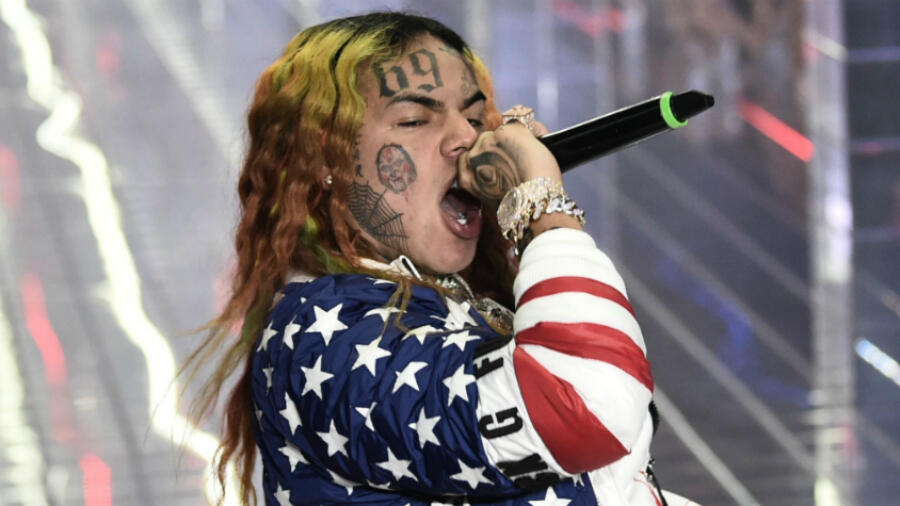
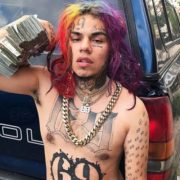
Hip hop has never shied away from controversial conversations, but religion is one topic that often sits at the center of intense debate. That tension resurfaced recently when 6ix9ine sparked widespread discussion after sharing a prison related story that quickly evolved into accusations aimed at fellow rappers. What began as commentary about personal experiences behind bars soon turned into a heated debate about faith authenticity and whether religion is sometimes used for image or convenience in the music industry.
As clips from his livestream spread across social media, fans and commentators weighed in, turning the moment into one of the most talked about religious debates in hip hop right now.
How a Prison Story Sparked a Bigger Conversation
The moment began when 6ix9ine referenced conversations and experiences he claims to have witnessed during his time connected to the prison system. According to him, prison environments often expose people to religion during moments of vulnerability, reflection, or fear. While acknowledging that many individuals find genuine faith during incarceration, he questioned whether that same sincerity always carries over once artists return to public life.
What started as storytelling quickly shifted into criticism as he suggested that some public figures adopt religious identities only when it benefits their image or career.
Calling Out What He Sees as Fake Conversions
During the livestream, 6ix9ine directly accused certain rappers of converting to Islam for reasons unrelated to genuine belief. He claimed that some artists embrace faith at strategic moments, especially when facing legal trouble, public backlash, or industry pressure.
While he did not accuse every convert of insincerity, he emphasized that real faith should come from internal conviction rather than timing or optics. According to him, belief should not be treated as a shield or branding tool.
Lil Durk and the Industry Reaction
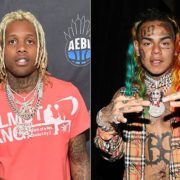
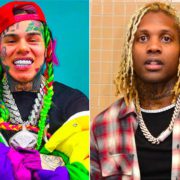
Although 6ix9ine did not name many artists explicitly, fans quickly linked his comments to Lil Durk and others who have spoken openly about Islam and spiritual growth. This connection intensified the debate, as supporters of those artists defended their faith journeys, calling the accusations disrespectful and uninformed.
Others argued that questioning religious sincerity crosses a line, especially when faith is deeply personal. The lack of direct response from the artists involved only fueled speculation and allowed the debate to grow organically online.
Social Media Erupts With Mixed Reactions
As clips of the livestream circulated, reactions across Instagram, YouTube, and X were sharply divided. Some fans agreed with 6ix9ine, arguing that religion can be misused in any industry and that calling out performative behavior is necessary. They praised him for speaking bluntly about a topic others avoid.
On the other side, many criticized him for questioning people’s faith at all. They argued that spiritual journeys are complex and that no outsider has the right to judge belief based on timing or circumstances.
Faith, Image, and Survival in Hip Hop
Religion has long played a role in hip hop culture, from expressions of spirituality to discussions about redemption and survival. For many artists, faith becomes a source of strength during difficult periods, including legal trouble or incarceration.
The controversy sparked by 6ix9ine raises broader questions about how belief is perceived in a public industry. When faith intersects with fame, money, and scrutiny, sincerity is often questioned even when intentions are genuine.
Why Timing Became the Central Issue
One of the strongest points raised during the debate was timing. 6ix9ine argued that sudden religious declarations often align too closely with moments of crisis to be ignored. He suggested that while hardship can lead to real spiritual awakening, repeated patterns across the industry raise legitimate questions.
Critics pushed back, noting that hardship has historically been the catalyst for personal growth, reflection, and belief for countless individuals, both famous and unknown.
The Risk of Public Faith Conversations
Public discussions about religion are always sensitive, and this situation highlighted just how volatile they can be. When artists speak openly about belief, they expose themselves to scrutiny from fans, critics, and peers alike.
For 6ix9ine, the backlash was immediate. Some accused him of disrespecting Islam, while others said he was intentionally stirring controversy to stay relevant. Regardless of intent, the conversation moved far beyond a simple livestream rant.
Religion as Identity Versus Protection
A recurring theme in the discussion was whether religion is being used as identity or protection. 6ix9ine suggested that some artists lean on religious labels to gain sympathy, credibility, or insulation from criticism.
Opponents argued that this view oversimplifies faith and ignores the internal struggles that often accompany belief. They emphasized that no one can measure sincerity from the outside.
The Bigger Picture in Modern Hip Hop
This debate reflects a larger shift in how hip hop handles personal topics. Artists are more open than ever about spirituality, mental health, and personal growth. At the same time, audiences are more skeptical and quick to question motives.
The comments made by 6ix9ine tap into that tension, highlighting the thin line between calling out perceived hypocrisy and disrespecting deeply held beliefs.
Final Thoughts
What started as a prison related story quickly became one of the most polarizing religion debates in hip hop this year. Whether 6ix9ine was raising a valid concern or crossing a boundary depends largely on personal perspective.
What is clear is that faith, when discussed publicly, invites intense scrutiny. In an industry built on image and influence, even the most personal beliefs are subject to debate.
As hip hop continues to evolve, conversations like this reveal how complex identity, belief, and authenticity have become in the spotlight.
Do you think questioning religious conversions in hip hop is fair criticism or unnecessary controversy? Share your thoughts in the comments and follow The Urban Spotlight for more real time culture updates.
👉 Stay connected with the latest updates on this story and more hip-hop news at The Urban Spotlight Homepage.




Leave a Reply
Want to join the discussion?Feel free to contribute!