
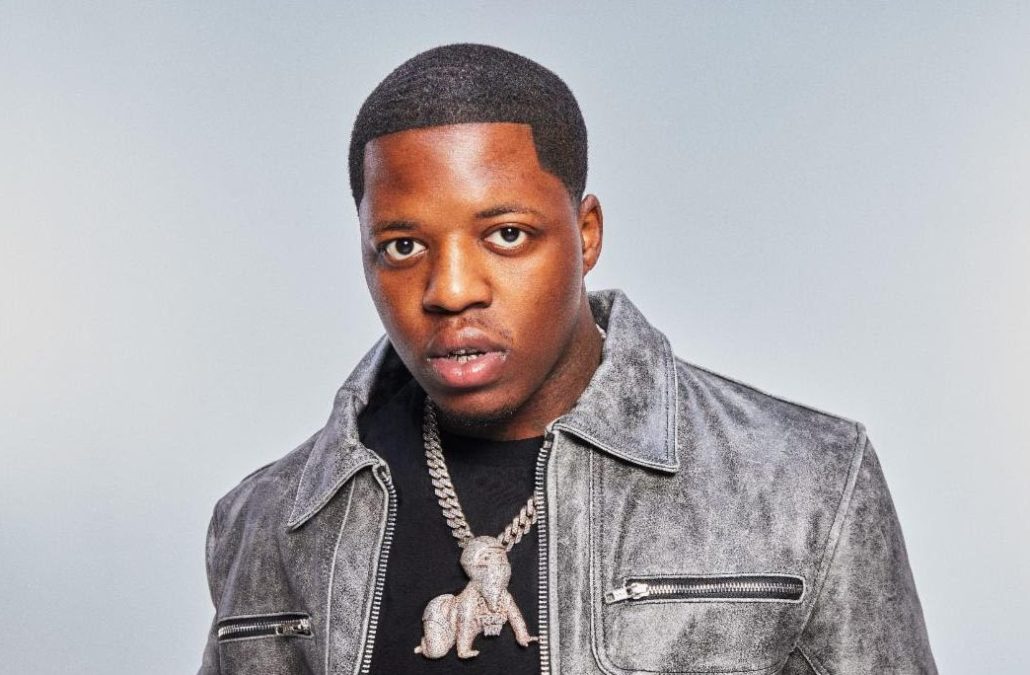
Lil Zay Osama Shares Shocking Prison Stories: Diddy’s Jail Drama and GD Confrontation
Rapper Lil Zay Osama has just dropped a series of jaw-dropping prison stories that shed light on the chaos, politics, and high-stakes reality of federal lockup. From being in the same facility as Sean “Diddy” Combs to nearly clashing with the Gangster Disciples (GD) over controversial lyrics, Zay’s experiences are as wild as they are dangerous.
His revelations, made during a candid discussion, give fans an unfiltered look at the Metropolitan Detention Center (MDC) in Brooklyn — a federal prison known for housing high-profile inmates and carrying an intense reputation.

Locked Up With Diddy — But at a Distance
Lil Zay Osama revealed that while he was incarcerated at MDC, none other than Diddy was also locked up in the same facility. However, the Bad Boy mogul was reportedly held in protective custody, a standard move for celebrities or inmates who may face increased risk in general population.
Although Zay never met Diddy face-to-face, he described how the hip-hop legend’s constant complaints about food and living conditions had ripple effects throughout the jail. According to him, Diddy’s pushback against prison standards allegedly led to surprise sweeps and tightened crackdowns by federal authorities.
For the other inmates, this meant more tension, stricter checks, and less tolerance for mistakes. “Diddy being there changed the whole vibe,” Zay explained, suggesting that his presence made daily prison life even more unpredictable.

xr:d:DAFDzn2LxNs:863,j:36791840523,t:22100101
A Dangerous Clash With the Gangster Disciples
The real drama, however, came from Zay’s own lyrics. While in prison, word spread that Lil Zay Osama had previously rapped the phrase “GDK” (Gangster Disciple Killer) — a well-known diss in Chicago’s ongoing street conflicts.
Even though Zay insists the line was aimed strictly at rivals back home in Chicago, New York GD members inside MDC took offense. The situation escalated when Zay says a GD leader confronted him directly in the bullpen, demanding an explanation.
The atmosphere quickly turned tense. With knives reportedly circulating among inmates and dozens watching, the moment could have ended in bloodshed. Instead, Zay stood his ground, clarifying that he had no personal beef with the New York GDs and that the lyric wasn’t directed at them.
Thankfully, other inmates stepped in before violence could erupt, and the confrontation ended without physical harm. Still, the incident was a powerful reminder of how much weight lyrics can carry inside prison walls.
Words Have Consequences
Reflecting on the near-disaster, Lil Zay Osama admitted that using the “GDK” phrase was reckless — especially since his own family has ties to the GDs. What might seem like routine rap bravado outside the prison walls can take on life-or-death stakes behind bars.
“In there, every lyric matters,” he explained. “What you say in your music doesn’t just stay in the streets or in the studio — it follows you inside. People don’t forget.”
His reflection underscores a sobering truth about the intersection of rap culture, gang politics, and prison life: words aren’t just entertainment, they can become liabilities when taken literally by those who feel targeted.
Diddy, Protective Custody, and Prison Politics
Zay’s story also sheds light on the different realities faced by high-profile inmates like Diddy compared to the general population. While Zay was navigating gang confrontations and prison politics, Diddy was in protective custody, shielded from direct contact with most inmates.
Still, Zay claims Diddy’s frustrations with jail life created indirect problems for everyone. His complaints about food quality and conditions allegedly triggered increased oversight from federal authorities, leading to surprise sweeps and added stress for the entire facility.
This contrast between celebrity treatment and everyday inmate struggles highlights just how layered prison dynamics can be. While both may share the same building, their experiences inside are worlds apart.

Lessons Learned From Lockup
Looking back, Lil Zay Osama admits his prison experiences left him wiser about both the music industry and street politics. He emphasizes the importance of responsibility in lyrics, acknowledging how bars written for entertainment can escalate into real threats behind bars.
He also points out the need for awareness when artists with gang-related ties express themselves through music. “It’s bigger than rap when you’re in there,” he said. “Every word can be taken the wrong way.”
For Zay, the stories serve as both a warning and a survival guide — reminding fans and fellow rappers alike that prison is not just about doing time, but about navigating power struggles, affiliations, and reputations that extend beyond music.
The Bigger Picture: Rap, Reality, and Consequences
Lil Zay Osama’s revelations join a long list of rap stories where music and reality collide in dramatic fashion. From high-profile feuds to gang references, rap has often been criticized for glamorizing violence — but Zay’s story makes it clear: the consequences are real, especially when those lyrics follow an artist into prison.
The fact that his tale includes both Diddy’s protective custody drama and a near-deadly confrontation with the GDs makes it one of the more unique and sobering accounts in recent memory.
👉 Stay tuned for more breaking updates, hip-hop news, and behind-the-scenes stories at The Urban Spotlight Homepage
👉 For more background on Lil Zay Osama’s career and music journey, check out his Wikipedia page
Final Thoughts
From Diddy’s complaints sparking federal sweeps to the Gangster Disciples’ confrontation over rap lyrics, Lil Zay Osama’s prison stories highlight just how unpredictable and dangerous life behind bars can be.
For Zay, these experiences became wake-up calls — reminders that music isn’t just entertainment when it intersects with real-world gang affiliations and prison politics. His honesty about these events adds depth to his story as an artist and offers fans a rare glimpse into the unfiltered realities of incarceration.
One thing is clear: inside federal lockup, every move — and every lyric — can carry consequences far beyond the recording booth.



Leave a Reply
Want to join the discussion?Feel free to contribute!