
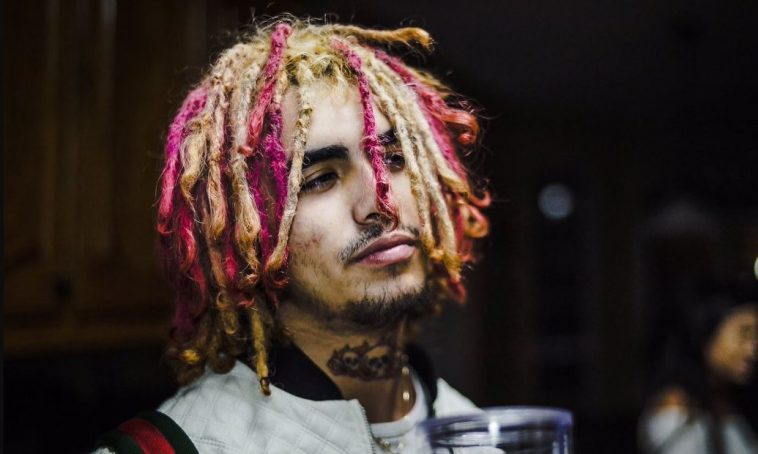
Lil Pump Calls J. Cole a “P-ssy” Over Kendrick Apology — Akademiks Presses Him 👀
A Conversation That Escalated Faster Than Anyone Expected
Hip-hop interviews are unpredictable by nature, but every once in a while, a single comment shifts the entire tone of the culture. That’s exactly what happened when Lil Pump sat down with DJ Akademiks and was asked about J. Coleapologizing to Kendrick Lamar.
What sounded like a routine question instantly turned explosive.
Without hesitation, Lil Pump dismissed J. Cole’s apology in blunt terms, calling him a “p-ssy” and framing the move as weakness rather than maturity. The moment landed hard — not just because of the language, but because of who it was aimed at.
Within minutes, clips from the interview were circulating across social media, reigniting debates about respect, ego, and how hip-hop defines strength.
The Question That Opened the Floodgates
DJ Akademiks didn’t bait the moment with aggression. The question was simple: what did Lil Pump think about J. Cole choosing to apologize amid rising tension involving Kendrick Lamar?
That context matters.
J. Cole’s apology had already sparked heavy discussion in hip-hop circles. Some praised it as self-awareness and growth. Others criticized it as backing down in a culture that historically values confrontation.
Lil Pump landed firmly in the second camp.
Rather than framing his opinion carefully, he went straight for shock value — and in doing so, shifted the entire interview’s energy.
Lil Pump’s Reaction and Why It Hit So Hard
Lil Pump has never been known for restraint. His rise was built on raw energy, irreverence, and saying things others wouldn’t. But even longtime fans were surprised by how quickly and aggressively he dismissed J. Cole.
The reaction felt less like critique and more like provocation.
Calling out one of hip-hop’s most respected lyricists over a personal decision wasn’t just controversial — it was symbolic. It represented a deeper clash between eras, values, and definitions of credibility.
For some listeners, Pump was simply being honest.
For others, he crossed an unnecessary line.
Akademiks Pushes Back — Not Letting It Slide
What made the clip resonate even more was DJ Akademiks’ response.
Instead of laughing it off or moving on, Akademiks pressed Lil Pump. He challenged the logic behind the statement and pushed him to explain why apologizing should be seen as weakness rather than control.
That pushback added weight to the moment.
This wasn’t just a rapper talking recklessly — it became a real-time debate about masculinity, pride, and accountability in hip-hop. Akademiks’ role shifted from interviewer to moderator, forcing clarity where chaos was expected.
J. Cole’s Apology and the Divide It Created
To understand the backlash, it’s important to look at why J. Cole’s apology mattered in the first place.
In a genre built on competition and lyrical dominance, apologies are rare. When they happen, they’re often seen as career-defining moments. J. Cole choosing to step back publicly challenged long-standing hip-hop norms.
Some fans saw it as:
-
Emotional intelligence
-
Growth
-
Respect for artistry over ego
Others viewed it as:
-
A missed opportunity
-
A retreat
-
A break from hip-hop tradition
Lil Pump’s comment didn’t start this divide — it amplified it.
Kendrick Lamar’s Silent Presence in the Debate
Interestingly, Kendrick Lamar didn’t need to say anything for his name to dominate the conversation. His presence loomed over the entire exchange, acting as the unspoken standard against which others were measured.
That silence gave the situation gravity.
Kendrick has built his reputation on letting music speak louder than interviews. The fact that others were debating apologies and reactions around him only reinforced his position as a central figure in modern hip-hop discourse.
Internet Reaction: Brutal, Polarized, Unforgiving
As expected, social media wasted no time reacting.
Some fans applauded Lil Pump for “keeping it real,” arguing that hip-hop has become too sensitive and needs voices that reject compromise. Others accused him of clout chasing, claiming the comment was designed purely to go viral.
There was also a strong wave of backlash defending J. Cole, pointing out his longevity, influence, and the irony of being disrespected by someone whose career thrives on controversy rather than consistency.
The comment sections turned into battlegrounds — not just about Lil Pump, but about what hip-hop should value moving forward.
Lil Pump’s Position in Today’s Hip-Hop Landscape
This moment also reopened conversations about Lil Pump’s place in the culture. Once a breakout star who defined an era of SoundCloud rap, Pump now exists in a different phase of his career — one where attention often comes from statements rather than music.
That doesn’t make his opinion irrelevant, but it does change how it’s received.
For critics, this comment felt like another attempt to stay in the spotlight. For supporters, it was simply Pump being Pump — unfiltered and unapologetic.
Either way, his name dominated headlines again.
Respect, Ego, and What Hip-Hop Expects From Its Icons
At the core of this debate isn’t just one insult — it’s a philosophical question.
Is apologizing a sign of weakness, or a sign of confidence?
Does hip-hop still require confrontation to maintain respect?
Or has the culture evolved beyond that expectation?
Lil Pump’s statement represented one extreme. J. Cole’s apology represented another. And fans were left arguing about which path truly honors the culture.
The Role of Media in Amplifying Moments Like This
Interviews like this don’t exist in isolation. Media platforms, clips, and reposts magnify moments until they become defining narratives.
DJ Akademiks’ platform ensured this comment wouldn’t fade quietly. Instead, it became a talking point across hip-hop media, timelines, and group chats.
That amplification doesn’t create opinions — but it accelerates their impact.
What Happens Next Remains Unclear
At the time of writing, J. Cole hasn’t responded to Lil Pump’s comment. Kendrick Lamar remains silent, as expected. And Lil Pump hasn’t walked anything back.
The story may fade, or it may resurface if another artist weighs in. In hip-hop, moments like this have a habit of reappearing when least expected.
Silence can end a debate — or extend it indefinitely.
Final Thoughts: Honesty or Clout?
Lil Pump’s comment did more than insult an artist — it exposed a fracture in how hip-hop defines strength, respect, and growth.
Some saw honesty.
Some saw disrespect.
Some saw clout chasing.
What’s undeniable is that one sentence reignited a larger conversation the culture is still struggling to resolve.
Whether this moment is remembered as reckless talk or raw truth depends on who you ask.
But for now, one thing is certain: hip-hop is still arguing about apologies — and Lil Pump made sure his voice was impossible to ignore.
👉 Stay connected with the latest updates on this story and more hip-hop news at The Urban Spotlight Homepage.









Leave a Reply
Want to join the discussion?Feel free to contribute!