
FAKE FLEX, REAL BULLETS: How a Facebook Money Post Nearly Cost a Man His Life
What started as a moment of online pride turned into a near-fatal nightmare — and this story stands as one of the clearest warnings yet that social media posts can carry deadly real-world consequences. In an era where attention, validation, and image often feel like currency, one man learned the hardest possible lesson: perception can be just as dangerous as reality, especially when it involves money.
A Post Meant to Defend Pride
The incident unfolded in Indianapolis, involving a man in his 60s who never imagined a Facebook comment could put his life on the line. According to investigators, the chain of events began days before the attack, after he was publicly called “broke” in an online comment.
Feeling disrespected, he responded the way many people do online — by trying to prove himself. He reposted an old photo showing a large stack of cash. The twist? The money wasn’t his. It was just an image, a prop, a flex meant to save face and shut down criticism.
To him, it was harmless.
To someone watching closely, it looked like opportunity.

How Fake Money Became a Real Target
Social media doesn’t exist in a vacuum. Posts travel. Screenshots last. And audiences are rarely who you think they are.
That single image — the fake flex — created a narrative: this man has money. For someone desperate, reckless, or watching with criminal intent, the difference between real and fake doesn’t matter. What matters is belief.
And belief can be lethal.
The Night Everything Changed
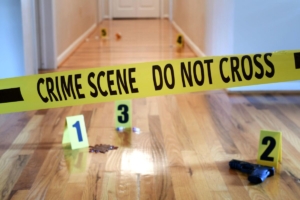
In the early hours of the morning, while the man slept, two armed suspects forced their way into his home. According to police reports, they immediately demanded cash — repeatedly referencing the Facebook photo they had seen online.
Despite his attempts to explain that the image was fake and the money wasn’t real, the attackers refused to believe him. In their minds, the post was proof. They thought he was lying to protect his stash.
The situation escalated quickly and violently.
He was beaten.
He was choked.
He was pistol-whipped.
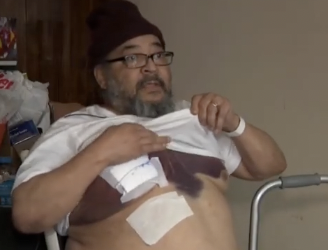
And then, in a moment that should have ended his life, he was shot execution-style in the back of the neck.
A Miracle Survival
Against all odds, the bullet exited through his chest. He survived.
He spent days in the hospital in critical condition, fighting for his life — not because of anything he actually owned, but because of what people thought he had.
That detail alone makes this case chilling. A fake display of money nearly became a death sentence.
Tactical Vests and Fake Authority
Adding another disturbing layer, investigators revealed that the suspects allegedly wore tactical vests and claimed to be police officers. This wasn’t a random smash-and-grab. It suggested planning, confidence, and a belief that the reward justified the risk.
This wasn’t desperation alone — it was calculation.
When criminals believe a big payout is waiting, they don’t just show up casually. They come prepared.
How Did They Know Where He Lived?
One of the most unsettling questions in this case is how the attackers found him.
His home address was never publicly posted online. That raises a frightening possibility: someone familiar with him — or someone carefully watching his activity — helped connect the dots.
In today’s digital world, your posts don’t just reach strangers. They reach:
-
acquaintances
-
old contacts
-
silent followers
-
people who never interact, but always watch
Danger doesn’t always come from strangers. Sometimes it comes from your orbit.
The Illusion of Online Safety
Many people assume danger only applies to celebrities or influencers flashing luxury lifestyles. This case proves otherwise. You don’t need fame. You don’t need followers. You just need one convincing image involving money.
The internet collapses distance. A post made casually can travel further than intended, landing in places you’ll never see — or control.
That’s the real risk of online flex culture.
Perception Is Powerful — and Dangerous
This story exposes a harsh truth about modern social media culture: perception is currency.
Even fake wealth can put a target on your back if someone believes it’s real. For people already struggling, desperate, or criminally inclined, a single photo can look like a solution to all their problems.
And when that belief takes hold, logic disappears.
Why “Fake Flexing” Is Riskier Than People Think
Fake flexing is often treated like a joke — a way to protect ego or earn validation. But criminals don’t care about context. They don’t care if it was a joke, a repost, or an old image.
They care about one thing: money.
And once they believe it exists, they may be willing to risk everything to get it.
Oversharing Has a Cost
Social media rewards oversharing with likes, comments, and validation. But it rarely shows the downside — the silent watchers, the unintended audience, the people interpreting your life through their own desperation.
In this case, oversharing didn’t just create attention.
It created danger.
This Isn’t Victim Blaming — It’s Survival
It’s important to be clear: responsibility lies with the attackers. Nothing justifies violence.
But understanding risk factors isn’t about blame — it’s about survival.
Flashing money, jewelry, or wins online can create narratives you never intended in the minds of people you don’t know. Staying low-key isn’t weakness. It’s awareness.
The Internet Never Watches Alone
One of the most chilling lessons from this case is that the internet never forgets — and it never watches alone.
Every post is permanent to someone.
Every flex is evidence to someone else.
Every attempt to prove a point can become a roadmap for the wrong person.
In a world where attention is currency, silence can be the safest investment.
Final Thoughts: One Post Can Change Everything
This man survived. Many wouldn’t have.
All because of a photo that wasn’t even real.
This story isn’t just about crime — it’s about culture. About how validation, pride, and online image can carry consequences far heavier than likes or comments.
Protecting your peace, your privacy, and your life matters more than winning an online argument. Because sometimes, the cost of proving a point is far higher than anyone expects.
Urban Spotlight Updates — stay informed, stay sharp, and stay safe.
👉 Stay connected with the latest updates on this story and more hip-hop news at The Urban Spotlight Homepage.



Leave a Reply
Want to join the discussion?Feel free to contribute!