
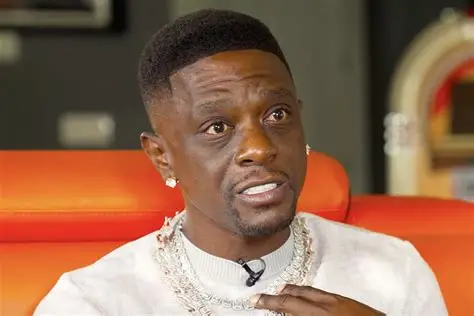
Stop Using My Name!” — Boosie Explodes Over Fake Page Scam
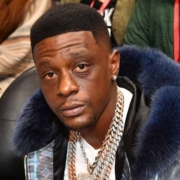
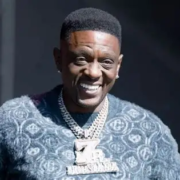
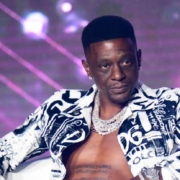
In today’s social-media world, celebrity names carry massive value — and unfortunately, that also makes them targets for fraud. Recently, rapper Boosie Badazz, popularly known as Boosie, sparked heated reactions online after calling out a fake Instagram page that allegedly used his name and image to scam followers.
The situation quickly caught attention because it highlights a growing problem: impersonation scams involving public figures. Fans trust what they see online, and when fake pages look convincing, many people don’t realize they’re being misled until it’s too late.
This blog breaks down the incident, why Boosie reacted so strongly, how these scams work, and what fans can learn from the warning.
Who Is Boosie and Why His Name Gets Targeted
Boosie has built a strong and loyal fanbase over the years through his music, outspoken personality, and heavy social media presence. His direct communication style makes fans feel connected to him — which is exactly why scammers try to imitate him.
When an artist speaks openly and frequently online, fake accounts can easily mimic the tone, profile pictures, or branding. Some scam pages even copy old photos, videos, and captions to appear believable.
For scammers, using the identity of a known rapper like Boosie increases trust instantly. Fans may think they’re receiving exclusive offers, private messages, or opportunities directly from the artist — when in reality, it’s a fraud attempt.
What Happened: The Fake Page Drama
The controversy began when Boosie reportedly noticed a fake Instagram page pretending to be him. According to his message to fans, the account wasn’t just impersonating him for attention — it was allegedly scamming people.
He posted emotional warnings telling followers that someone was using his name and image without permission. His tone was intense and frustrated, showing how serious he considered the situation.
Key points from his message:
-
Someone created a fake account using his identity
-
The page allegedly attempted to scam followers
-
Fans were urged to stop trusting unofficial pages
-
He wanted the account removed immediately
The reaction spread quickly because many people have seen similar scams happen before — but it hits differently when the celebrity themselves speaks out publicly.
Why Boosie’s Reaction Was So Strong
From the outside, some might think this is just another fake account situation. But for artists, impersonation can damage both reputation and fan trust.
Boosie’s heated response likely came from several concerns:
1. Protecting Fans
Many artists feel responsible for their community. If fans lose money or get scammed while thinking they are interacting with him, that affects his relationship with them.
2. Reputation Risk
Scammers often promise fake giveaways, paid shoutouts, or investment deals. If victims believe Boosie was involved, it can hurt his public image.
3. Loss of Control
Celebrities work hard to build their personal brand. Fake pages take away control over how their identity is presented online.
This explains why he publicly told followers to stay alert and avoid fake pages.
The Rise of Celebrity Impersonation Scams
Boosie’s situation is not an isolated case. Across social media platforms, scammers frequently create fake pages that look nearly identical to real celebrity accounts.
Common tactics include:
-
Using profile pictures copied from official pages
-
Slightly changing usernames (adding dots or extra letters)
-
Sending DMs claiming to be the celebrity
-
Offering fake giveaways or “special opportunities”
-
Asking for payments through unofficial methods
These scams rely on urgency and excitement. Fans think they’re getting a once-in-a-lifetime chance — and that emotional response makes people act quickly without verifying details.
How Fans Usually Get Tricked
Understanding the psychology behind these scams helps explain why they work.
Emotional Excitement
Imagine receiving a message that appears to be from your favorite artist. Your first reaction is excitement — not suspicion. Scammers count on that moment.
Social Proof
If the fake account has many followers or copied content, it looks authentic at first glance.
Urgency
Messages often say things like:
-
“Limited spots available”
-
“Act now”
-
“Exclusive offer for fans”
This pressure reduces careful thinking.
Social Media Platforms and the Verification Problem
Most major platforms attempt to fight impersonation through verification badges and reporting systems. However, fake pages still slip through because:
-
Anyone can create new accounts quickly
-
Content can be copied in seconds
-
Algorithms sometimes miss subtle impersonations
Celebrities like Boosie often end up repeatedly warning fans because platform enforcement can take time.
Boosie’s Message: A Bigger Warning Beyond One Scam
What makes this situation more important is that Boosie didn’t just complain — he warned fans directly.
His message had a clear purpose:
“Stay alert. Don’t fall for fake pages.”
This reflects a bigger reality: scams are becoming more advanced. Some fake accounts even use AI-generated responses or copy real post styles to appear genuine.
The lesson isn’t only about one rapper — it’s about digital safety in general.
How to Identify a Fake Celebrity Account
If you follow celebrities online, here are practical ways to stay safe:
✔ Check Verification
Look for the official verified badge. While not foolproof, it’s the first sign of legitimacy.
✔ Compare Followers and Activity
Fake pages usually have fewer followers and inconsistent engagement.
✔ Watch Username Details
Scammers often add extra numbers or symbols.
✔ Be Careful With DMs
Real celebrities rarely ask fans for money privately.
✔ Never Send Payments
If an account requests money, gift cards, or crypto — that’s a major red flag.
The Impact on Fans
When scams happen, the biggest victims are often the fans themselves. Some lose money; others feel embarrassed for trusting the account.
Boosie’s frustration likely reflects concern for fans who may have already been targeted. Public warnings can prevent more people from falling victim.
The Impact on Artists
For artists, impersonation can lead to:
-
Damage to reputation
-
Loss of brand trust
-
Fan confusion
-
Legal complications
Many artists end up spending time reporting fake pages instead of focusing on music or creative work.
Why This Story Went Viral
The internet loves drama — but there’s more to it than that. Boosie is known for speaking candidly, and his direct reaction made the incident feel real and urgent.
Fans shared clips and reposted the warning, which helped spread awareness but also turned the issue into a trending conversation.
Lessons From the Boosie Scam Incident
Here’s what people can take away:
-
Always verify before trusting online profiles
-
Celebrity impersonation scams are increasing
-
Emotional reactions make scams easier to fall for
-
Public warnings from artists are meant to protect fans
Boosie’s strong reaction shows how serious these situations can become when scammers misuse someone’s identity.
Digital Trust Is Becoming More Complicated
As social media grows, the line between real and fake content keeps getting thinner. Fake pages, edited screenshots, and AI tools make scams look more convincing than ever.
Fans need digital awareness just as much as entertainment.
Bottom Line
The incident involving Boosie and a fake Instagram scam page is another reminder that online identity theft isn’t just about ordinary users — even celebrities deal with it regularly.
By publicly calling out the fake page, Boosie sent a clear message: protect yourself, verify accounts, and don’t trust everything you see online.
For fans, the best response is awareness. For scammers, public exposure is often the fastest way to shut them down.
👉 Stay connected with the latest updates on this story and more hip-hop news at The Urban Spotlight Homepage.




Leave a Reply
Want to join the discussion?Feel free to contribute!