
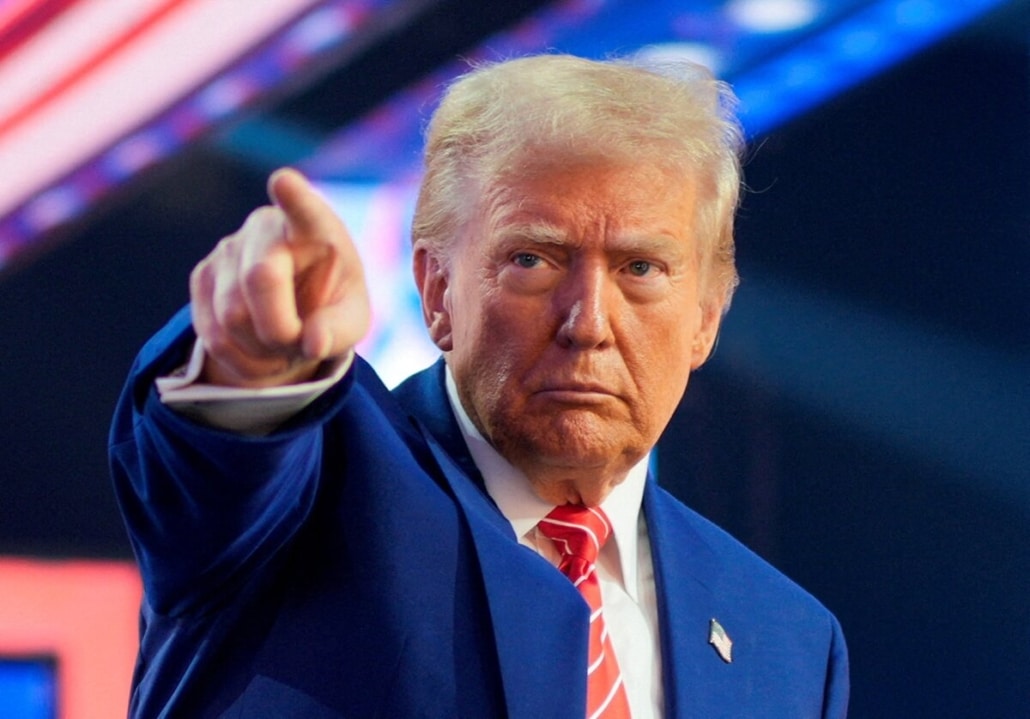
Donald Trump’s Signature Reportedly Coming to U.S. Dollars: Why This Break From Tradition Is Sparking Debate
A new development involving Donald Trump is generating widespread attention and discussion. According to reports, a significant change could be coming to U.S. paper currency—one that may alter a long-standing tradition.
The idea that a sitting president’s signature could appear on U.S. dollar bills is not only unusual but also historically significant. If implemented, this move would mark a notable shift in how American currency is designed and presented.
As the news spreads, reactions are beginning to form, with some viewing the change as symbolic and others questioning its implications.
The Reported Change: What Is Being Proposed?
At the center of the discussion is a proposed update to U.S. paper currency.
According to reports:
- Donald Trump’s signature may appear on newly printed dollar bills
- The change is connected to the upcoming 250th anniversary of the United States
- The signature would appear alongside that of Treasury Secretary Scott Bessent
This proposal represents a shift from traditional practices, which have remained consistent for decades.
A Break From Long-Standing Tradition
U.S. currency has followed a specific format for many years.
Typically, paper money includes:
- The signature of the Treasury Secretary
- The signature of the U.S. Treasurer
This combination has been a standard feature of American currency for over a century.
However, in this reported change:
- The U.S. Treasurer’s signature would not appear
- A sitting president’s signature would be included instead
This deviation is what has captured public attention.
Why the 250th Anniversary Matters
The proposed update is reportedly tied to the 250th anniversary of the United States, a milestone event that carries symbolic importance.
Anniversaries of this scale often involve:
- Commemorative designs
- Special editions of currency or stamps
- Changes meant to reflect national identity
If the change moves forward, it would likely be framed as part of a broader effort to mark this historic occasion.
Why This Is Considered Historic
If implemented, this would be the first time a sitting U.S. president’s signature appears on circulating paper currency.
This makes the proposal:
- Historically unique
- Symbolically significant
- Highly visible to the public
Unlike policy changes or legislative actions, currency design is something people interact with daily.
Public Reaction: Mixed Opinions
As with many high-profile developments, reactions to this proposal are divided.
Supporters
Some view the change as:
- A historic milestone
- A creative way to mark the anniversary
- A modern update to tradition
They see it as a symbolic gesture that reflects a specific moment in time.
Critics
Others have raised concerns, suggesting:
- It breaks long-standing norms
- It may introduce unnecessary controversy
- Currency should remain politically neutral
For critics, the issue is less about the design and more about the precedent it sets.
The Role of Currency in National Identity
Currency is more than just a medium of exchange.
It also represents:
- National history
- Cultural values
- Institutional continuity
Changes to currency design can therefore carry deeper meaning.
In this case, the inclusion of a president’s signature could be interpreted in different ways depending on perspective.
The Importance of Consistency in Currency Design
One reason this proposal stands out is the consistency that has historically defined U.S. currency.
For decades, design elements have remained stable, providing:
- Familiarity
- Trust
- Recognition
Breaking from that consistency naturally attracts attention.
The Debate Over Symbolism vs. Tradition
At the core of the discussion is a broader question:
Should symbolic changes take precedence over established traditions?
Arguments for Symbolism
- Milestones justify unique changes
- Design can evolve over time
- Representation can reflect current leadership
Arguments for Tradition
- Consistency builds trust
- Neutrality should be maintained
- Changes should be minimal and carefully considered
This balance between innovation and tradition is central to the debate.
Social Media Amplification
As news of the proposal spreads, social media platforms have become key spaces for discussion.
Users are:
- Sharing opinions
- Debating the implications
- Speculating about future changes
This rapid exchange of ideas has helped the topic gain visibility.
The Broader Context of Political Perception
Any change involving a political figure is likely to be interpreted through multiple lenses.
For some, the inclusion of Donald Trump’s signature may be seen as:
- Recognition of leadership
- A historical marker
For others, it may raise concerns about:
- Political influence
- Representation on national symbols
These differing interpretations contribute to the ongoing debate.
What Would This Mean for Everyday Americans?
If the change is implemented, it would affect something used daily: money.
This means:
- People would see the new design regularly
- The change would become part of everyday transactions
- It would likely become a widely recognized feature
Few policy changes have this level of visibility.
What Happens Next?
At this stage, the proposal remains a topic of discussion.
Possible next steps include:
- Official confirmation or clarification
- Further details about implementation
- Public and institutional response
The final outcome will determine whether this becomes a historical reality or remains a debated idea.
The Bigger Picture
This situation highlights how even small design changes can lead to larger conversations.
It raises questions about:
- Tradition vs. change
- Symbolism in national objects
- The role of leadership in public representation
These themes extend beyond currency design.
Lessons From the Discussion
There are several key takeaways:
Small Changes Can Have Big Impact
Even minor design updates can spark widespread debate.
Public Symbols Matter
Objects like currency carry meaning beyond their function.
Perspectives Will Differ
People interpret changes based on their own views and experiences.
Tradition Is Powerful
Long-standing practices often shape expectations.
Final Thoughts
The possibility of Donald Trump’s signature appearing on U.S. currency represents more than just a design change.
It is a moment that brings together:
- History
- Symbolism
- Public perception
Whether seen as a meaningful update or a controversial shift, the discussion itself reflects the importance of national symbols.
If the change moves forward, it will become a visible part of everyday life—one that people will carry, exchange, and discuss.
👉 Stay connected with the latest updates on this story and more hip-hop news at The Urban Spotlight Homepage.




Leave a Reply
Want to join the discussion?Feel free to contribute!