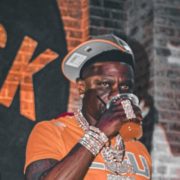
boosie

EXPLOSIVE REACTION: Boosie Boasts “Great Day in Hip‑Hop” After Diddy Verdict

When jurors returned a mixed verdict in Sean “Diddy” Combs’s trial—acquitting him on some charges but convicting him on two prostitution counts—Boosie Badazz was quick to celebrate him. His unapologetic response resonated deeply across hip‑hop and sparked fresh debates on power, accountability, and justice in the community.


Boosie’s Bold Statement

Shortly after the verdict dropped, Boosie took to social media to declare it a “Great Day N Hip Hop!!” and emphatically “Diddy Not Guilty”. His message echoed a feeling shared by others who celebrated Diddy avoiding life-altering racketeering charges. For Boosie, this wasn’t just a legal win—it was a cultural victory.


Where He Stands: A Defender in Chief

Boosie has long been one of Diddy’s most vocal defenders:

  • Throughout the trial, he rejected the core allegations, dismissing the so-called “freak-offs” as consensual, and argued that hip-hop moguls shouldn’t be criminally prosecuted for private behavior.
  • He compared legal scrutiny of Combs to past left unchallenged in the stories of moguls like Hugh Hefner, pointing out inconsistencies and double standards.
  • Once the verdict came, Boosie’s relief and triumph framed Diddy as a symbol of resilience and justice for Black moguls under siege.

What Boosie Says—And What It Means

  1. Cultural Solidarity
    His message of unity—“tired of seeing us Black people go against us Black moguls”—struck a chord with many who see Diddy as an icon under attack. It reinforced a narrative that justice isn’t blind to the power dynamics at play.
  2. Disputing the Allegations
    He dismissed the racketeering charges as overreach: “I DON’T SEE NO CRIMES COMMITTED IN THIS CASE !!”. Boosie challenged the legitimacy of turning consensual conduct into federal crimes.
  3. Challenging the Victim Narrative
    Boosie echoed a growing trend in the “manosphere,” where high-profile men accused of wrongdoing are portrayed as victims of a cultural purge. He echoed Myron Gaines by casting Cassie Ventura and others in a light of opportunism.

The Ripple Effect

Boosie’s reaction isn’t just loud—it’s influential:

  • Shaping public discourse: His words add fuel to the debate over Diddy’s legacy and their portrayal in the court of public opinion.
  • Shifting blame: By framing the legal action as a cultural attack, he reframes the narrative focus onto broader social and racial dynamics.
  • Galvanizing supporters: Other prominent voices in hip-hop, including 50 Cent, reinforced the messaging, hailing Diddy as triumphant despite the tarnishing of personal image.

Beyond the Verdict: What’s Next

The mixed verdict leaves Diddy at a crossroad:

  • Facing prison time: Conviction on two prostitution charges under the Mann Act carries years behind bars, despite escaping the more severe penalties.
  • Awaiting sentencing: Legal analysts expect tough sentencing, though bail motions are pending .
  • Civil consequences: Over 50 civil suits tied to assault and exploitation remain open .

Cultural Divide: The Manosphere vs. #MeToo

Boosie’s stance reflects a growing chasm between two cultural currents:

  • The manosphere & allied hip-hop voices: They question whether allegations stem from genuine wrongdoing or a societal backlash against powerful men.
  • Survivor advocates & accountability voices: They emphasize respecting victim testimony and safeguarding the legal system’s integrity.

Boosie’s words amplify one side of this divide, inflaming the broader narrative around powerful men, race, and justice.


Final Take

Boosie Badazz’s celebratory clapback is more than headline news—it represents a shifting perception within hip-hop and Black America. His loud rejoinder—“Great Day N Hip Hop!!”—cements Diddy’s legal win as a cultural moment, not just a courtroom outcome.

But beneath the swagger lies a deeper tension: Can power and influence shield against accountability? Boosie puts confidence and culture on the line, but a sentence looms—and civil fallout continues.

In this fractured moment, hip-hop divides: one side celebrates another’s survival, while the other demands accountability and justice. Boosie’s voice clears the air—but the storm is far from over.

Read more Urban news
24
djutv

CAPTIVATING CONFRONTATION: DJUTV Reveals NBA D Dawg Snatched His Phone in Heated Interview

In a recent viral moment that left fans buzzing, content creator DJUTV dished on a tense on-camera altercation involving NBA D Dawg—a close affiliate of NBA YoungBoy. The allegation? NBA D Dawg allegedly grabbed DJUTV’s phone mid-interview and tossed it onto the grass, halting the footage and rattling the streamer. Let’s dive into what went down and why this moment is resonating across the hip-hop media sphere.


The Interview Unravels

During an appearance on RealToon, DJUTV recounted the shocking incident: “He took my phone and threw it in the grass,” he said, describing how D Dawg’s reaction abruptly cut the interview short. DJUTV emphasized this was the first time he’d experienced someone forcibly seizing his phone during a recorded session.

Instagram clips from Rap Plug show DJUTV detailing the escalating tension and expressing disbelief at D Dawg’s actions . The hashtag #NBA_DDAWG has been trending lately, fueling more speculation and context around this dramatic confrontation.


Viral Fallout

Social media erupted following the altercation:

  • TikTok buzz: Over 4,000 views in just days on clips tagged #nabadawg, where fans dissected D Dawg’s body language and DJUTV’s shocked response .
  • Instagram reactions: A clip from 954 Fast Pitch TV captioned, “NBA Youngboy’s homie ‘Ddawg’ got mad at DJ U,” racked up hundreds of likes and comments debating whether D Dawg crossed a line.

The split in sentiment is telling—some support DJUTV’s right to document the interview, while others defend D Dawg’s move as a protective reaction.


What Really Happened?

DJUTV says:

“He took my phone and threw it in the grass.”

He claims the confrontation erupted when D Dawg became agitated—possibly over sensitive questions or unexpected exposure—and snatched the phone mid-session.

D Dawg hasn’t publicly addressed the incident himself. Some speculate he felt ambushed or disrespected, while others accuse him of overreacting to maintain control of the narrative.


Why It’s a Big Deal

  1. Streamer vs star power: The clash highlights the evolving power dynamics: content creators have growing influence—but rappers and affiliated personalities still wield real-world muscle and influence.
  2. Credibility at stake: DJUTV’s livestream brand is built on transparency. Any forced cut or phone removal directly undermines his authenticity.
  3. Setting a precedent: Should rappers be allowed to stop interviews mid-filming? How does this affect consent, consent to be recorded, and control over content?

Possibilities Ahead

D Dawg has yet to issue a public apology or statement, leaving fans wondering if he’ll clarify his position. His silence raises the question: will he address the situation, or maybe fire back with his own defense?
Meanwhile, DJUTV faces a content strategy pivot—will they use the incident for follow-up content? Alternatively, they might explore legal avenues in response to the aggressive interview interruption.
The industry is buzzing as this incident sparks conversations about respect and professionalism in hip-hop media. It highlights a broader discussion about appropriate conduct in the media space, especially for influential figures.


Final Thoughts

DJUTV’s revelation of NBA D Dawg forcibly seizing, tossing, and halting his phone during a live interview marks a powerful reminder: control of narrative is often physical and immediate. While fans await D Dawg’s side, DJUTV’s transparency continues building his brand.

In an era where streaming credibility is gold, this confrontation may become a case study in content powerplay—and a defining moment for interview boundaries in hip-hop.

Read more Urban news

18
gina

Gina Huynh Says She’s Not Afraid If Diddy Walks Free

As Sean “Diddy” Combs’s federal trial reaches its dramatic conclusion, one unexpected voice has emerged—former partner Gina Huynh, identified as “Victim 3,” who recently announced she isn’t afraid of what happens if Diddy is acquitted. Her declarations add a fascinating twist to an already complex legal and emotional saga.


No Fear of Outcome

According to an early report via TMZ, Gina unequivocally stated she won’t be “scared” even if Combs is found not guilty. She made this clear while speaking to reporters outside the courthouse, maintaining composure under intense scrutiny. This declaration counters widespread speculation that she might testify—or that she’s influenced by Combs’s power.


Why Gina Matters, Even in Silence

  1. High-Stakes Witness Status
    Gina was historically expected to be a pivotal witness, with allegations dating back to 2019 that accused Combs of kicking her while she was pregnant, resulting in a miscarriage. But the prosecution ultimately didn’t call her to testify.
  2. Narrative Authority
    Though absent from the stand, Gina is occasionally mentioned—Cassie Ventura referenced her during testimony. Her presence as a central figure persists, shaping public and legal discourse.
  3. Strategic Silence
    Observers speculate Gina may be avoiding the spotlight intentionally. Media rumors suggest she may have accepted a $2 million settlement or perks—like housing or educational support—in exchange for staying silent. She has neither confirmed nor denied these claims, maintaining her distance from court proceedings.

What She’s Saying Now

  • “I’m not scared”: Her defiant stance forces public respect, emphasizing resilience over victimhood .
  • No submission to power: By rejecting fear—even facing a verdict—she highlights her autonomy.
  • Clarifying identity: Reassurances like this help define who she is beyond the sensationalist labels of “Victim 3.”

Silent but Impactful

Her lack of courtroom presence doesn’t diminish her influence:

  • Implicit credibility: Prosecutors likely deemed her unreliability a risk. Her non-testimony could suggest perceived inconsistencies.
  • Public curiosity: Rumors, settlements, and her aura of strength—despite remaining off-stage—all keep her at the center of conversation.
  • Potential future moves: She may testify later or pursue civil action—her groundwork now sets a stage for what comes next.

Broader Implications for the Verdict

  • Shielding strategy: Gina’s statement indirectly supports Combs’s defense by suggesting the prosecution chose not to call her—casting doubt.
  • Perception manipulation: Public opinion shapes trial narratives. Her composed imagery and words can reduce momentum behind the prosecution’s personal-impact argument.
  • Legal latitude: If Diddy is acquitted, Gina’s calm may reduce pressure on prosecutors to pursue civil litigation in the future.

What to Watch Next

  • Final Verdict: Jury decision expected soon. Gina’s demeanor and absence could influence both legal and public responses.
  • Testimony shifting: No indication she’ll speak publicly—but watch for updates on civil lawsuits or new evidence.
  • Media response: Coverage will stress her resilience, potentially shaping the next chapter in this high-profile case.

Final Take

Gina Huynh’s refusal to be intimidated—from haunting allegations to courtroom absence—speaks volumes. Declaring she won’t be “scared” of any outcome, she challenges both Combs’s power and public expectations. In doing so, she carves out a space beyond the label of “Victim 3”—becoming a person who confronts narrative control with hands-up confidence.

Whether the jury sides with the prosecution or decides on acquittal, Gina’s posture remains steady. In this storm of power, fame, and legal drama, her unwavering calm may be one of the most telling statements of all.

Read more Urban news

23
adcock

Gavin Adcock SLAMS Beyoncé’s “Cowboy Carter” In Genre Showdown

At a time when Beyoncé’s Cowboy Carter album is dominating country charts and redefining the genre, country newcomer Gavin Adcock publicly blasted the project—declaring it “ain’t country music.” The fiery critique sparks vital questions about authenticity, genre gatekeeping, and the shifting cultural dynamics within country music.


The Onstage Outburst

While performing at a recent concert, Adcock candidly addressed chart positions, pointing out that Beyoncé’s Cowboy Carter had surpassed his own album, My Own Worst Enemy, on the Apple Music country charts. He boldly proclaimed:

“One of them’s Beyoncé—tell her we’re coming for her f—in’ ass… That shit ain’t country music, and it ain’t ever been country music.”

The crowd cheered in response to his pointed remark, triggering waves across social media.


The Clarification Video

Within days, Adcock released a statement on Instagram to clarify his stance:

“I love Beyoncé—I grew up listening to her—but her album doesn’t sound or feel country… People dedicated to this genre shouldn’t have to watch it top the charts just because she’s Beyoncé.”

He doubled down on genre loyalty, emphasizing devotion to traditional country values.


A Larger Cultural Clash

This clash follows a broader pattern in country music, particularly regarding Black artists crossing genre lines:

  • Beyoncé has faced skepticism since her 2016 CMA appearance singing “Daddy Lessons” with the Chicks—an event widely regarded as racially tinged.
  • Her Cowboy Carter album, though Grammy-winning and chart-topping (#1 Country, #1 Album of the Year), emphasizes Black cowboy culture and its roots.
  • Yet resistance persists: Adcock’s comments echo underlying tensions over representation—and who defines “country.”

BeyHive Strikes Back

Fans of Beyoncé—collectively known as the BeyHive—responded en masse:

  • “A white man complaining about Beyoncé owning country?” one user challenged.
  • Others pointed out Cowboy Carter’s Texas roots and collaborations with country legends like Dolly Parton and Willie Nelson.
  • Some accused Adcock of opportunism, labeling his comments a clout-chasing stunt aligned with his upcoming album release.

The Genre Gatekeeping Dilemma

  • Authenticity vs evolution: Adcock argues for preserving traditional country sounds and artists who’ve lived the lifestyle.
  • Inclusivity and genre blending: Beyoncé’s Cowboy Carter has expanded country’s boundaries, spotlighting its Black roots and global reach.
  • Financial fairness: Adcock highlights the commercial edge Beyoncé brings to the genre, suggesting her stardom gives her an unfair advantage .

Why This Moment Matters

  1. Confronting racial and cultural exclusion
    Beyoncé’s experience and ongoing push into country music challenge long-standing racial barriers.
  2. Redefining country music for the 21st century
    With Cowboy Carter dominating charts and inspiring scholars, the genre’s identity is undergoing a historic reshaping.
  3. Artist responsibility in public discourse
    Adcock’s harsh wording—and his own upcoming album release—spark broader questions around motives and ethics in public criticism.
  4. Fans mobilizing online
    The BeyHive’s pushback reflects digital power—supporting inclusivity and demanding accountability for cultural gatekeeping.

Final Verdict

Gavin Adcock’s outspoken criticism of Cowboy Carter isn’t just a feud over chart rankings—it’s a flashpoint in the ongoing culture wars between tradition and transformation in country music. Beyoncé’s album brings visibility to Black cowboy lineage and breaks genre boundaries with style and substance, sweeping charts and industry awards alike.

Adcock insists on preserving a pure traditionalism, but his attempt to relegate Cowboy Carter as genre-ineligible is being met with a roaring, global contradiction: the album feels country to audiences—because it is country, just a more inclusive one.

This clash is a potent reminder: country music, like any art form, evolves. Beyoncé’s entry is more than a debut—it’s a reassertion of the genre’s roots and potential. As debates rage on social timelines and award stages, one question stands clear:

Who decides what counts as country?

Read more Urban news

21
miami

SHOCKING EXCLUSION: Women Denied Entry at Miami’s Club Mona for Being ‘Too Dark, Too Thick’

Miami nightlife just hit a flashpoint: during a recent night out, three Black women allege that they were explicitly denied entry into Club Mona in Miami—for being “too dark” and “too thick.” The incident, shared in a viral Instagram reel, has sparked outrage and renewed discussions about appearance discrimination in elite nightlife venues.


What Went Down?

In the Instagram clip, the woman describes how she and her friends arrived at Club Mona only to be told by a bouncer they couldn’t enter because of their skin tone and body shape. Comments like “too dark” and “too thick” were allegedly the rationale—despite meeting dress code standards. The reel rapidly spread across social platforms, with a Daily Loud post confirming the women’s identity as Jamaican-American and relaying their claims of blatant bias .

Additional footage and commentary appeared on X and Facebook, echoing the same allegations—some viewers pointed out that such discriminatory treatment isn’t a widespread, but it highlights ongoing issues in Miami’s upscale club scene .


Miami’s Argument: Appearance Policing

Club bouncers often enforce subjective standards—focusing on attractiveness, body size, and now, it seems skin tone. Critics argue that leveraging “beauty” as a qualifier promotes a culture that privileges light skin and slim figures. Public responses reflect a strong backlash:

  • “They told me I’m too dark and too thick,” she said, capturing a cross between surprise and hurt on camera .
  • Viral shares encouraged other women to share similar experiences, illustrating that this isn’t an isolated problem.

Legal Ramifications & Ethical Considerations

Although private clubs in Florida have some leeway in setting entry criteria, federal anti-discrimination laws prohibit policies that target based on race or color. If it’s proven that certain patrons were denied for their skin tone or size, Club Mona could face investigations under civil rights statutes. Legally, using phrases like “too dark” can be construed as racial discrimination, not just superficial appearance bias.


Broader Miami Club Culture & Public Outcry

Miami has seen similar controversies in the past:

  • Influencers and celebrities (like Cardi B) have spotlighted unfair treatment of Black women outside nightclubs.
  • Some venues have responded by firing staff and pledging new training—yet many critics say this is still lip service rather than meaningful change.

This new Club Mona incident rekindles demands for accountability. Online commenters stress the emotional toll of being judged before entering a venue meant for enjoyment—and raise questions about what criteria nightlife establishments should—and shouldn’t—enforce.


Why This Story Matters

  1. Appearance bias is discriminatory
    Beyond aesthetic preferences, denial based on body shape or skin tone reflects ongoing societal inequities.
  2. Racial undertones demand scrutiny
    The alleged admission that they were “too dark” places this incident in the realm of racial prejudice—not simply body-shaming.
  3. Miami’s reputation is at stake
    As a global destination, Miami’s nightlife thrives on diversity. But incidents like this send the wrong message.
  4. Momentum for reform
    With social media as a spotlight, guests and advocates are pressing clubs to clarify and revise their entry practices.

What Could Happen Next?

  • Public pressure: If the reel continues to trend, Club Mona may be prompted to issue a statement, update bouncer policies, or even retrain staff.
  • Potential legal challenges: Victims may consult civil rights attorneys to seek redress or file complaints.
  • Policy transparency: Clubs could adopt written, non-discriminatory door policies—detailing clearly that factors like race, body size, or skin tone don’t affect entry.
  • Industry-wide impact: Miami’s nightlife operators may reconsider image-based entry for fear of reputational damage and legal fallout.

Takeaway

The Club Mona controversy is far from just another club drama. It underscores deeper issues:

  • Racial and body-based gatekeeping in places meant for social freedom and celebration.
  • The collision of social media accountability with old-school club policies.
  • A potential turning point for Miami’s nightlife norms—where exclusionary practices must be eliminated or justified.

Ultimately, this could be a pivotal moment. If Miami’s nightlife leaders pivot toward inclusivity—backed by enforceable policies and transparent standards—the city can remain a global social hub that celebrates diversity—not punishes it.


As heat builds online, all eyes will be on Club Mona: whether they respond substantively—and if Miami nightlife as a whole acknowledges that exclusion has no place in celebration.

Read more Urban news

17
lala

CONTROVERSIAL STAND: LaLa Lane Backs Diddy—but Says Cassie & Jane Doe “Ain’t Innocent”

In the midst of Sean “Diddy” Combs’s high-stakes federal sex-trafficking and racketeering trial, longtime family friend and caretaker of his twins, LaLa Lawanda Lane, made quite the statement—acknowledging Diddy’s apology to his loved ones, yet casting doubt on the innocence of key accusers, namely Casandra “Cassie” Ventura and the anonymous “Jane Doe.” Here’s everything you need to know about her fiery comments and what they mean both for the trial and the broader conversation surrounding it.


Diddy’s Apology—A Private Moment Goes Public

According to TMZ, LaLa described an emotional exchange between Diddy and his family before jurors began their deliberations:

“It was an emotional meeting, where Diddy was extremely apologetic to his family for running them through the ringer,” she shared, crediting his genuine remorse.

Images and video from outside the Manhattan federal courthouse captured LaLa’s confident presence, standing by Diddy’s side, emphasizing his humility and vulnerability behind the courtroom doors .


LaLa Speaks Out: “Cassie and Jane Doe Ain’t Innocent”

But LaLa didn’t stop at praise. She leveled sharp words at Diddy’s accusers:

“With Cassie, she slid into the picture while Kim Porter was pregnant. And with Jane, she refused to accept when Diddy dumped her—there was drama involving his children.”

She strongly implied both women were voluntary participants in their relationships with Combs—and that their courtroom portrayals omitted key truths.


Why This Matters

  1. Character Influence
    LaLa is not a casual observer. As caretaker and friend to Combs’s children, her testimony attempts to humanize Diddy and portray him as relatable and flawed—but not criminal.
  2. Defense Strategy Validation
    Her perspective aligns with defense attorney Marc Agnifilo’s claim that Cassie and Jane are motivated by money and agency—not victimhood. Agnifilo depicted Combs’s relationship with Cassie as a “modern love story” filled with mutual involvement.
  3. Damage Control
    LaLa’s statement subtly aims to shift public opinion by suggesting these women’s motives are financially driven. Highlighting Diddy’s apology and emotional state serves to soften his image.

Clash of Narratives in Court

Prosecution
Cassie testified that Combs physically and sexually abused her, sometimes for hours at a time. “Jane” also shared harrowing accounts of coercion during multi-day “freak-off” sessions–describing force, explicit content, and manipulation.

Defense
Agnifilo conceded that Combs was abusive in private, but argued no criminal trafficking operation existed—just consenting adults in a complicated relationship marked by domestic violence, not human trafficking.


LaLa’s Impact: Why It Resonates

  • Personal Credibility: As part of Combs’s inner circle and caregiver to his children, LaLa’s voice carries significant emotional weight.
  • Media Strategy: Her timing is no accident. With jury deliberations underway, her media presence injects doubt and complexity into the public’s perception of the case.
  • Truth vs. Loyalty: Her words blur the lines—was she revealing hidden truths, or standing to shield someone she cares deeply about?

The Bigger Picture

  1. Media wars intensify: Moments like this broaden the courtroom fight into a public spectacle.
  2. Complex human relationships: The case highlights how love, power, and loyalty collide—and how messy human stories defy clean legal narratives.
  3. Victim credibility under fire: Defense strategies often hinge on questioning accusers’ motives. LaLa’s statement is part of that effort, but critics worry it shifts blame.
  4. Trial optics: LaLa’s emotional support and dismissal of the accusers’ motives paints Diddy in a softer light—potentially generating juror empathy.

Final Take

LaLa Lane’s bold affirmation that “Cassie and Jane Doe Ain’t Innocent”, juxtaposed with Diddy’s sincere apology to his family, crystallizes the trial’s emotional battleground. On one side, a man seen as a remorseful father and partner; on the other, accusers laying bare painful allegations of coercion and abuse.

This is not just legal strategy—it’s narrative warfare. As the jury takes these stories into deliberation, public opinion is already shaped by voices like LaLa’s. Whether her words strengthen Diddy’s defense or complicate perceptions entirely remains to be seen—but in the era of media-saturated trials, every narrative matters.

This Exotic Tonic Melts Belly Fat Naturally:

click here

Read more Urban news

14
Jay Cinco

VIOLENT DETOUR: Jay Cinco’s Unexpected Altercation at Paris Fashion Week

Paris Fashion Week—one of the globe’s most glamorous events—took an explosive turn when Twitch IRL streamer and rising rapper Jay Cinco found himself in a live-streamed physical altercation with a random man while shopping. A video capturing the tense moment has gone viral, drawing mixed reactions and highlighting how the spotlight can shift in an instant.


What Happened?

The incident unfolded during Paris Fashion Week 2025, inside a chic store. Jay Cinco, real name Deion “Jay Cinco” Payne, was accompanied by Instagram model Lala Baptiste when an unsolicited interaction rapidly escalated. According to the Hindustan Times, the confrontation began after Cinco refused to allow the man to take a photograph of him and Baptiste. Moments later, gestures turned violent and the two exchanged blows in front of shocked onlookers.

The footage, captured during Cinco’s live stream, shows him saying, “Bro! We good, bro! We don’t want no picture, bro! Chill.” Baptiste also shouts, “Wait, stop pushing him! What’s wrong with you?” just before the scuffle erupts.


Viral Footage & Online Buzz

The clip spread fast on platforms like X, TikTok, and Reddit’s r/LivestreamFail. Social media reactions polarized:

  • One X user snapped, “Fire that camera man… ain’t neva supposed to let yo homie be alone.”
  • Another commented on the platform shift, “Rule #1: if you’re outside your country, don’t fight anyone.”
  • Contrarily, some defended Cinco—“Jay is solid for standing up for himself.”

On Reddit, a user wrote:

“Looked back in the VOD… Guy talked about having a knife.”
Witnesses said the attacker was erratic enough to suggest further escalation.

These real-time reactions reflect how quickly a moment of conflict can spiral—and how public image is chipped by every move.


Cinco’s Response

Jay Cinco later posted a short clip on X, expressing relief that things didn’t escalate further:

“We’re not in France trying to do that… not trying to get arrested out here, bro… glad no one got hurt.”
He emphasized that he’d resume streaming in Italy soon after.


Context: Crossing the Spotlight

This is not Cinco’s first appearance in headlines. Known for his Twitch content and rap ventures since 2020 (“Beat It,” “Lay It Down,” and “Wildin”), he’s amassed over 200K followers on the platform. But live-streaming into the streets – especially with a massive event in play – introduces unpredictability and unfiltered moments.


Fashion Week Meets Real-World Conflict

Paris Fashion Week has seen its share of chaos—remember the infamous Vitalii Sediuk incidents, where celebrities like Justin Timberlake and Kim Kardashian were ambushed? But most unruly moments involved perpetrators seeking attention. This turn of events, however, involved someone reacting violently toward a genre of influencer among high-fashion surroundings—highlighting new intersections of celebrity, art, and personal space.


Broader Implications

  1. Streamer Vulnerability: IRL personalities face real-world hazards—not just online trolls.
  2. Public Etiquette In Flux: Clips amplifying confrontations urge us to rethink boundaries and privacy in influencer culture.
  3. Global Awareness: With content crossing borders, local laws and social norms matter greatly—especially during international events.
  4. Brand vs. Real Identity: Moment hurts or humanizes a creator? Fans debate quickly—especially when broadcast live.

Final Take

Jay Cinco’s confrontation was a sudden detour from fashion glam to street-level intensity. In an era when influencers blur lines between performance and reality, live-streamed conflict raises urgent questions about safety, public presence, and digital accountability.

For Cinco, the fight was more than video—it was a reminder: the real world doesn’t pause for likes. And for viewers, it showed that even high-profile creators can be unfiltered—and undone—in public spaces.

Read more Urban news


In the livestream era, the spotlight can shift—fast. Jay Cinco’s Paris clash is a tense snapshot of celebrity, security, and the unexpected collision of content and conflict in real time.

24
beyonce

Beyoncé’s Flying Car Malfunctions Mid-Air in Houston!

In a heart-stopping incident that combined the spectacle of Cowboy Carter with genuine suspense, Beyoncé’s flying car prop malfunctioned mid-air during her Houston concert on June 28, 2025. The star remained calm and composed, turning a frightening moment into a testament to both her professionalism and the loyalty of her fans.


The Malfunction Unfolds

During the opening of “16 Carriages,” Beyoncé soared above the crowd in a striking red convertible, suspended high above NRG Stadium. Video footage shows the car unexpectedly tilting mid-air—a jolting moment as Beyoncé sat poised, harnessed, yet visibly affected. She calmly called into her mic: “Stop, stop, stop…”, prompting the show’s music to cease while the crew worked swiftly behind the scenes.


Beyoncé’s Professional Calm

Even during the distressing moment, Beyoncé stayed level-headed. Anchored by her harness, she waited patiently while the crew ensured her safety. Once back on stage, she paused to express her gratitude: “Thank y’all for loving me. If ever I fall, I know y’all will catch me.” Her ability to maintain composure in mid-air showed nerves of steel and trust in her team’s expertise.


A Smooth, Safe Descent

Crew members managed to lower the car gently to the ground, ensuring Beyoncé’s safe return to stage. The performance continued without interruption after only a brief pause. According to her publicist, there were no injuries, and the concert resumed as planned.


Fans Speak Out

Social media erupted in both relief and concern:

  • On X, one fan wrote: “Omg she scared me… Somebody’s getting fired.”
  • Reddit users shared anxiety over the malfunction, especially regarding fan safety beneath the car: “Imagine if that falls on someone…”
  • Others praised Beyoncé’s grace: “She handled that like a pro.”

The collective reaction underlined how moments of fear can strengthen fan loyalty and admiration.


Official Statement

Parkwood Entertainment, Beyoncé’s managing company, stated:

“A technical mishap caused the flying car, a prop Beyoncé uses to circle the stadium and see her fans up close, to tilt. She was quickly lowered and no one was injured. The show continued without incident.”

Their reassurance helped fans rest easy, emphasizing safety and quick resolution.


Behind the Spectacle

The flying car became a signature moment of her Cowboy Carter Tour, providing intimacy and scale—bringing Beyoncé face-to-face with fans across the stadium. Its temporary failure spotlighted the immense technical effort behind maintaining such large-scale showmanship.

The flying car, designed to float Beyoncé high above the crowd, symbolized both her ambition and her ability to merge intimacy with spectacle. Its brief malfunction served as a reminder of the razor-thin line between flawless execution and high-risk performance. For fans, the moment amplified the awe surrounding her technical production, proving how much precision fuels every detail. Even a minor glitch couldn’t diminish the scale of her Cowboy Carter legacy.


Why This Matters

  1. Real-time crisis mastery: Beyoncé managed the malfunction with dignity and control.
  2. Trust in her crew: The quick rescue reflected well-drilled safety protocols.
  3. Fan empathy: Audiences rallied behind her, deepening their bond.
  4. Industry reflection: The incident raises questions about safety standards in aerial stage production.

Key Takeaways

  • Beyoncé’s composure was a masterclass in artist resilience.
  • Show production’s responsiveness a testament to well-coordinated teamwork.
  • Fan reaction—a mix of concern and support—highlighted her cultural impact.
  • Industry implications stress the need for rigorous safety checks in high-risk visuals.

Final Verdict

Beyoncé turned a potential disaster into a moment of unity and strength. Rather than derail the performance, the malfunction underscored her trustworthiness and connection with her audience. Her calm demeanor and the flawless execution of emergency protocols are reminders that even superstars rely on their teams—and fans—when the unexpected happens.

As Cowboy Carter continues in Houston and beyond, this episode marks not just a bump—but a testament to Beyoncé’s star power and professionalism.

Read more Urban news

22
lil baby

Lil Baby Admits to Wrecking $10M Airbnb — Shoes, PS5s & Bullets Left Behind

When talk of “turn-up” meets reality, things can get dangerous. Just days ago, Atlanta rap icon Lil Baby went viral—not for a new track, but for owning up to trashing a lavish $10 million Airbnb. Sneakers, PlayStation 5s, loose junk food, and even bullets were scattered across the property. And to top it off? He wasn’t even phased. Swipe to Shock:


The Scene: A Walkthrough of Wreckage

Travel influencer Gabriel Reck posted a TikTok walkthrough of the sprawling Miami mansion, now littered with high-end sneakers (10+ pairs in each of six bedrooms), mismatched PS5 controllers, fridge full of wrappers, and loose bullets rolling on glossy floors. A pillow flap revealed something ominous—suggesting guns, ammunition, or… well, TikTok’s best theories ran wild. The house looked like the aftermath of a celebrity festival.


Lil Baby Speaks: “That’s Us, Fashooo”

When confronted, Lil Baby responded bluntly in his L.A. accent: “That’s us fashooo.” No apologies. No excuses. Just chill ownership. In a scene befitting his persona, the rapper confirmed his crew’s stay and the carnage they left behind. According to travel host Reck, Lil Baby didn’t even ask for his stuff back—he let the host donate, resell, or dispose of everything left behind—shoes, consoles, open food, bullets, guns—no reclamation needed.


Unbothered or Uncaring?

This display of zero remorse might be Lil Baby’s ultimate flex—or his biggest ego trip. The internet is split:

  • Fans nod their heads: “That’s Lil Baby. He stays wild.”
  • Critics pump the brakes: “Loose bullets in someone’s Airbnb? That’s reckless.”
    Some praise his transparency—others see sheer irresponsibility. It’s a debate between authentic hustle and bull-in-a-china-shop recklessness.

Transitioning to “Domonique”

Interestingly, this reckless retreat aligns with the tone of his upcoming album, Domonique—promoted as a matured, introspective pivot (“grown sound,” evolving identity). The standoffish behavior at the Airbnb may well be flexible marketing—keeping Lil Baby at peak relevance as he drops deep lyrics about grind, grit, and said grown-up transformation.


Bullets at $10M Airbnb? A Serious Matter

Left behind were not just PS5s but bullets—a detail that ushers in serious safety and legal questions. It’s one thing to trash an Airbnb; it’s another to leave behind potential danger.

  • Did the host involve police after finding ammunition?
  • Could guests claim negligence or even lawsuit?
    No word yet—but leaving bullets in any rental is more than wild—it’s unsafe.

Collateral Chaos: PS5s & Sneakers

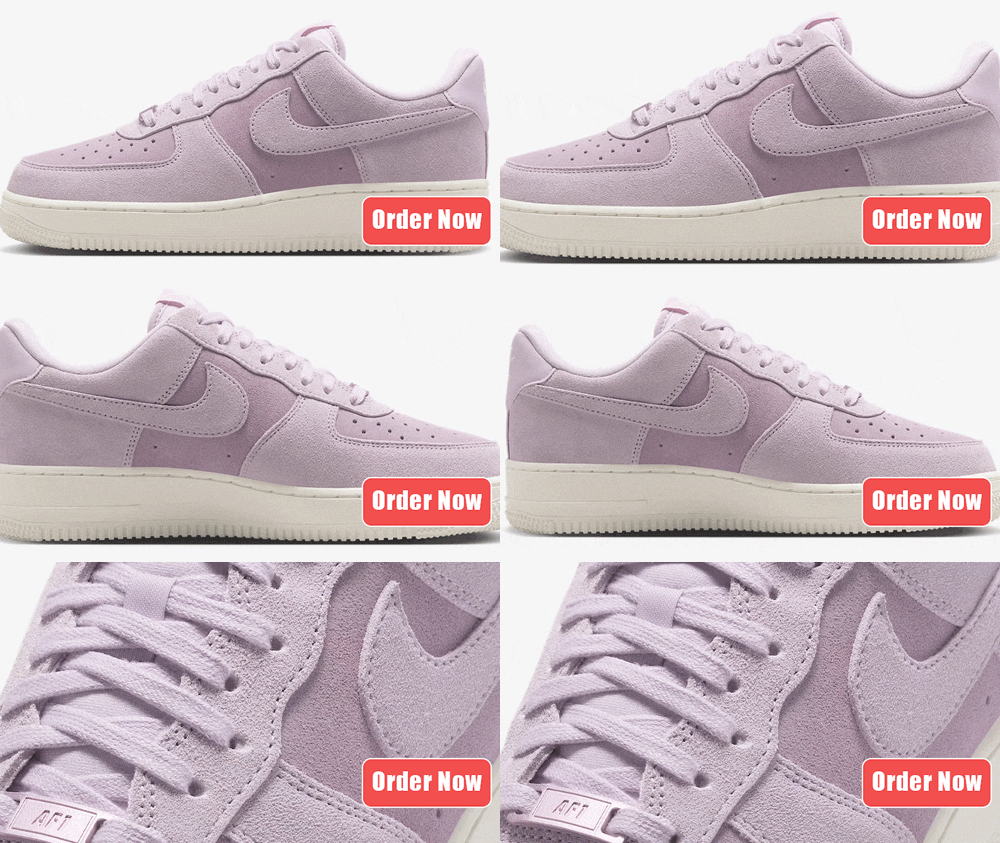
Fans also noticed the absurd shoe stacks and gaming consoles. No surprise—Lil Baby built his summit off street-driven wealth and sneaker culture. But tons of Air Force 1s everywhere, replaced PS5s—makes you ask: is it just flex, or is it careless vandalism?


Is This Remix or Headline Hijack?

Is the Airbnb carnage a real glimpse into celebrity lifestyle—or clever PR to juice anticipation for his next record? Either way, the timing is… suspicious. The whirlwind visuals tied to “Domonique” release week just might be one of rap’s most cinematic marketing moments. Unapologetic mess, big spender energy—definitely memorable.


Wild or Woke?

Lil Baby’s Airbnb admission feels like a mashed‑up moment of carefree celebrity and dangerous detachment.
Was it just a legendary parting gift?
Or a terrifying example of scrambled accountability?

What’s undeniable is the effect:

  • Fans get another layer of Lil Baby’s image—alive, unfiltered, unapologetic.
  • Media gets a juicy scoop—bullets on the floor people read that?
  • Airbnb hosts in Miami? They’re rethinking guest vetting—maybe even doing bullet scans!

Whether you see legend or liability, this saga made Lil Baby unforgettable this month. And with Domonique on the horizon? We’re tuned in and watching closely—just hoping the bullets don’t follow.


Read more Urban news

23
youngboy

STREET HEAT: NBA YoungBoy Films Explosive Music Video on NYC Sidewalk

NBA YoungBoy, born Kentrell Gaulden, turned heads and streets during a surprise video shoot in the heart of New York City. As his buzz for a July 4 album drop builds, the Baton Rouge rapper took to a busy sidewalk to film a raw, cinematic music video. Between dancers, cameras, and curious passersby, the scene became an impromptu block party that went viral across social media.


Spontaneous Sounds on the Sidewalk

YoungBoy was spotted late last week on a Manhattan sidewalk, clad in leather pants, a white tee, leather vest, shades, and his signature bandana. Cameras rolled as “video vixens” danced beside him, giving off a bold, choreographed energy. A crew member shouted, “It’s a movie outchea mane!”—capturing the artist’s infectious smile and mood.

Snapshot reels and VOD clips circulated on Reddit’s r/NBAYoungboy, where fans celebrated seeing him “back out in the streets”. Many noted the footage’s production quality and teased lyrics as indications of a major, authentic comeback.


Building Hype for a July 4 Album

The timing couldn’t be more strategic. YoungBoy teased an album for the Fourth of July on social media earlier this month. With no title or track list yet revealed, fans are piecing together clues—and this NYC footage adds major fuel to the hype bonfire.

On the shoot, he worked with a team and dancers visible in clips, reinforcing the cinematic, high-energy vibe he’s known for. One clip shared highlighted cameraman excitement echoing through the scene.


Media Reacts: Heat from Akademiks & HHL

Backstage commentary came swift:

  • Akademiks TV posted reaction content, praising the visuals and YB’s big return.
  • HipHopLately highlighted a notable detail: “shooting a video… with some ladies of the pole,” sparking debate around artistic expression and explicit aesthetics in public settings.

The footage also reawakened memories of past controversies—YB’s prior weapon display during a Baton Rouge shoot in 2020. Though this NYC shoot remained weapons-free, it stirred conversation.


Fan Reactions on Reddit & Instagram

On Reddit r/NBAYoungboy, excitement buzzed:

“He’s back Omg”
“I fw it”
“We seen everybody with yb except for Mike”

Fans dissected the styling—leather gear, choreography—and speculated if this was a lead single. One even predicted the video drop would match the July 4 album release.

Meanwhile, Instagram snippets posted by user @lillovebaby_—tagged in the shoot captured intimate moments of rapper and dancers, adding to the behind-the-scenes appeal.


YB’s Image: Authentic & Unfiltered

This shoot reinforced YoungBoy’s gritty, real-world brand. He walks out into public spaces with full crew including dancers and cameras blending streetwear swagger with production scale. The choice to film on location connects him to fans and keeps his image raw.


What’s Next?

  • Album Drop on 7/4? The countdown is on, and the video shoot coincides with strong promotional timing.
  • Lead Single Video Release likely arrives soon reactions from YB’s team will clue fans into the rollout.
  • Headlining Tour Kickoff rumored for September adds business momentum following his video’s release.
  • No Weapon Presence this round perhaps a conscious shift after past legal run-ins.

Final Take: Homegrown Hype

NBA YoungBoy’s NYC shoot isn’t just another content drop it’s a statement of urgency and relevance. By filming on the street, he bypasses glossy production for visceral impact, keeping fans and city sidewalks buzzing.

As the July 4 album approaches, this footage isn’t just fuel it’s fire. It reveals a rapper locked in, grounded in everyday streets and poised for an explosive return to the music scene.

As he prepares for a Fourth of July drop, NBA YoungBoy’s presence on NYC sidewalk promises nothing but pure, street-level energy. Stay tuned—this cinematic spark might just ignite the rest of summer.

Make money playing video games!:

click here

Read more Urban news

21

DON’T MISS A BEAT

Be the first to know when our Urban Hotties is released.

We don’t spam! Read our privacy policy for more info.

© Copyright – 2021 The Urban Spotlight –  All Rights Reserved. Privacy Policy   Terms of Service | Find us On