Viewers noticed that the footage used fast cuts, dramatic angles, and editing styles that resembled a video game montage similar to what people often see in titles like Call of Duty.
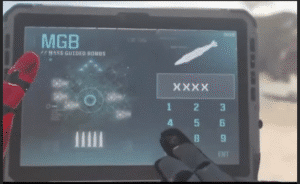
The presentation sparked intense debate across social media platforms. Some viewers praised the video as a powerful display of military capability, while others criticized it, arguing that real-world conflict should not be presented in a way that resembles entertainment.
As the discussion continues to grow, the viral clip has raised broader questions about how governments communicate military actions and how digital media influences public perception of conflict involving iran.
The Video That Sparked Global Reactions
The video released by the White House quickly spread across social media platforms after viewers began sharing clips and screenshots.
The footage reportedly showed strike sequences connected to military operations targeting locations associated with iran. What made the video unusual was the style of editing used to present the footage.
Many viewers pointed out similarities to gaming highlight videos, including:
Because of these choices, some audiences felt the presentation blurred the line between real military events and digital entertainment.
Why The Editing Surprised Viewers
Government military footage is often presented in a straightforward format meant to inform the public or media. However, the editing style used in this video appeared far more cinematic.
For some viewers, the presentation resembled the editing style commonly used in online gaming videos or esports highlight reels.
This similarity led many people to describe the clip as “Call of Duty–style,” referencing the popular military-themed video game series.
The comparison quickly spread online, fueling debate about whether the editing choice was appropriate for footage related to real-world conflict involving iran.
Social Media Explodes With Reactions
Once the video began circulating, reactions flooded social media platforms.
Supporters of the video said:
-
The footage demonstrated military capability
-
The editing made the message clear and impactful
-
Governments often use strong visuals to communicate power
Critics argued:
-
Real conflict should not resemble entertainment
-
The presentation risks trivializing serious events
-
Military actions should be communicated with greater sensitivity
This divide helped the clip trend across multiple platforms within hours.
The Influence of Gaming Culture
One reason the video gained attention so quickly is the growing influence of gaming culture on digital media.
Millions of people around the world are familiar with the visual style of games like Call of Duty, which feature first-person combat scenes, dramatic editing, and mission-style presentations.
Because of this familiarity, viewers quickly recognized similarities between gaming content and the White House montage.
This overlap between gaming aesthetics and real-world events contributed to the shock many people expressed online.
War Imagery in the Digital Age
The viral reaction highlights how modern media has transformed the way war imagery is consumed.
In previous decades, footage of military operations was typically shown through traditional news broadcasts or official press briefings.
Today, however, content spreads through social media platforms where visuals often compete for attention in fast-moving feeds.
This environment sometimes encourages more dramatic editing styles, even when the subject matter involves serious global events.
Messaging and Public Communication
Governments often release military footage to communicate strategic messages.
Such videos can serve several purposes:
-
Informing the public about operations
-
Demonstrating military strength
-
Influencing international perception
In this case, the editing style used in the video added another layer of discussion about how such messaging should be delivered when it involves iran or other geopolitical issues.
The Ethical Debate
One of the biggest questions raised by the video involves ethics in communication.
Critics argue that presenting real-world military strikes in a format resembling entertainment risks minimizing the seriousness of war.
Supporters counter that visual storytelling has always been part of political communication and that modern audiences respond to dynamic media formats.
This debate reflects a larger tension between traditional journalism standards and the realities of digital content distribution.
The Role of Viral Media
Once a clip begins trending online, discussions around it often expand far beyond the original content.
In the case of the video involving iran, social media users began discussing broader topics such as:
-
The portrayal of war in media
-
The influence of gaming culture on public perception
-
The responsibilities of governments when sharing military footage
These discussions helped keep the story circulating across news outlets and online platforms.
Gaming Aesthetics and Real-World Events
The resemblance between the video and gaming montages highlights a broader trend in modern media.
Gaming-style visuals are increasingly common in online videos because they capture attention quickly.
However, when these styles appear in real-world contexts such as military operations involving iran, the results can spark strong reactions.
For many viewers, the combination felt unusual and unsettling.
Why The Keyword “iran” Is Trending
The keyword iran began trending as people searched for the viral video and shared their opinions online.
Because geopolitical issues often attract global attention, any unusual presentation of military activity involving irancan quickly become a major discussion topic.
In this case, the combination of political context and gaming-style editing amplified the interest even further.
The Power of Visual Storytelling
Regardless of whether viewers supported or criticized the video, the reaction demonstrates the power of visual storytelling.
Short clips with strong imagery can shape public conversations quickly, especially when they connect to ongoing global issues.
The viral montage shows how quickly digital media can transform a government release into a worldwide debate.
What Happens Next
As with many viral controversies, attention may eventually shift to new stories. However, debates about media presentation and the portrayal of military action will likely continue.
Future discussions may explore how governments balance transparency, messaging, and sensitivity when sharing footage related to conflicts involving iran or other regions.
The viral video released by the White House featuring strike footage related to iran has sparked a worldwide debate about how real-world military actions should be presented. While some viewers saw the montage as a powerful demonstration of military capability, others criticized the gaming-style editing as inappropriate for serious events.
The controversy highlights a growing challenge in the digital age: balancing impactful visual communication with the responsibility to portray global conflicts respectfully.
👉 Stay connected with the latest updates on this story and more hip-hop news at The Urban Spotlight Homepage.






Leave a Reply
Want to join the discussion?Feel free to contribute!