
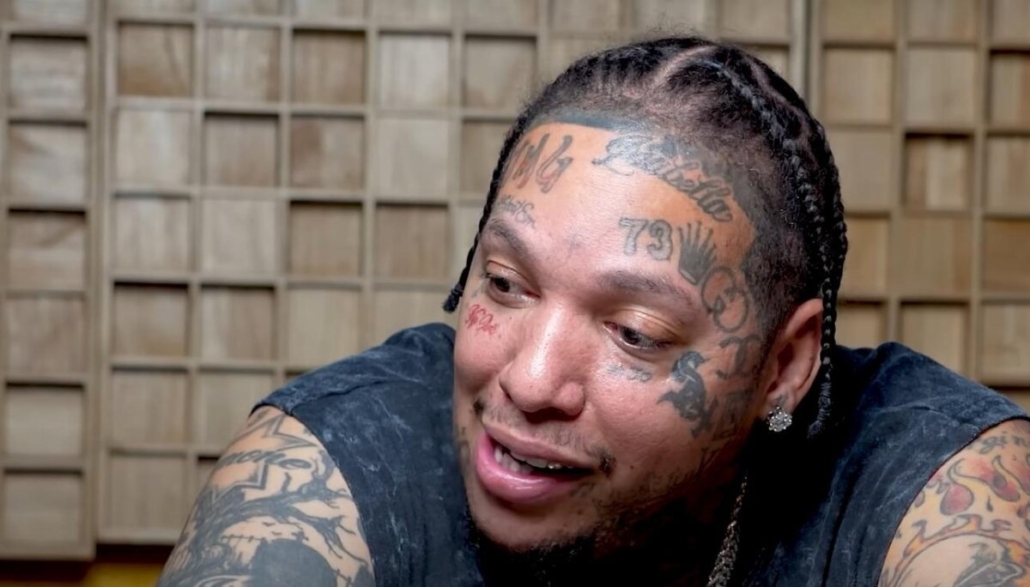
King Yella Steps Into the Spotlight as 1090 Jake Calls Out Rappers
And that’s where the situation starts getting serious.
Because once challenges like this are made publicly, they don’t just stay as content. They start pulling in real responses, real emotions, and sometimes, real consequences.
One of the names now getting attention in this situation is King Yella—and his involvement is adding a whole new layer to the story.
The Shift: From Exposing to Calling Out
1090 Jake built his platform by doing deep dives into rappers’ pasts, legal situations, and street credibility. His content has always been intense, but it stayed within the space of commentary and analysis.
Now, that tone has changed.
Calling someone out to fight is a completely different level.
It moves the conversation from words to potential action.
And that shift is what’s making this situation stand out.
Because when someone with a large audience starts issuing direct challenges, it creates pressure. Not just on the people being called out—but on the entire community watching.
Some see it as entertainment.
Others see it as escalation.
Reactions From the Rap Scene
As expected, the reactions didn’t take long.
Different artists are responding in very different ways—and that’s what’s making this situation unpredictable.
Some rappers are responding aggressively, not even entertaining the idea of a structured fight. Instead, their responses carry a more serious tone, suggesting that they don’t view this as content.
Others, however, are leaning into it.
And that’s where King Yella comes in.
King Yella’s Position: Ready for the Spotlight
King Yella is no stranger to controversy or confrontation. Coming from Chicago’s drill scene, he has a history of being vocal, direct, and unafraid to step into conflict.
So when a situation like this arises, it’s not surprising that his name gets involved.
But what makes his position interesting is the tone.
While some are reacting with anger or threats, King Yella appears more open to the idea of actually stepping into a controlled environment—a ring, a fight setting, something structured.
That creates a different narrative.
Because now, instead of pure chaos, there’s the possibility of an organized confrontation.
And in today’s content-driven world, that’s something audiences pay attention to.
Fighting vs Clout: What’s the Real Motivation
One of the biggest questions surrounding this situation is intent.
Is this about settling issues?
Or is this about attention?
In the current digital landscape, conflict generates views. Drama drives engagement. And public callouts often lead to viral moments.
So when someone like 1090 Jake starts calling out rappers, it naturally raises questions.
Is this genuine?
Or is it strategic?
The same question applies to those responding.
For some, stepping into the situation could mean proving something.
For others, it could be an opportunity to gain visibility.
And for audiences, it becomes difficult to separate reality from performance.
The Role of the Audience
Another important factor in all of this is the audience.
Because without viewers, none of this gains traction.
Every comment, share, and reaction adds fuel to the situation.
When people start picking sides, debating outcomes, and pushing narratives, it amplifies everything.
And that’s exactly what’s happening here.
Some people are supporting 1090 Jake, saying he’s standing on what he says and not backing down.
Others are backing rappers like King Yella, saying they’re ready to respond and not just talk.
This division keeps the situation alive.
And the more attention it gets, the more likely it is to escalate further.
When Things Turn Real
The biggest concern in situations like this is the possibility of things going beyond the internet.
Because once challenges are made publicly, backing down becomes harder.
Reputation comes into play.
Ego becomes a factor.
And suddenly, what started as content can turn into something real.
That’s why the difference between “talk” and “action” matters so much here.
If this stays online, it remains entertainment.
If it moves offline, the consequences change completely.
The Influence of Street Culture
It’s also important to understand the cultural background behind these reactions.
In hip-hop, especially within drill and street-influenced scenes, respect and image play a huge role.
Being called out publicly isn’t just a casual moment—it can be seen as a challenge to credibility.
And that’s why responses tend to be strong.
For someone like King Yella, stepping into the situation isn’t just about the moment—it’s about maintaining presence and reputation.
That’s what makes these situations more intense than typical internet drama.
Possible Outcomes
At this stage, there are a few ways this situation could play out:
1. It Stays Online
The situation remains in the realm of content—videos, responses, and discussions. No actual fights happen, and it fades over time.
2. A Controlled Fight Happens
Someone like King Yella steps into a structured setting, turning the situation into an organized event. This would likely attract massive attention.
3. It Escalates Unpredictably
The situation goes beyond controlled environments and becomes something more serious, which could lead to real-world consequences.
Each of these outcomes carries different implications.
And right now, it’s unclear which direction things will go.
The Bigger Picture
Situations like this highlight a larger trend in digital culture.
Content is no longer just about entertainment—it’s about reaction.
The more intense the situation, the more attention it gets.
And creators are aware of that.
That’s why lines continue to blur between performance and reality.
Between content and conflict.
Between storytelling and real-life consequences.
👉 Stay connected with the latest updates on this story and more hip-hop news at The Urban Spotlight Homepage.




Leave a Reply
Want to join the discussion?Feel free to contribute!