
42 Dugg Explodes On Detroit Podcasters — “Don’t Speak On My Family!”
A heated moment involving rapper 42 Dugg has gone viral after the artist publicly called out several podcasters and bloggers from Detroit. The rapper made it clear that he believes certain creators crossed a line by discussing his family and what he described as local street matters.
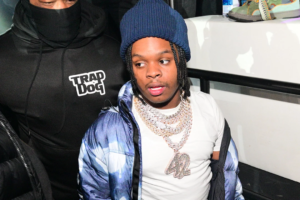
In a passionate message, 42 Dugg warned that talking about people’s families for online content goes too far. According to him, podcasters looking for views are sometimes pushing narratives that create unnecessary drama in the city.
The clip quickly spread across social media, sparking a debate about whether bloggers are simply reporting news or if they are stirring up conflict for engagement.
What Triggered the Reaction
The controversy started after several podcast discussions began circulating online that reportedly mentioned people connected to 42 Dugg.
While commentary about rappers is common in hip-hop media, the situation became more serious when family members were brought into the conversation.
That’s when 42 Dugg decided to respond.
In his statement, the rapper expressed frustration with creators he believes are trying to use personal issues as entertainment. He emphasized that discussing families and street topics connected to Detroit can lead to real-world consequences.
Dugg’s Message to Podcasters
In the viral clip, the rapper delivered a clear message to bloggers and podcasters.
He argued that some creators are trying to provoke reactions by discussing street-related issues they don’t fully understand. According to him, bringing family members into those conversations is especially disrespectful.
Dugg also suggested that people who want to create controversial content should consider doing it somewhere else rather than involving people from his city.
His message was direct: there are certain topics that shouldn’t be used for online views.
The Tension Between Rappers and Media
Situations like this highlight a growing tension between hip-hop artists and online media creators.
Podcasts and blogs have become major platforms for discussing music, culture, and celebrity news. Many creators analyze rap lyrics, street stories, and industry drama to attract audiences.
However, some artists believe those discussions can cross a line when they involve personal lives or street affiliations.
For artists connected to cities with deep local histories like Detroit, the stakes can feel even higher.
Why the Clip Went Viral
The moment gained traction quickly because it touched on several major topics that audiences already debate.
These include:
• The responsibility of bloggers and podcasters
• The role of media in hip-hop culture
• Whether street issues should be discussed publicly
• The limits of commentary about artists’ personal lives
Because the conversation involved both internet media and real-world reputations, it immediately attracted attention.
The Rise of Hip-Hop Podcasts
In recent years, podcasts have become one of the most influential forms of media in hip-hop.
Platforms on YouTube, Spotify, and social media allow creators to analyze everything from new music releases to industry conflicts.
Many fans rely on these podcasts for updates, opinions, and entertainment.
But as the audience grows, so does the impact of what is said on these platforms.
Comments made during a podcast episode can quickly become viral clips shared across the internet.
The Debate: Reporting vs. Instigating
The situation has sparked a larger debate about the role of online media.
Supporters of bloggers argue that discussing public figures is part of journalism and commentary. Once artists share aspects of their lives publicly, they say it becomes fair for media outlets to analyze those topics.
Others believe creators should avoid topics that could potentially cause real-world problems.
For critics of the podcast discussions, mentioning families and street affiliations crosses a line between reporting and instigating.
Street Culture and Public Conversation
Hip-hop culture has always been closely connected to real-life experiences and community stories.
However, when those stories involve ongoing conflicts or personal relationships, discussing them publicly can become controversial.
Artists sometimes feel that outsiders may misunderstand the context behind certain situations.
For someone like 42 Dugg, whose identity is strongly connected to Detroit, protecting his family and reputation may feel more important than responding to internet debates.
Social Media Amplifies Everything
One major factor in situations like this is the speed at which social media spreads information.
A single clip can reach millions of viewers within hours.
Once a video starts trending, thousands of people begin reacting, sharing opinions, and creating their own commentary.
This amplification often makes conflicts appear bigger than they originally were.
In the case of the recent comments, social media helped transform a message aimed at podcasters into a nationwide conversation.
Fan Reactions
Fans have been divided in their responses to the situation.
Some viewers support the rapper’s stance, arguing that families should never be brought into online discussions.
Others believe that podcasts and blogs are simply doing their job by talking about trending topics.
Typical reactions online include:
• Support for protecting family privacy
• Criticism of bloggers discussing street issues
• Arguments that public figures are open to commentary
• Debate about media responsibility in hip-hop
Because both perspectives have strong supporters, the conversation continues spreading online.
A Larger Issue in Hip-Hop Media
The situation reflects a larger shift in hip-hop media.
Traditional journalism once controlled most music coverage. Today, independent podcasters and YouTubers play a major role in shaping conversations.
This change has created new opportunities for voices in the culture but has also introduced new tensions between artists and commentators.
Some rappers appreciate the exposure podcasts provide.
Others feel those platforms sometimes prioritize viral moments over responsible discussion.
What Happens Next
At the moment, the controversy appears to be part of a broader online debate rather than a specific conflict between individuals connected to Detroit.
It remains unclear whether the podcasters involved will respond to the rapper’s comments.
However, the discussion about media responsibility in hip-hop is likely to continue, especially among creators covering stories connected to Detroit.
As podcasts grow in influence, artists and creators will probably keep negotiating the boundaries between commentary and respect.
Conclusion
42 Dugg’s message to podcasters has reignited an ongoing conversation about how hip-hop culture is discussed online. While bloggers and podcasters often see themselves as reporters or commentators, some artists believe certain topics should remain off-limits.
The viral moment shows how quickly social media can turn a local disagreement into a national debate. It also highlights the complicated relationship between artists and the media platforms that cover them.
For now, fans continue arguing about where the line should be drawn.
Should bloggers stay out of street-related conversations, or is everything fair game once it becomes public?
👉 Stay connected with the latest updates on this story and more hip-hop news at The Urban Spotlight Homepage.