

Johnny Knoxville Reveals the Shocking Moment That Ended Fear Factor (1 Unbelievable Story)
For years, Fear Factor lived in pop culture as one of the most extreme reality shows ever put on television. Eating insects, dangling from helicopters, surviving physical and psychological torture — nothing seemed off-limits. Or so viewers thought.
That’s why a recent conversation involving Johnny Knoxville and Joe Rogan has reignited interest in how Fear Factor actually ended — and why one specific moment was so extreme it forced network executives to shut everything down.
This wasn’t about low ratings.
It wasn’t about budget issues.
And it definitely wasn’t about the audience losing interest.
According to Rogan, Fear Factor crossed a line that television simply couldn’t walk back from.
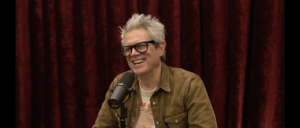
Fear Factor Was Built on Pushing Limits
When Fear Factor premiered in the early 2000s, it felt revolutionary. The concept was simple but brutal: take ordinary people, put them through terrifying and disgusting challenges, and reward the strongest with cash.
Joe Rogan, who hosted the show for years, became the calm voice guiding contestants through absolute chaos. Viewers tuned in weekly not just to see who would win, but to see how far humans could be pushed before quitting.
At the time, television was in an era where shock value ruled. Reality TV was still evolving, and networks were eager to outdo one another with bigger stunts and more extreme content. Fear Factor became the benchmark for “how far is too far.”
The answer, it turns out, came faster than anyone expected.
The Johnny Knoxville Conversation That Reopened the Story
During Rogan’s conversation with Johnny Knoxville — a man who built his own career on dangerous stunts and pushing physical boundaries — the topic of Fear Factor naturally came up.
Knoxville understood risk. He understood shock television. And that’s exactly why Rogan’s explanation hit harder.
Rogan revealed that Fear Factor wasn’t canceled because it stopped being popular. It was canceled because one challenge crossed into territory that even hardened TV executives couldn’t justify airing.
The way Rogan told it wasn’t dramatic. In fact, it was casual — almost disbelief mixed with hindsight. That tone made the story even more unsettling.
The Challenge That Ended Everything
According to Rogan, the infamous moment involved a challenge so graphic and disturbing that it triggered immediate alarm inside the network.
Without repeating unnecessary details, the stunt reportedly involved contestants consuming something that went far beyond insects or animals — crossing into a category that raised serious ethical and broadcast concerns.
This wasn’t about fear anymore.
It wasn’t about entertainment.
It was about decency, legality, and public backlash.
Once executives saw the footage, the decision was instant. That episode would never air. And not long after, Fear Factor itself was quietly put to rest.
There was no big press release. No dramatic farewell. Just an understanding behind the scenes that the line had been crossed.
Why Ratings Didn’t Matter Anymore
What shocked fans most was learning that Fear Factor wasn’t struggling when it ended. It still had an audience. It still generated conversation. And Joe Rogan was still one of television’s most recognizable hosts.
But television operates on limits — and those limits aren’t always about money.
Networks answer to advertisers, regulators, and public standards. Once something threatens all three, success no longer protects a show.
In Rogan’s words, the moment was so severe that executives didn’t debate it. They didn’t re-edit it. They didn’t try to spin it.
They shut it down.
Johnny Knoxville’s Perspective Makes It Even Wilder
What makes this story more fascinating is Johnny Knoxville’s presence in the conversation. As the face of Jackass, Knoxville had done things on camera that most people would never attempt.
If anyone could shrug off extreme content, it would be him.
Yet even Knoxville seemed surprised by how far Fear Factor went.
That reaction says everything. When someone who built a career on controlled chaos finds a TV moment too much, it highlights how uncharted the territory was.
How Different Television Was Back Then
This story also exposes how different television culture used to be.
In the early 2000s:
-
Standards were looser
-
Shock was currency
-
Reality TV had fewer guardrails
Networks were experimenting in real time, often discovering limits only after crossing them.
Today, that challenge would never be approved. Not in pre-production. Not in concept. Not even as a joke.
But back then, Fear Factor lived in a space where “let’s see what happens” was an actual production strategy.
Why the Episode Will Never See the Light of Day
Fans often ask if the lost Fear Factor episode will ever leak. Rogan’s explanation makes it clear why that’s unlikely.
The footage isn’t just shocking — it’s damaging. Airing it now wouldn’t bring nostalgia; it would bring backlash. Networks protect themselves by ensuring certain moments stay buried.
That episode isn’t lost because it’s forgotten.
It’s lost because it’s deliberately hidden.
Fear Factor Became a Legend Because It Ended This Way
Ironically, this ending is why Fear Factor remains legendary.
Instead of slowly fading out, it ended with a story so outrageous that people are still talking about it decades later. The mystery added to its status.
It didn’t overstay its welcome.
It didn’t get rebooted into irrelevance.
It ended because it went too far.
And in television history, that’s rare.
The Internet Reacts All Over Again
Once Rogan’s explanation resurfaced online, reactions flooded social media.
Some viewers said:
-
“That’s what Fear Factor was supposed to be.”
-
“TV is too soft now.”
-
“I can’t believe that even got approved.”
Others argued:
-
“Some lines shouldn’t be crossed.”
-
“Entertainment doesn’t excuse everything.”
-
“Canceling it was the right call.”
The split reaction proves how powerful the story still is.
Why Johnny Knoxville’s Name Matters Here
The keyword connection isn’t accidental. Johnny Knoxville represents a parallel path in entertainment — one where danger, consent, and spectacle walk a fine line.
But Jackass always emphasized choice and awareness. Fear Factor, at its worst moment, reportedly blurred that line.
That distinction matters.
Knoxville’s presence helps contextualize why this wasn’t just “another extreme stunt.” It was something different — something that didn’t sit right even by early-2000s standards.
One Moment Can End Everything
The biggest takeaway from this story is simple but brutal: it only takes one moment.
Years of success.
Hundreds of episodes.
Millions of viewers.
All ended by one challenge that went too far.
That reality applies beyond television — to careers, platforms, and public figures everywhere.
Final Thoughts
The conversation between Johnny Knoxville and Joe Rogan didn’t just explain why Fear Factor ended. It reminded people how fragile the line between entertainment and excess really is.
Fear Factor didn’t fail.
It didn’t fade.
It detonated.
And maybe that’s why it still lives on in pop culture — not as a relic, but as a warning.
So now the real question remains:
Did Fear Factor cross the line… or did television finally draw one?
Let us know your take — and stay locked in with The Urban Spotlight for more stories pulled straight from behind the curtain.
👉 Stay connected with the latest updates on this story and more hip-hop news at The Urban Spotlight Homepage.