
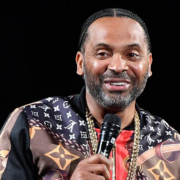
Mike Epps’ Apology Sparks Wild Roast — Comedians Turn It Into Pure Madness!
Sometimes the internet plans for drama — but comedy takes over instead. That’s exactly what happened after Mike Epps posted an apology video that was expected to calm things down. Instead, it turned into something completely different: a viral wave of jokes, sarcasm, and playful roasting from fellow comedians.
What started as a serious moment quickly shifted into full comedy mode as comedians and creators began posting their own reactions, mock apologies, and hilarious commentary. Rather than escalating into conflict, the situation transformed into a shared joke — showing how quickly humor can reshape internet narratives.
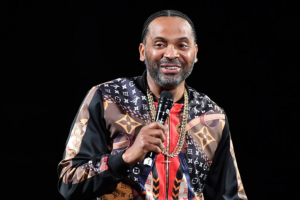
Fans watched the back-and-forth unfold in real time. Every new post seemed to raise the energy, turning what could have been controversy into one of the funniest online moments of the week.
This full blog breaks down how the situation started, why comedians reacted the way they did, and how the internet turned a simple apology into a comedy event.
The Apology That Started Everything
The story began when Mike Epps shared a video apology meant to address recent online discussions. The tone was calm and straightforward, clearly aimed at resolving tension and moving forward.
However, in the world of comedy, serious moments rarely stay serious for long.
Soon after the video was posted, other comedians began reacting — not with criticism, but with humor. That shift changed the entire direction of the conversation.
Key reasons the moment caught attention:
-
The apology felt sincere
-
Comedians quickly jumped into the conversation
-
Humor replaced seriousness almost instantly
-
Fans began sharing clips across platforms
Within hours, the narrative had completely changed.
When Comedians Enter the Chat
Comedy communities often operate differently than other online spaces. Instead of responding with tension, comedians frequently use jokes to break the mood — even when topics start serious, which is exactly what happened after Mike’s apology started making rounds online.
As reactions rolled in, fellow comedians began posting:
-
Mock apology videos
-
Playful call-outs
-
Sarcastic “sorry” messages
-
Over-dramatic reenactments
Each response added another layer of humor, turning the situation into a growing chain reaction, with Mike becoming the center of a full comedy wave across social media.
The Internet Loves a Good Roast
Roasting has long been part of comedy culture. It’s often playful rather than hostile, meant to entertain rather than attack.
Fans quickly understood the tone and began treating the entire situation like a live comedy sketch unfolding online.
Why the roast worked so well:
-
Everyone seemed in on the joke
-
The tone stayed lighthearted
-
Reactions felt spontaneous
-
Humor replaced drama
Instead of division, audiences mostly responded with laughter.
Mike’s Role in the Viral Moment
Even though the jokes took over, Mike remained at the center of the conversation. Clips of his apology continued circulating alongside reaction videos, keeping his name trending across social media.
Some fans noted that moments like this highlight a unique strength in comedy culture — the ability to turn tension into entertainment.
Rather than escalating negativity, the situation became a shared laugh.
Social Media Turns Chaos Into Entertainment
Platforms like Instagram, TikTok, and X played a huge role in spreading the jokes. Short clips made the moment easy to share, and reaction videos multiplied rapidly.
Common trends included:
-
Split-screen reaction edits
-
Meme captions
-
Dramatic voiceovers
-
Parody apologies
Every new post encouraged more participation, turning the story into a community-driven comedy event.
Why Humor Changed the Narrative
In many online situations, apologies lead to long debates or criticism. But here, humor flipped the narrative completely.
Instead of focusing on what went wrong, audiences focused on the entertainment value.
This shift shows how comedy can:
-
Defuse tension
-
Change public perception
-
Encourage positive engagement
The result was a rare internet moment where laughter overshadowed conflict.
Fans React: Pure Entertainment
Viewers quickly embraced the chaos, flooding comment sections with jokes and reactions.
Common fan responses included:
-
“Only comedians could do this”
-
“This is better than a comedy special”
-
“The internet wins again”
Many people said the unpredictable back-and-forth felt refreshing compared to typical online drama.
The Art of the Mock Apology
One of the funniest trends involved comedians posting exaggerated apology videos of their own.
These mock apologies typically included:
-
Overly dramatic delivery
-
Fake seriousness
-
Intentional confusion
-
Absurd reasons for apologizing
The parody format became a central part of why the moment went viral.
Comedy Culture and Friendship
Another reason the situation stayed lighthearted is the sense of community within comedy circles. Roasting often signals comfort and familiarity rather than hostility.
Fans recognized this dynamic and interpreted the jokes as playful rather than mean-spirited.
This kept the tone positive and entertaining.
Why the Internet Couldn’t Look Away
The story had several ingredients that make viral moments successful:
-
A recognizable celebrity at the center
-
Unexpected reactions
-
Rapid participation from others
-
Constant escalation of humor
Each new joke encouraged audiences to keep watching, waiting to see what happened next.
The Line Between Drama and Comedy
One interesting takeaway is how thin the line can be between serious moments and comedy online.
What began as an apology quickly became:
-
A shared joke
-
A meme cycle
-
A collaborative comedy moment
This transformation shows how internet culture constantly reshapes stories based on audience response.
Mike and the Power of Timing
Timing plays a huge role in comedy. Whether intentional or accidental, the timing of reactions helped turn this into a viral event.
Each new response arrived quickly, keeping momentum strong and giving fans something new to watch.
Lessons From the Viral Moment
Beyond laughs, the situation highlighted a few bigger ideas:
-
Humor can de-escalate tension
-
Communities shape narratives together
-
Comedy thrives on spontaneity
These lessons explain why the story felt so different from typical online controversies.
Will Moments Like This Keep Happening?
As social media continues evolving, situations like this may become more common. Comedians are increasingly using platforms to interact directly, creating real-time comedy moments.
This could lead to:
-
More collaborative online humor
-
Instant reaction content
-
Live comedy-driven storytelling
Fans clearly enjoy this style of interaction.
Bottom Line
What started as a simple apology quickly transformed into one of the funniest online moments of the week. Instead of conflict, comedians turned the situation into a playful roast filled with jokes, mock apologies, and nonstop humor.
The viral response proved something important: when comedy takes over, seriousness doesn’t always last — and sometimes the internet chooses laughter over drama.
Whether you followed every joke or just watched the chaos unfold, one thing is clear: the moment showed exactly why comedy thrives online — unpredictable, fast, and impossible to ignore.
👉 Stay connected with the latest updates on this story and more hip-hop news at The Urban Spotlight Homepage.