Posts

🚨 Mike Epps Walks It ALL Back: Public Apology to Nicki Minaj Shakes Comedy World 👀

The comedy world — and the internet at large — was thrown into debate mode after Mike Epps issued a public apology to Nicki Minaj, walking back explicit jokes he made during a recent stand-up performance. What might have once stayed inside a comedy club now lives permanently online, and the backlash was immediate.

Instead of deflecting or doubling down, Epps chose a different route: accountability.
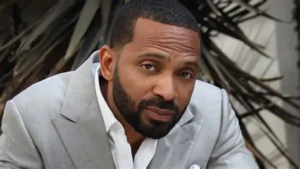
Mike Epps


The Joke That Sparked the Backlash

During a recent stand-up set, Mike Epps made sexually explicit remarks involving Nicki Minaj. Clips and descriptions of the joke quickly spread online, with many fans calling the comments disrespectful, unnecessary, and out of line — especially given Nicki’s status not just as an artist, but as a wife and mother.

Social media didn’t waste time reacting. Timelines filled with criticism questioning whether shock-value comedy still has a place when it crosses into personal territory. For many, the issue wasn’t humor — it was respect.


Mike Epps Responds: “Mr. Accountability”

As the criticism grew louder, Mike Epps addressed the situation directly. In a public statement, he apologized to Nicki Minaj and went a step further by apologizing to her family as well. He referred to himself as “Mr. Accountability,” making it clear that he wasn’t trying to excuse the joke as “just comedy.”

That response immediately shifted the tone of the conversation.

Instead of a prolonged back-and-forth, Epps acknowledged that he crossed a line and owned the moment — something many people felt was rare in today’s viral outrage cycle.
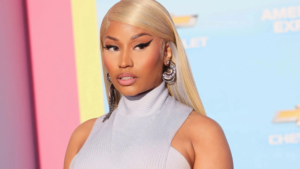
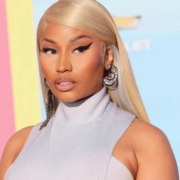
Nicki


Why This Apology Hit Differently

Public apologies often feel scripted or forced, but this one landed differently for a lot of viewers. Mike Epps didn’t frame himself as a victim of cancel culture. He didn’t blame sensitivity or misunderstanding. He simply admitted fault.

That approach earned him praise from some fans, who saw the apology as mature and necessary. Others still felt the damage was already done — but even they acknowledged that taking responsibility mattered.

In a digital era where people often refuse to back down, the apology stood out.


Nicki Minaj’s Name Carries Weight

Part of why this situation became so explosive is who it involved. Nicki Minaj isn’t just another celebrity — she’s a cultural icon with one of the most loyal fanbases in music. When her name enters a controversy, it rarely stays small.

Using the keyword nicki here matters, because this wasn’t just about a joke — it was about how female artists, especially powerful ones, are spoken about publicly. Many fans argued that Nicki has spent years dealing with unnecessary sexualization and disrespect disguised as humor.

This moment reopened those conversations.


Comedy vs Respect: Where Is the Line?

The biggest debate that followed wasn’t about Mike Epps alone — it was about comedy itself.

Some argued that comedy should be fearless, provocative, and uncensored. Others countered that freedom doesn’t mean immunity from criticism, especially when jokes target real people in explicit ways.

This situation reignited long-standing questions:

  • Should comedians have limits?

  • Does context matter more than intent?

  • When does a joke stop being funny and start being harmful?

There’s no single answer — but this moment forced the conversation back into the spotlight.


Fans React: Praise, Criticism, and Division

Reactions across social media were mixed.

Supporters of Epps applauded the apology, saying it showed growth and self-awareness. They argued that acknowledging mistakes is more important than pretending they never happened.

Critics remained firm, saying the joke shouldn’t have been made in the first place and that apologies don’t erase impact. Some felt that comedians often rely on apology cycles instead of changing behavior.

Still, even critics admitted that accountability is better than silence.


Why This Moment Matters in Today’s Culture

This incident reflects a broader cultural shift. Jokes that once passed without scrutiny are now examined in real time, shared across platforms, and debated publicly. The audience isn’t passive anymore — it responds immediately.

For public figures, that means every word carries weight.

Mike Epps’ apology wasn’t just about Nicki Minaj — it was about adapting to a world where intent, impact, and responsibility all matter at once.


Nicki’s Silence — and Its Impact

Notably, Nicki Minaj has not publicly responded to the apology. That silence has been interpreted in different ways. Some see it as grace. Others see it as choosing not to engage.

Either way, the absence of a response didn’t slow the conversation. If anything, it kept the focus on accountability rather than escalation.


Comedy in the Age of Accountability

This moment may not end debates about comedy boundaries, but it adds an important example to the discussion. Humor evolves with culture, and comedians are increasingly being asked to balance freedom with awareness.

Mike Epps’ choice to apologize rather than defend the joke signals that even seasoned comedians are recognizing that shift.

Whether people agree with it or not, the landscape is changing.


Final Thoughts: A Moment Bigger Than a Joke

This wasn’t just a viral apology — it was a cultural checkpoint. Mike Epps’ decision to publicly apologize to nickiMinaj forced conversations about respect, responsibility, and the power of words in entertainment.

Comedy will always push boundaries. But moments like this remind everyone that boundaries aren’t imaginary — they’re shaped by people, context, and consequences.

In the end, this wasn’t about canceling a comedian or protecting an artist.
It was about recognizing when something went too far — and owning it.

And in today’s internet-driven culture, accountability may be the loudest punchline of all. 👀🔥

26

Nicki Minaj’s Grammy History Triggers Explosive Ritual Allegations

Few artists in modern music can ignite conversation as instantly — or as intensely — as Nicki Minaj. When Nicki speaks, the internet listens, dissects, debates, and often divides itself in the process. That reality was on full display once again after recent comments about the Grammy Awards resurfaced long-standing frustrations and ignited a wave of online speculation, including controversial claims hinting at hidden rituals and secret practices within the awards institution.

What began as commentary about recognition and history quickly expanded into a cultural clash that now stretches far beyond music. Supporters say Nicki is speaking her truth after years of being overlooked. Critics argue the conversation has veered into reckless speculation. Either way, award season has once again become a battleground — and the discourse refuses to fade.

nicki


Nicki and the Grammys: A Complicated, Emotional History

To understand why this moment exploded the way it did, you have to understand Nicki Minaj’s history with the Grammys. From the beginning of her career, Nicki has been a dominant force in hip-hop and pop culture. Her influence reshaped female rap, expanded mainstream expectations, and created a blueprint countless artists followed.

Yet despite chart dominance, cultural impact, and record-breaking success, many fans believe Nicki’s Grammy recognition has never matched her influence. Over the years, snubs, losses, and controversial category placements have fueled resentment — not just from Nicki herself, but from a fanbase that sees her as foundational to modern music.

Every Grammy season reopens those wounds.

So when nicki revisited her Grammy history publicly, it wasn’t a new complaint — it was a familiar frustration resurfacing in a moment already charged with emotion.


The Comments That Reignited the Firestorm

Nicki’s recent remarks didn’t come in the form of a long speech or official statement. They came as commentary — reflective, pointed, and open to interpretation. That ambiguity is exactly what allowed the internet to take the conversation in unexpected directions.

Almost immediately, fans began analyzing her words, searching for deeper meaning. Some interpreted her comments as frustration with the voting process. Others saw them as a broader critique of the music industry’s power structures.

Then came the shift.

Online speculation began framing Nicki’s frustration through a darker lens — one that suggested hidden rituals, secret gatekeeping, and unseen forces influencing Grammy outcomes. While nicki herself did not explicitly claim the existence of rituals, the idea took on a life of its own through social media interpretation.

And once that door opened, it couldn’t be closed.


How “Ritual” Allegations Took Over the Narrative

It’s important to be clear: the ritual allegations are online speculation, not proven facts. They grew organically through fan interpretation, conspiracy-minded commentary, and long-standing distrust of major institutions.

Why did these ideas spread so fast?

Because award shows already face skepticism. Over the years, the Grammys have been criticized for lack of transparency, inconsistent voting, genre bias, and perceived favoritism. Each controversy chips away at trust, making audiences more receptive to alternative explanations — even extreme ones.

Nicki’s comments landed in that climate.

The word ritual became shorthand for something larger: power, control, and exclusion. Whether people believed it literally or symbolically, the term captured frustration with systems that feel opaque and unaccountable.


Supporters: “Nicki Is Finally Saying What Others Won’t”

For Nicki’s supporters, the reaction was immediate and fierce. They argued that her words reflect years of being dismissed despite undeniable influence. To them, the ritual conversation isn’t about ceremonies or secret rooms — it’s about systemic bias and unspoken rules that determine who gets rewarded.

Many fans pointed out:

  • Nicki’s impact on female rap is undeniable

  • Her commercial success rivals Grammy favorites

  • Recognition hasn’t matched influence

In that context, supporters say nicki questioning the system isn’t reckless — it’s overdue.

They view her comments as a challenge to an institution that often lags behind culture rather than reflecting it.


Critics Push Back: “This Is Reckless Speculation”

On the other side, critics expressed concern that the conversation crossed a line. While many agree the Grammys deserve criticism, they argue that framing frustration through ritual language fuels misinformation and distracts from legitimate critiques.

Their concern isn’t about defending the Grammys — it’s about keeping discourse grounded.

Critics argue:

  • Award processes can be flawed without being conspiratorial

  • Vague statements invite dangerous interpretations

  • Structural bias deserves discussion without sensationalism

To them, the ritual narrative overshadows real conversations about reform, transparency, and representation.


Why These Allegations Keep Resurfacing Every Year

This isn’t the first time ritual-like language has appeared around award shows. Similar claims surface almost every year, especially when beloved artists are snubbed.

Why?

Because awards symbolize validation.

When fans feel their favorite artists are ignored, they search for explanations. Sometimes those explanations are institutional. Sometimes they’re emotional. And sometimes, they become conspiratorial.

Nicki’s influence magnifies this effect. When nicki speaks, millions listen — and millions interpret.


The Grammys as a Symbol, Not Just a Show

At this point, the Grammys represent more than trophies. They symbolize:

  • Industry approval

  • Cultural legitimacy

  • Historical record

When artists like nicki feel excluded from that record, the frustration isn’t just personal — it’s cultural. Fans don’t just want awards; they want acknowledgment of impact.

That’s why Grammy discourse always escalates. It’s never just about music.


Social Media: Where Interpretation Becomes Reality

Social media accelerated this controversy at lightning speed. Short clips, screenshots, reaction videos, and threads transformed nuanced commentary into simplified narratives.

Some creators framed Nicki’s words as symbolic truth. Others treated ritual allegations literally. Algorithms rewarded the most extreme takes, pushing nuance to the margins.

Once the narrative reached that stage, it stopped being about what nicki said — and became about what people believed she meant.


Nicki’s Silence and Its Effect

Notably, Nicki did not clarify or walk back the interpretations. That silence became part of the story.

For supporters, silence meant confidence.
For critics, it meant irresponsibility.

But in internet culture, silence often fuels speculation more than statements ever could.


Beyond Nicki: A Larger Industry Problem

This controversy isn’t just about nicki. It reflects a growing distrust of institutions across entertainment, politics, and media. Audiences no longer accept authority at face value.

Award shows, once seen as definitive, are now viewed as subjective, political, and inconsistent. Nicki’s comments didn’t create that distrust — they exposed it.


The Cost of Ambiguity in the Digital Age

Ambiguity is powerful — but dangerous.

Nicki’s words were open-ended, which allowed fans to project meaning. That projection turned into belief for some, outrage for others, and endless debate for everyone.

In the digital age, artists don’t control narratives — audiences do.


Is This About Rituals — Or Recognition?

Strip away the sensational language, and the core issue remains unchanged: recognition.

Fans want their icons acknowledged. Artists want their influence respected. Institutions struggle to keep up with evolving culture.

Nicki Minaj sits at the center of that tension.


Final Thoughts: Nicki, the Grammys, and an Unfinished Conversation

Whether you see this moment as truth-telling or reckless speculation, one thing is undeniable: nicki once again dominated the cultural conversation without releasing a single song.

Her Grammy history, frustrations, and influence turned award season into a cultural battleground — one that exposes deeper questions about power, validation, and belief.

The ritual allegations may fade.
The debates may quiet down.

But the distrust, the frustration, and the demand for accountability will return — just like they do every Grammy season.

As long as artists like Nicki Minaj continue to challenge institutions, these conversations won’t end. Because awards aren’t just about music anymore.

They’re about who gets remembered — and who decides.

20

From Grammys to God Talk: Nicki Minaj’s Explosive Rant Sparks Major Backlash

A growing controversy surrounding Nicki Minaj has pushed the internet into one of its most uncomfortable conversations in recent memory — one that blends music, religion, conspiracy, and accountability. What began as criticism of the Grammy Awards has now expanded into a debate about influence, consistency, and the responsibility that comes with having one of the largest fanbases in the world.

This moment isn’t unfolding like a typical celebrity disagreement. It’s heavier. And it’s forcing people — fans and critics alike — to slow down and ask difficult questions.

Nicki


How the Conversation Started

Nicki Minaj initially spoke out about the Grammy Awards, suggesting that dark forces, hidden rituals, and corrupt systems operate behind the scenes. Her language was deeply religious, framing the issue as a spiritual battle and positioning herself as someone exposing wrongdoing.

She invoked God, judgment, and morality — presenting her comments not simply as industry criticism, but as a warning. For some listeners, it sounded like conviction. For others, it raised immediate concern.

The tone marked a sharp shift from how Nicki had spoken about the Grammys in the past.


The Contradiction That Fueled Backlash

Critics were quick to point out something that couldn’t be ignored. For years, Nicki openly expressed how much winning a Grammy mattered to her. In earlier interviews, she described the award as the pinnacle of success — something artists strive for their entire careers.

That history is well-documented.

Nicki has been nominated multiple times over more than a decade, yet has never won. Because of that context, many viewers felt her recent comments didn’t come across as revelation — but as frustration finally boiling over.

This is where accusations of flip-flopping began. Not because she criticized the Grammys — many artists have done that — but because the criticism came after years of public admiration and pursuit.

To some, the timing made it feel personal rather than principled.


When Claims Cross Into Conspiracy

The situation escalated when Nicki reposted claims accusing unnamed artists and industry figures of participating in extreme and disturbing acts. These posts were not supported by verified evidence and quickly entered conspiracy territory.

This alarmed many viewers, especially because such claims:

  • Carry serious real-world implications

  • Can permanently damage reputations

  • Spread faster than corrections

Several commentators warned that blending religious language with unverified accusations can be especially dangerous, because belief often overrides fact in those moments.

At that point, the conversation shifted from opinion to responsibility.


The Jay-Z and Aaliyah Allegations

Things intensified further when Nicki shared old photos involving Jay-Z and the late Aaliyah, implying inappropriate behavior.

Almost immediately, online researchers responded with timelines, dates, and public records. These showed that the photos were taken when Aaliyah was an adult and during a period when she was publicly dating Damon Dash, not Jay-Z.

While those clarifications circulated quickly, the damage had already begun. In the age of social media, allegations often travel farther than corrections.

This moment became a breaking point for many observers.


A Fanbase Divided

Nicki’s fans split sharply.

Some defended her fiercely, saying she was finally “telling the truth” and standing up to powerful systems. Others — including longtime supporters — expressed discomfort, arguing that spreading misinformation undermines credibility and harms innocent people.

What stood out was that this wasn’t just about loyalty anymore. It was about trust.

People weren’t debating whether Nicki is talented. That was never in question. They were questioning whether her message could be relied upon.


When Politics Entered the Conversation

As the discussion expanded, old Nicki Minaj posts resurfaced — particularly statements where she expressed empathy for immigrant families and children separated from their parents. Those past comments were compared to newer rhetoric that appeared far less compassionate.

That contradiction became central.

For many viewers, the issue wasn’t religion or politics themselves, but consistency. When moral positions appear to shift depending on circumstance, people begin to doubt the sincerity behind them.

This is where frustration replaced disagreement.


Why This Moment Feels Different

Celebrity controversies happen every day, but this one feels heavier because of scale.

Nicki Minaj doesn’t just have fans — she has a massive global audience. When someone with that reach speaks, their words don’t exist in a vacuum. They shape narratives, influence beliefs, and sometimes fuel harm.

That’s why so many people emphasized this distinction:

  • You can admire her talent

  • You can respect her legacy

  • And still question her message

Accountability doesn’t equal cancellation. Scrutiny doesn’t equal silencing.


Influence Comes With Weight

This situation has grown beyond music, awards, or celebrity rivalry. It’s now about influence and responsibility in the digital age.

When platforms get bigger:

  • Words carry more consequences

  • Claims require more care

  • Consistency becomes non-negotiable

Misinformation doesn’t need malicious intent to cause damage. It only needs reach.


Where Things Stand Now

Nicki Minaj remains one of the most influential artists of her generation. That hasn’t changed. What has changed is the level of scrutiny around how she uses her voice.

The internet isn’t demanding perfection.
It isn’t demanding silence.

It’s demanding consistency.

Because when beliefs, morals, and accusations shift without accountability, trust erodes — even among supporters.


Final Thoughts

This moment isn’t about canceling Nicki Minaj. It’s about asking hard questions when power, belief, and influence collide.

Greatness doesn’t disappear because of criticism.
But credibility can weaken when messages feel self-serving.

Right now, the conversation isn’t asking Nicki to stop speaking.
It’s asking her to speak responsibly.

And in an era where words travel faster than truth, that distinction matters more than ever.

👉 Stay connected with the latest updates on this story and more hip-hop news at The Urban Spotlight Homepage.
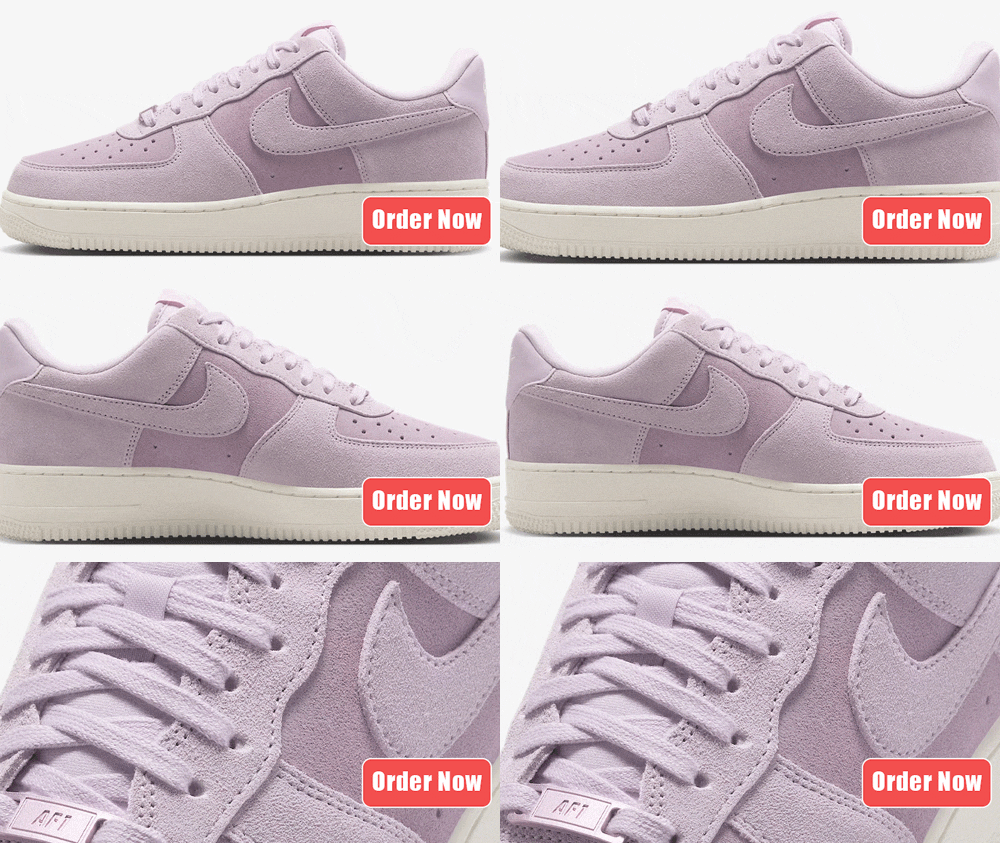
Nike Air Max 95 OG Neon Sneaker – Affiliate Link

👟 Fresh Drop Alert!
Don’t sleep on the Nike Air Force 1 ’07 — the classic heat that never goes out of style.
🔥 Deals available now – limited sizes left!
Tap in and save while staying fly.

DON’T MISS A BEAT

Be the first to know when our Urban Hotties is released.

We don’t spam! Read our privacy policy for more info.

© Copyright – 2021 The Urban Spotlight –  All Rights Reserved. Privacy Policy   Terms of Service | Find us On