
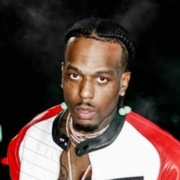
Sauce Walka Explains Why Drill Only Works When Cities Keep Their Own Identity 🎤🔥
Houston rapper Sauce Walka recently sparked a deeper conversation about drill music — not by arguing about violence or controversy, but by questioning something far more important: identity.
In a thoughtful breakdown that quickly caught attention online, Sauce Walka explained why drill succeeded in some cities while failing in others. According to him, drill is not just a sound — it’s a cultural ecosystem. And without a strong city-wide identity, no movement can truly last.
What he said struck a nerve, especially in an era where copying trends has become easier than building something original.
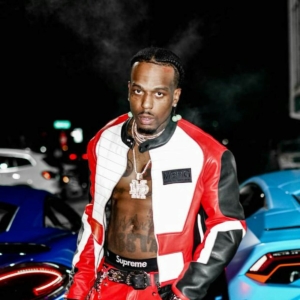
Drill Is Bigger Than Aggression
One of Sauce Walka’s key points was that drill has been misunderstood for years. Many critics reduce it to violent lyrics and dark production, but Sauce argues that this view misses the real foundation of the genre.
Drill works when:
-
A city stands behind the sound
-
The slang feels authentic
-
The fashion, dances, and energy align
-
Artists represent something bigger than themselves
Without these elements, drill becomes empty noise — aggressive, but forgettable.
Why New York Drill Actually Worked
Sauce Walka pointed to New York City as a prime example of drill done right.
While New York drill was influenced by Chicago, it didn’t feel like a carbon copy. Instead, the city adapted the sound to its own culture.
According to Sauce:
-
The entire city embraced it
-
The lingo felt natural
-
The dances became viral
-
The movement had unity, even with internal rivalries
New York drill wasn’t just music — it was a lifestyle moment. Clubs, social media, fashion, and street culture all moved together.
That level of alignment is rare, and Sauce believes that’s why New York drill broke through globally.
Community Support Is Non-Negotiable
A major theme in Sauce Walka’s breakdown was community backing.
He emphasized that no genre survives when only a few artists are pushing it. Movements grow when:
-
DJs support it
-
Fans defend it
-
The city claims it as “ours”
Even when artists feud, the sound itself stays protected.
Sauce made it clear: cities that argue internally but defend their culture externally always win.
Drill Going Global: UK and Beyond
Sauce didn’t limit his observations to the United States. He also pointed out how drill influenced the United Kingdom, where artists transformed the sound into something unmistakably local.
UK drill developed:
-
Its own slang
-
Unique flows
-
Distinct production patterns
-
Dance and street culture tied directly to the music
Rather than copying Chicago or New York entirely, UK artists built their own lane — and the world noticed.
This global success reinforced Sauce Walka’s argument: drill only travels when it evolves, not when it imitates.
Houston: Sauce Walka’s Honest Criticism
One of the most debated parts of his statement came when Sauce turned the lens inward — criticizing his own city.
Speaking on Houston, he argued that many rappers chase whatever sound is trending instead of defining a Houston-specific identity.
His criticism was blunt:
-
Too many artists sound the same
-
Recycled slang with no meaning
-
No clear movement to stand behind
He mocked how everyone jumps on phrases like “op, op, op” without understanding the culture behind them.
For Sauce, this lack of originality is why certain scenes stagnate — not because of talent, but because of fear to stand out.
Identity vs Imitation
At the heart of Sauce Walka’s message is a simple truth: identity builds longevity.
Genres that survive long-term — whether in hip-hop or beyond — are rooted in culture, not trends.
He compared drill to:
-
Florida rap’s bounce and energy
-
Chicago’s raw storytelling
-
Latin music’s pride in language and rhythm
These styles win because they protect what makes them different.
Borrowing trends might bring short-term attention, but it never builds a lasting fanbase.
Music as Cultural Ownership
Sauce Walka’s take went beyond drill and hip-hop. He framed music as a form of ownership.
When a city:
-
Names its sound
-
Defends its slang
-
Moves as a unit
…it creates something that can’t be replicated elsewhere.
This is why some movements go global while others fade after one viral moment.
Why This Message Hit So Hard
What made Sauce Walka’s breakdown resonate wasn’t just the critique — it was the honesty.
He wasn’t talking down to other artists.
He wasn’t chasing controversy.
He was speaking from experience.
In an industry driven by algorithms and copy-paste success formulas, his message felt refreshing — almost uncomfortable — because it challenged artists to do the harder work.
A Wake-Up Call for Emerging Scenes
For upcoming rappers and local scenes, Sauce Walka’s message serves as a warning:
If your city already has a voice, don’t replace it.
If your culture is unique, don’t water it down.
If your sound isn’t trending yet, that doesn’t mean it’s wrong.
Trends expire. Identity compounds.
Final Thoughts
Sauce Walka didn’t just explain drill — he explained why movements succeed or fail.
Drill isn’t powerful because it’s aggressive.
It’s powerful when it’s owned.
Cities that protect their culture build global movements.
Cities that chase someone else’s sound stay stuck.
Originality isn’t just creative — it’s strategic.
👇 Do you agree with Sauce Walka? Does drill only work when cities fully claim their own identity? Drop your thoughts in the comments. 🎤🔥
👉 Stay connected with the latest updates on this story and more hip-hop news at The Urban Spotlight Homepage.