
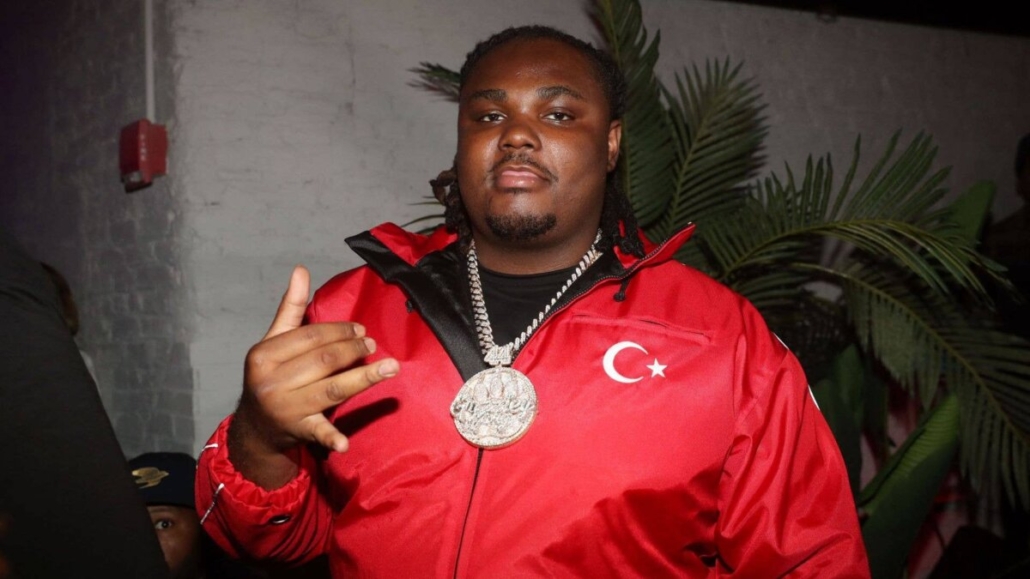
Tee Grizzley Update: 7 Key Moments From Shooter’s Interview on Allegations, Legal Battles & Headlines
Interviews that dive into street stories, legal drama, and personal reflections often create major reactions online — especially when they involve names connected to well-known artists like Tee Grizzley.
Recently, Shooter sat down for a candid conversation that quickly caught attention across social media. During the discussion, he spoke openly about past experiences, legal situations, and the way public narratives are shaped by recordings, internet rumors, and public opinion.
The interview touched on several controversial topics that fans have debated for years, including allegations tied to high-profile situations and the legal consequences that can follow public storytelling. While some viewers saw the conversation as honest reflection, others questioned the motivation behind sharing such details publicly.
This blog takes a balanced look at the conversation, the reaction from fans, and the larger discussion about storytelling, accountability, and narrative control in today’s digital era.

The Interview That Sparked Debate
The conversation immediately gained traction because of how direct the interview felt. Rather than avoiding difficult topics, Shooter addressed past allegations and legal challenges in a way that many viewers described as unusually open, especially since parts of the discussion connected back to conversations surrounding Tee Grizzley.
In modern hip-hop culture, interviews often serve as spaces where individuals attempt to clarify rumors or present their side of events. However, the more detailed the conversation becomes, the more it invites interpretation — and controversy.
Key themes discussed:
-
Past legal issues and accusations
-
The consequences of recorded conversations
-
The pressure of online narratives
-
Personal reflections on lessons learned
Because the discussion included references to situations linked to Tee Grizzley’s wider public story, fan interest increased quickly.
Why the Mention of Tee Grizzley Drew Attention
Anytime a major artist’s name enters a conversation involving legal or street-related discussions, fans immediately start paying close attention.
Tee Grizzley’s career has long been associated with storytelling rooted in real-life experiences. As a result, interviews that mention events or people connected to those narratives often attract strong reactions.
Social media users began debating:
-
Whether the interview revealed new information
-
If statements were meant to clarify or stir controversy
-
How much weight should be given to personal accounts
This demonstrates how closely audiences follow stories connected to major artists, even when indirect.
The Role of Storytelling in Hip-Hop Culture
Storytelling has always been a central part of hip-hop. Artists and personalities often share experiences from their backgrounds, turning difficult moments into lessons or reflections.
However, interviews differ from music because they are often interpreted as factual accounts. This creates challenges, especially when discussions involve allegations or legal history.
Key questions viewers asked:
-
Is this storytelling or explanation?
-
Are these personal opinions or verified facts?
-
How should audiences interpret such conversations?
These questions contributed to the split reactions online.
Legal Lessons and Public Reflection
Fans React: Honest or Strategic?
As clips spread, social media quickly divided into opposing viewpoints.
Supporters said:
-
The conversation felt honest and transparent
-
Sharing lessons could help others avoid mistakes
-
Speaking openly showed confidence
Critics argued:
-
The interview might be strategic narrative control
-
Some details should remain private
-
Public discussions about past controversies can be risky
This split is common whenever interviews address sensitive topics.
The Idea of “Controlling the Narrative”
One of the biggest discussions surrounding the interview involved narrative control — the idea that individuals speak publicly to shape how their stories are understood.
In today’s digital world, staying silent often allows rumors to grow. Speaking out gives people a chance to present their perspective directly.
However, narrative control comes with risks:
-
Statements can be misinterpreted
-
Clips may spread out of context
-
Audiences might question motives
This tension was clearly visible in fan reactions.
Social Media’s Role in Amplifying Controversy
Platforms like Instagram, YouTube, and TikTok play a massive role in shaping how interviews are consumed. Short clips often go viral before viewers see full context, especially when conversations connected to Tee Grizzley start circulating online.
As a result:
-
Statements can appear more dramatic than intended
-
Viewers form opinions quickly
-
Narratives evolve rapidly
The Shooter interview followed this pattern, with selective clips sparking debate across multiple platforms, including discussions tied to Tee Grizzley and related fan conversations.
Street Politics vs Public Platforms
Another theme viewers discussed was the balance between street culture and public exposure. Many people believe that discussing certain topics openly can create tension, while others argue that transparency helps clarify misunderstandings.
This raises broader questions about:
-
What should remain private
-
What lessons can be shared publicly
-
How interviews affect reputations

These conversations highlight how complex modern media spaces have become for people connected to street narratives.
The Impact of Legal History on Public Image
Why Interviews Like This Go Viral
There are several reasons conversations like this trend quickly:
-
High-profile names connected to the story
-
Controversial themes that spark debate
-
Raw and unfiltered speaking style
-
Social media clips spreading rapidly
These elements combine to create strong engagement online.
The Bigger Conversation About Accountability
Beyond entertainment, the interview sparked discussion about accountability and growth. Many viewers focused on the idea that reflecting on past mistakes can be valuable if presented responsibly.
Lessons often emphasized in reactions included:
-
Learning from past decisions
-
Avoiding repeating mistakes
-
Understanding long-term consequences
These themes shifted the conversation toward reflection rather than glorification.
The Importance of Context
A major challenge with viral interviews is that context often gets lost. Short clips can make statements appear more extreme than they sound in full conversations.
Experts and media observers frequently encourage audiences to:
-
Watch full interviews
-
Avoid jumping to conclusions
-
Recognize that stories may include personal bias
Context helps reduce unnecessary misinformation.
What This Means for Tee Grizzley’s Public Conversation
Although Tee Grizzley was not the primary speaker, his name being mentioned naturally pulled fans into the discussion. This highlights how connected narratives within hip-hop culture can shape public perception even when artists are not directly involved.
As conversations continue, many fans remain focused on music and future projects rather than online debate.
Bottom Line
The recent interview involving Shooter has sparked intense online discussion due to its candid tone and references to past controversies connected to stories surrounding Tee Grizzley. Some viewers see it as honest reflection and personal storytelling, while others question whether it’s an attempt to shape public narratives.
Regardless of interpretation, the conversation highlights how modern interviews, social media clips, and public perception intersect — turning personal stories into widespread debates almost instantly, especially when topics linked to Tee Grizzley enter the discussion.
In today’s media landscape, the line between storytelling, accountability, and controversy remains thin — and audiences continue deciding for themselves where that line should be.
👉 Stay connected with the latest updates on this story and more hip-hop news at The Urban Spotlight Homepage.



Leave a Reply
Want to join the discussion?Feel free to contribute!