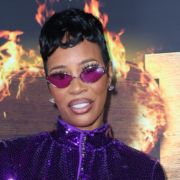
“Phone Off Mid-Prank” — Tia Kemp Has to Pay Her Flip Phone Bill Live 😭📞

The internet never misses a moment — especially when it’s perfectly timed chaos. That was proven once again when Tia Kemp went viral after her flip phone shut off mid-prank, forcing her to confront an unpaid phone bill live and unfiltered.

What started as lighthearted fun quickly turned into comedy gold, reminding everyone that no matter how prepared you think you are, bills wait for no one.
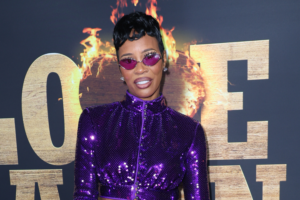
 Tia Kemp


Prank Plans… Interrupted

Tia Kemp hopped on live feeling playful and relaxed. She explained that she was on vacation, taking a reset, and ready to make some prank calls just for laughs. The mood was easy, the energy was right — everything was set.

Then reality rang.
Well… didn’t ring.

As she tried to use her flip phone, something felt off. No dial tone. No connection. No prank calls.

That’s when it hit her: the phone was off.


The Exact Moment It All Went Left

🎯 Best clip timeframe:
Start: 3:19
End: 3:55

This is the moment fans can’t stop replaying.

Tia realizes in real time that her phone service has been shut off. Confusion turns into frustration, which quickly turns into jokes and complaints — all while viewers are cracking up in the comments.

She starts venting about Metro turning her burner off, questioning why it happened now, and reacting exactly how anyone would when caught slipping publicly.

The timing? Brutal.
The reactions? Priceless.


From Prank Queen to Bill-Paying Mode

Instead of prank calls, viewers got something even better: raw, unscripted comedy.

Tia’s reaction wasn’t staged or exaggerated — it was real. That’s what made the moment hit so hard online. She didn’t try to play it cool. She leaned into the chaos, complaining, laughing, and acknowledging the situation as it unfolded.

In seconds, the live went from “let’s joke” to “hold on, why my phone off?”

Internet gold.


Why Fans Loved This Moment

The reason this clip blew up isn’t just because it was funny — it was relatable.

Everyone watching has been there:

  • Forgetting a bill

  • Assuming auto-pay is on

  • Finding out at the worst possible time

Seeing a public figure go through the same everyday struggle made the moment feel human.

Fans flooded the comments with jokes like:

  • “Metro said pay up 😭”

  • “Internet timing is undefeated”

  • “Not the burner getting cut off on live”

It wasn’t mean-spirited — it was collective laughter.


Flip Phone Energy in a Smartphone World

Part of the humor also came from the flip phone itself.

In an era of iPhones and Androids, Tia rocking a flip phone already had fans amused. Watching that same flip phone get shut off mid-live added another layer of comedy.

No apps.
No Wi-Fi calls.
No backup plan.

Just vibes — and consequences.


Metro Didn’t Care About the Content

What made the situation even funnier was the complete lack of mercy.

Metro didn’t care:

  • That she was on vacation

  • That she was about to prank people

  • That thousands were watching

Service off means service off.

And the internet loved every second of it.


When Real Life Crashes the Live

This moment perfectly captured why live content is so unpredictable.

You can plan:

  • Topics

  • Energy

  • Jokes

But you can’t plan:

  • Technology failing

  • Bills being due

  • Real-life interruptions

That unpredictability is exactly why audiences love live streams — and why moments like this go viral.


Fans Turned It Into a Meme Instantly

Within hours, clips of the moment started circulating across social platforms.

Short captions.
Reaction edits.
Commentary videos.

The situation became less about the prank and more about the lesson: always pay your phone bill before going live.

Internet humor thrives on moments like this — harmless, funny, and perfectly timed.


Tia Kemp’s Reaction Made It Even Better

What really sealed the moment was how Tia handled it.

She didn’t:

  • End the live immediately

  • Get defensive

  • Pretend it didn’t happen

She reacted honestly — annoyed, amused, and fully aware of how ridiculous the timing was.

That self-awareness made fans love the moment even more.


Why This Clip Will Live Forever

Some viral moments fade fast. This one sticks because:

  • It’s short

  • It’s funny

  • It’s relatable

  • It’s unscripted

No controversy.
No negativity.
Just pure internet comedy.

Moments like this remind people why they follow personalities like Tia Kemp in the first place — authenticity over perfection.


Internet Timing Is Undefeated

If there’s one takeaway from this situation, it’s this: the internet always knows when to humble you.

Right when Tia was ready to have fun, reality clocked in. And instead of ruining the moment, it created one of her funniest viral clips yet.

No phone.
No pranks.
No mercy.


Final Thoughts

Tia Kemp didn’t lose a moment — she gained one.

What was supposed to be prank time turned into a live reminder that bills don’t care about content schedules. The flip phone getting shut off mid-prank wasn’t just funny — it was iconic.

Sometimes, the funniest content isn’t planned at all.

👇 Have you ever had something shut off at the worst possible time? Be honest 😭📞

👉 Stay connected with the latest updates on this story and more hip-hop news at The Urban Spotlight Homepage.


Nike Air Max 95 OG Neon Sneaker – Affiliate Link

👟 Fresh Drop Alert!
Don’t sleep on the Nike Air Force 1 ’07 — the classic heat that never goes out of style.
🔥 Deals available now – limited sizes left!
Tap in and save while staying fly.

18

Sauce Walka Explains Why Drill Only Works When Cities Keep Their Own Identity 🎤🔥

Houston rapper Sauce Walka recently sparked a deeper conversation about drill music — not by arguing about violence or controversy, but by questioning something far more important: identity.

In a thoughtful breakdown that quickly caught attention online, Sauce Walka explained why drill succeeded in some cities while failing in others. According to him, drill is not just a sound — it’s a cultural ecosystem. And without a strong city-wide identity, no movement can truly last.

What he said struck a nerve, especially in an era where copying trends has become easier than building something original.

sauce walka


Drill Is Bigger Than Aggression

One of Sauce Walka’s key points was that drill has been misunderstood for years. Many critics reduce it to violent lyrics and dark production, but Sauce argues that this view misses the real foundation of the genre.

Drill works when:

  • A city stands behind the sound

  • The slang feels authentic

  • The fashion, dances, and energy align

  • Artists represent something bigger than themselves

Without these elements, drill becomes empty noise — aggressive, but forgettable.


Why New York Drill Actually Worked

Sauce Walka pointed to New York City as a prime example of drill done right.

While New York drill was influenced by Chicago, it didn’t feel like a carbon copy. Instead, the city adapted the sound to its own culture.

According to Sauce:

  • The entire city embraced it

  • The lingo felt natural

  • The dances became viral

  • The movement had unity, even with internal rivalries

New York drill wasn’t just music — it was a lifestyle moment. Clubs, social media, fashion, and street culture all moved together.

That level of alignment is rare, and Sauce believes that’s why New York drill broke through globally.


Community Support Is Non-Negotiable

A major theme in Sauce Walka’s breakdown was community backing.

He emphasized that no genre survives when only a few artists are pushing it. Movements grow when:

  • DJs support it

  • Fans defend it

  • The city claims it as “ours”

Even when artists feud, the sound itself stays protected.

Sauce made it clear: cities that argue internally but defend their culture externally always win.


Drill Going Global: UK and Beyond

Sauce didn’t limit his observations to the United States. He also pointed out how drill influenced the United Kingdom, where artists transformed the sound into something unmistakably local.

UK drill developed:

  • Its own slang

  • Unique flows

  • Distinct production patterns

  • Dance and street culture tied directly to the music

Rather than copying Chicago or New York entirely, UK artists built their own lane — and the world noticed.

This global success reinforced Sauce Walka’s argument: drill only travels when it evolves, not when it imitates.


Houston: Sauce Walka’s Honest Criticism

One of the most debated parts of his statement came when Sauce turned the lens inward — criticizing his own city.

Speaking on Houston, he argued that many rappers chase whatever sound is trending instead of defining a Houston-specific identity.

His criticism was blunt:

  • Too many artists sound the same

  • Recycled slang with no meaning

  • No clear movement to stand behind

He mocked how everyone jumps on phrases like “op, op, op” without understanding the culture behind them.

For Sauce, this lack of originality is why certain scenes stagnate — not because of talent, but because of fear to stand out.


Identity vs Imitation

At the heart of Sauce Walka’s message is a simple truth: identity builds longevity.

Genres that survive long-term — whether in hip-hop or beyond — are rooted in culture, not trends.

He compared drill to:

  • Florida rap’s bounce and energy

  • Chicago’s raw storytelling

  • Latin music’s pride in language and rhythm

These styles win because they protect what makes them different.

Borrowing trends might bring short-term attention, but it never builds a lasting fanbase.


Music as Cultural Ownership

Sauce Walka’s take went beyond drill and hip-hop. He framed music as a form of ownership.

When a city:

  • Names its sound

  • Defends its slang

  • Moves as a unit

…it creates something that can’t be replicated elsewhere.

This is why some movements go global while others fade after one viral moment.


Why This Message Hit So Hard

What made Sauce Walka’s breakdown resonate wasn’t just the critique — it was the honesty.

He wasn’t talking down to other artists.
He wasn’t chasing controversy.
He was speaking from experience.

In an industry driven by algorithms and copy-paste success formulas, his message felt refreshing — almost uncomfortable — because it challenged artists to do the harder work.


A Wake-Up Call for Emerging Scenes

For upcoming rappers and local scenes, Sauce Walka’s message serves as a warning:

If your city already has a voice, don’t replace it.
If your culture is unique, don’t water it down.
If your sound isn’t trending yet, that doesn’t mean it’s wrong.

Trends expire. Identity compounds.


Final Thoughts

Sauce Walka didn’t just explain drill — he explained why movements succeed or fail.

Drill isn’t powerful because it’s aggressive.
It’s powerful when it’s owned.

Cities that protect their culture build global movements.
Cities that chase someone else’s sound stay stuck.

Originality isn’t just creative — it’s strategic.

👇 Do you agree with Sauce Walka? Does drill only work when cities fully claim their own identity? Drop your thoughts in the comments. 🎤🔥

👉 Stay connected with the latest updates on this story and more hip-hop news at The Urban Spotlight Homepage.

Nike Air Max Dn8 – Affiliate Link
25

“That Internet Stuff Was Draining” — Jazmine Cheaves Says the Drama Is Finally Over 👀

In an era where online conflict can spiral in minutes and live forever in screenshots, Jazmine Cheaves is choosing something rare: peace.

Speaking candidly in a recent clip that quickly caught traction online, Jazmine addressed the internet drama involving her sister Jayda Cheaves and Ari Fletcher — and made one thing clear. The situation was exhausting, unnecessary, and thankfully, over.

Her calm, grounded response struck a chord with fans who are increasingly tired of social media chaos disguised as entertainment.

Jazmine


Watching Drama From the Outside

Unlike many viral moments fueled by back-and-forth posts, Jazmine made it clear she wasn’t interested in participating.

While the internet dissected every comment, screenshot, and reaction tied to Jayda and Ari’s online tension, Jazmine stayed focused on her own life. She described watching the situation unfold as “draining” — even without being directly involved.

That perspective resonated with many viewers who’ve experienced secondhand stress from online drama. Sometimes, just witnessing conflict can be mentally exhausting.

Her honesty reframed the conversation: not every situation needs a response, and not every issue deserves energy.


The Timestamp That Changed the Tone

🎯 Most impactful clip:
Start: 2:38
End: 3:05

In this moment, Jazmine directly calls the situation “cringe,” admits how draining it felt, and expresses relief that it’s finally over. There’s no anger in her tone — just fatigue and clarity.

That emotional honesty became the payoff of the reel. Instead of escalating tension, it closed the chapter.

Fans immediately praised the restraint.


Why This Response Felt Different

Internet drama usually follows a predictable pattern:

  • Someone speaks

  • Someone reacts

  • Fans choose sides

  • The situation escalates

Jazmine disrupted that cycle.

She didn’t:

  • Throw subliminals

  • Add fuel to speculation

  • Seek validation from comments

Instead, she acknowledged the chaos and stepped away from it.

In a digital culture that rewards outrage, choosing calm can feel revolutionary.


The Mental Cost of Online Chaos

Jazmine’s words also highlighted something often overlooked: the mental toll of internet drama.

Even when you’re not the main target, social media conflicts can:

  • Drain emotional energy

  • Create anxiety

  • Invite unwanted attention

  • Blur personal boundaries

By describing the situation as draining, Jazmine gave language to an experience many people feel but rarely admit.

Her response validated a growing sentiment online: peace is more valuable than clout.


Fans Applaud Maturity Over Mess

After the clip circulated, fan reactions leaned heavily in Jazmine’s favor.

Comments praised her for:

  • Staying grounded

  • Not feeding negativity

  • Protecting her mental space

Many viewers contrasted her response with how social media often rewards louder, messier reactions.

In a space where silence is sometimes mistaken for weakness, Jazmine proved the opposite — restraint can be strength.


Jayda, Ari, and the Internet’s Role

The tension involving Jayda Cheaves and Ari Fletcher played out largely online, as many modern conflicts do. Social platforms amplify emotions, blur context, and invite millions of opinions into personal situations.

Jazmine’s commentary didn’t place blame. Instead, it subtly questioned the necessity of public conflict in the first place.

Her takeaway wasn’t about who was right or wrong — it was about how quickly situations become overwhelming once the internet gets involved.


Choosing Peace Isn’t Avoidance — It’s Strategy

One of the most important aspects of Jazmine’s message was intention.

She didn’t ignore the drama because she was afraid to speak. She stepped back because engaging wouldn’t add value to her life.

That distinction matters.

Choosing peace doesn’t mean suppressing emotions — it means prioritizing well-being over temporary validation.

For many viewers, that mindset felt refreshing and relatable.


Social Media vs Real Life

Jazmine’s comments also reinforced a crucial reminder: internet moments are not real life.

What trends for 48 hours can feel massive online but irrelevant offline. Yet, when people invest emotionally in every viral moment, the stress becomes real.

By calling the drama “cringe” and “draining,” Jazmine separated reality from performance — a line many struggle to draw.


Growth Over Attention

The final message Jazmine left viewers with was simple: move forward.

She emphasized growth, peace, and letting negativity fade. Drama may dominate timelines, but it rarely contributes to long-term fulfillment.

Her response suggested a shift in values — away from reactionary content and toward intentional living.

That message resonated deeply in comment sections filled with people tired of constant online tension.


Why This Moment Matters

This wasn’t just another influencer comment. It reflected a larger cultural shift.

Audiences are increasingly:

  • Tired of forced drama

  • Drawn to authenticity

  • Supportive of emotional maturity

Jazmine’s approach aligned with that shift perfectly.

Instead of chasing virality, she offered perspective.


A Lesson Beyond Celebrity Culture

While the situation involved public figures, Jazmine’s message applies far beyond celebrity spaces.

In everyday life:

  • Not every argument needs engagement

  • Not every opinion needs a response

  • Protecting peace is a skill

Her words felt less like commentary and more like advice.


The Internet Moves On — Peace Stays

One of the most powerful ideas behind Jazmine’s statement is permanence.

Drama fades.
Screenshots disappear.
Timelines refresh.

But peace — once chosen — lasts.

By stepping back, Jazmine ensured that the situation didn’t define her or consume her energy.


Final Thoughts

Jazmine Cheaves didn’t escalate the drama — she ended the conversation.

By calling the situation draining and unnecessary, she shifted focus from conflict to clarity. In doing so, she reminded audiences that growth often looks quiet, not loud.

In a world addicted to reaction, Jazmine chose reflection.

And sometimes, that’s the strongest response of all.

👇 Do you agree with Jazmine? Is protecting your peace more important than responding to internet drama? Share your thoughts below.

👉 Stay connected with the latest updates on this story and more hip-hop news at The Urban Spotlight Homepage.

 

Nike Air Max 95 OG Neon Sneaker – Affiliate Link

👟 Fresh Drop Alert!
Don’t sleep on the Nike Air Force 1 ’07 — the classic heat that never goes out of style.
🔥 Deals available now – limited sizes left!
Tap in and save while staying fly.

26

No Excuses, Just Gloves — Chrisean Rock Heads to Florida for Elite Boxing Work

In a move that has surprised critics and energized supporters, Chrisean Rock has revealed plans to travel to Florida for high-level boxing training with undefeated world champion Claressa Shields.

The announcement, delivered casually but confidently in a recent clip, instantly shifted the conversation around Chrisean Rock boxing journey. What once felt like a side quest or experimental phase is now starting to look like a serious commitment to the sport.

Despite injuries, harsh weather, and constant online criticism, Chrisean Rock made one thing clear: excuses are off the table. Gloves are on.

chrisean rock


From Reality TV to the Boxing Ring

Chrisean Rock rise to fame didn’t come through traditional sports channels. Known initially for her outspoken personality, turbulent relationships, and reality TV appearances, she has always lived under intense public scrutiny.

For years, audiences viewed her primarily through an entertainment lens — dramatic moments, viral clips, and controversial headlines. Boxing, to many, felt unexpected.

But for Chrisean Rock, the ring has become a place of focus and control.

What started as curiosity has evolved into discipline. Training sessions turned into daily routines. Casual sparring became structured work. And now, aligning herself with one of the most respected figures in women’s boxing marks a turning point that even skeptics can’t ignore.


The Florida Training Decision: Why It Matters

Traveling to Florida for boxing training isn’t just about changing scenery. Florida is home to elite boxing gyms, high-level sparring partners, and year-round training conditions that many fighters seek out.

For Chrisean Rock, this decision signals:

  • A willingness to leave comfort zones

  • Financial and personal investment in her craft

  • Acceptance that growth requires sacrifice

The clip that sparked attention — a short moment where she clearly states she’s flying out to train — carried more weight than words alone. It showed intent.


Training With Claressa Shields: A Statement, Not a Stunt

Claressa Shields is not a casual name-drop in the boxing world. She represents excellence, discipline, and dominance.

An undefeated champion with titles across multiple weight classes, Shields has built her career on relentless work ethic and technical mastery. Fighters don’t train with her for clout — they train to be tested.

By stepping into that environment, Chrisean Rock is choosing pressure over comfort.

Training alongside an athlete of that caliber means:

  • No shortcuts

  • Honest feedback

  • Brutal conditioning

  • High expectations

For someone often accused of lacking focus, this move directly challenges that narrative.


Fighting Through Injuries and Setbacks

One of the most overlooked aspects of Chrisean’s update was her honesty about physical pain.

She openly mentioned dealing with injuries — a reality every fighter faces, but few discuss openly. Add to that being snowed in, limited travel options, and nonstop online noise, and it’s easy to see why many would pause or postpone.

Chrisean didn’t.

Instead, she emphasized consistency: training almost every day, staying locked in, and preparing mentally as much as physically.

In combat sports, mindset is often the difference between showing up and showing out.


The Power of Consistency in Boxing

Boxing doesn’t reward talent alone. It rewards repetition.

Roadwork. Bag work. Pad rounds. Sparring. Conditioning. Recovery.
Day after day.

Chrisean’s commitment to near-daily training suggests she’s beginning to understand what separates fighters from personalities.

Consistency:

  • Builds stamina

  • Sharpens reflexes

  • Develops ring IQ

  • Strengthens mental resilience

Fans who once questioned her seriousness are now watching her actions speak louder than her past.


Public Perception Is Starting to Shift

When the clip surfaced, reactions were immediate.

Social media lit up with mixed opinions, but one theme stood out: surprise.

Many viewers admitted they didn’t expect Chrisean Rock to take boxing this seriously. Training with Claressa Shields reframed the conversation.

Comments ranged from:

  • “This is actually smart”

  • “She might really be about it”

  • “Respect if she sticks with this”

While criticism hasn’t disappeared, the tone is evolving. People are watching with curiosity instead of dismissal.


More Than a Fight: A Personal Reset

For Chrisean Rock, boxing appears to be more than preparing for a single fight.

It represents:

  • Structure in a chaotic public life

  • Discipline where drama once dominated

  • Control over her narrative

The ring doesn’t care about fame, followers, or controversy. It demands preparation.

That’s a powerful environment for someone trying to redefine themselves.


Women’s Boxing and Visibility

Chrisean Rock journey also taps into a larger conversation about women’s boxing.

Women fighters still fight for:

  • Equal recognition

  • Media respect

  • Fair opportunities

By training with a global icon like Claressa Shields, Chrisean is indirectly drawing attention to the depth and seriousness of women’s boxing.

Every viral clip that leads viewers toward real training and real fighters helps shift public awareness.


The Viral Clip That Changed the Narrative

🎯 Most impactful timeframe:
Start: 3:49
End: 4:00

In that short window, Chrisean Rock clearly states her plan to travel and train in Florida. No hype. No shouting. Just intent.

Sometimes, the calmest moments say the most.

That clip alone reframed weeks of speculation and gave fans something concrete to react to.


What This Means for Her Upcoming Fight

With a fight date approaching, this training move couldn’t come at a better time.

High-level camps typically focus on:

  • Strategy refinement

  • Conditioning peaks

  • Defensive awareness

  • Mental toughness

Training under elite standards could be the difference between surviving rounds and controlling them.

Whether she wins or loses, preparation at this level ensures she steps into the ring ready.


Pressure, Expectations, and Reality

With attention comes pressure.

If Chrisean Rock commits publicly to elite training, expectations rise. Fans will look for visible improvement — footwork, composure, stamina.

Critics will be quick to point out flaws.

But that pressure is part of growth.

Boxing doesn’t offer instant redemption. It offers progress — earned slowly, round by round.


Silence From Critics, Curiosity From Fans

Notably, many of her loudest critics have gone quiet.

Instead of mocking, they’re watching.

That shift alone suggests this move has changed the narrative more than any interview or social media post could.


Discipline as a Turning Point

History shows that many public figures find transformation through discipline-heavy environments — sports, training camps, or structured routines.

For Chrisean Rock, boxing may be that anchor.

A place where:

  • Emotions are controlled

  • Energy is focused

  • Results are measurable

Not every journey is smooth, but direction matters.


What Comes Next?

As she heads to Florida, fans are expecting:

  • Training footage

  • Gym clips

  • Sparring highlights

  • Physical transformation

More importantly, they’re watching for consistency.

Will she stay locked in when the spotlight fades?
Will discipline outlast hype?

Those answers will come with time.


Final Thoughts

Chrisean Rock heading to Florida to train with Claressa Shields isn’t just news — it’s a statement.

No excuses.
No shortcuts.
Just gloves, discipline, and work.

Whether this journey ends in victory or lessons, one thing is clear: Chrisean is stepping into a space where effort speaks louder than reputation.

And for the first time in a long time, the boxing world — and the internet — is paying attention.

👇 Do you think this is the moment Chrisean Rock truly levels up in the ring? Share your thoughts below. 👀🔥

👉 Stay connected with the latest updates on this story and more hip-hop news at The Urban Spotlight Homepage.

Nike Air Max 95 OG Neon Sneaker – Affiliate Link

👟 Fresh Drop Alert!
Don’t sleep on the Nike Air Force 1 ’07 — the classic heat that never goes out of style.
🔥 Deals available now – limited sizes left!
Tap in and save while staying fly.

21

T.I. Breaks Silence After Club Backlash — “The DJ Wasn’t the Problem… I Was” 👀

A Viral Club Moment That Sparked Immediate Backlash

A tense night at a Miami nightclub quickly turned into a major talking point after T.I. was caught on camera addressing a heated situation at Club LIV. What initially looked like another celebrity-club dispute took on a different tone once T.I. chose to speak publicly — not once, but twice — about what happened.

The first clip showed T.I. clearly frustrated, addressing the situation in the moment. Almost instantly, social media lit up with opinions, speculation, and criticism. But it was his follow-up response the next day that shifted the entire narrative.

T.I.


What Happened at Club LIV

According to circulating footage and accounts, tensions rose during his appearance at Club LIV when expectations around music selection, respect, and crowd energy collided. In the moment, emotions ran high — something common in packed, high-energy nightlife environments.

Clips showed T.I. speaking firmly, setting boundaries, and expressing displeasure. For many viewers, it felt like a familiar scene: a superstar demanding respect in a club setting.

But the story didn’t end there.


T.I.’s Second Response Changed the Conversation

The following day, T.I. returned with a calmer tone and a very different message. Instead of doubling down or shifting blame, he took ownership.

His words were direct: the DJ wasn’t the problem — he was.

He admitted that ego and alcohol contributed to the escalation. He acknowledged that while he expects respect, the way the situation unfolded was on him. That level of self-reflection immediately stood out, especially in an industry where public apologies are often vague or defensive.


Accountability Over Excuses

What resonated with many fans wasn’t just the apology — it was the clarity. He didn’t try to reframe the situation as a misunderstanding or blame the environment. He didn’t minimize the moment.

Instead, he called it what it was: a lapse in judgment fueled by heightened emotions.

He openly stated that he’s still working on himself, signaling that growth isn’t a finished process — even for someone with decades in the spotlight.


Fans React: Growth or Damage Control?

As expected, reactions split quickly.

One side praised for taking responsibility, calling his response mature and refreshing. Supporters noted how rare it is for artists to admit fault without adding qualifiers.

The other side remained skeptical, questioning whether the reflection came only after backlash intensified. For them, accountability after the fact didn’t fully erase the original behavior.

Still, even critics acknowledged that his response was more thoughtful than most.


Ego and High-Energy Spaces

Nightclubs are pressure cookers — loud music, alcohol, packed crowds, and expectations colliding all at once. He acknowledged that reality, pointing out how quickly things can spiral in those environments.

By naming ego as a factor, he tapped into a conversation many people relate to: how success, status, and emotion can cloud judgment if left unchecked.

That honesty is what made this moment feel less like PR and more like reflection.


Why This Moment Stands Out

Celebrity club incidents are nothing new. What made this one different was the follow-up.

Instead of letting the clip define the narrative, addressed it directly, reframed it, and owned his part. That approach didn’t silence criticism — but it did elevate the conversation.

It shifted the focus from what happened to what happens after you mess up.


Public Growth Under a Microscope

For public figures, growth doesn’t happen privately. Mistakes are recorded, replayed, and debated in real time. He response highlights how difficult — and necessary — it can be to model accountability when millions are watching.

His willingness to say “I was wrong” didn’t erase the moment, but it added context and responsibility.

And in today’s culture, that matters.


The DJ Wasn’t the Problem — The Message Was

By making it clear that the DJ wasn’t at fault, T.I. also shut down misdirected backlash. That distinction helped redirect attention away from individuals who didn’t deserve it and back toward the real issue: managing ego and emotion.

That clarification was crucial — and intentional.


What This Says About T.I. Today

This moment offered a glimpse into where T.I. is now in his career. Less reactionary. More reflective. Willing to admit flaws without excusing them.

For some fans, that reinforced respect. For others, it raised expectations going forward.

Either way, it showed growth isn’t about perfection — it’s about ownership.


Final Thoughts: When Accountability Becomes the Headline

What started as a tense club night turned into a broader conversation about ego, self-awareness, and responsibility. T.I.’s decision to take the blame didn’t make everyone agree — but it did make people listen.

In an era where defensiveness often wins, accountability stood out.

Growth or damage control?
That’s up to the audience.

But one thing is clear: T.I. didn’t dodge the moment — he faced it

👉 Stay connected with the latest updates on this story and more hip-hop news at The Urban Spotlight Homepage.

Nike Air Max Dn8 – Affiliate Link
26

IShowSpeed Live Boxing Breakdown: 4 Major Moments From Ghana

A Stream That Took an Unexpected Turn

Livestreams thrive on spontaneity, but every so often a moment unfolds that feels bigger than content. That’s what happened when IShowSpeed stepped into a boxing ring while visiting Ghana, turning a casual stream into a live, crowd-filled boxing moment.

What began as entertainment quickly felt real. A ring. A professional boxer. A growing crowd. And Speed, live on stream, deciding not to back down.

Within minutes, clips spread across social media.

IShowSpeed


How the Moment Came Together

According to viewers watching live, Speed was interacting with locals when the idea of stepping into the ring came up. What could’ve stayed a joke didn’t. Gloves appeared. The ring cleared. And suddenly, a stream turned into an exhibition-style moment in front of an energized crowd.

There was no polished setup.
No scripted build-up.
Just a live decision — and a camera rolling.

That unpredictability is exactly why fans tuned in and stayed locked.


The Crowd Energy Changed Everything

One of the most striking parts of the clip is the crowd. As people gathered around the ring, the energy shifted from curiosity to excitement. Cheers, shouts, and reactions echoed with every move.

Speed fed off it.

He wasn’t silent or cautious — he leaned into the moment, hyping the crowd and reacting in real time. That exchange between streamer and audience turned the ring into a shared experience rather than just a fight.

It felt less like a challenge and more like a moment of connection.


Streamer or Real Competitor?

As the rounds went on, fans noticed something important: Speed wasn’t treating it like a joke. While the moment clearly leaned toward exhibition rather than a sanctioned bout, his focus and effort were real.

That blurred the line between content and competition.

Some viewers praised him for stepping up and respecting the moment. Others questioned the safety and seriousness of stepping into a ring with a professional — even briefly.

That split reaction became part of the story.


Why Ghana Made This Moment Hit Differently

IShowSpeed travels through Ghana have already been drawing attention, with fans appreciating how he engages with local culture rather than staying distant.

This boxing moment fit that pattern.

Instead of observing from the sidelines, Speed participated — in front of locals, not just a camera. That willingness to engage is why many viewers saw the moment as more than just “stream antics.”

It wasn’t about winning.
It was about showing up.


Fans React: Shock, Excitement, and Respect

Once clips surfaced, timelines lit up.

Some fans were shocked that IShowSpeed even agreed to step into the ring. Others were excited, calling it one of his most entertaining travel moments yet. A third group respected the fact that he didn’t back out once the situation became real.

Comments flooded in saying things like:

  • “Only Speed would do this live.”

  • “That crowd energy is crazy.”

  • “Respect for even trying.”

Love it or question it — people were watching.


The Risk of Live, Unscripted Content

This moment also sparked conversations about the risks of livestreaming everything. When content happens in real time, there’s no buffer to stop something from escalating.

Stepping into a boxing ring — even briefly — carries real risk. Fans debated whether the moment crossed from entertaining into unsafe.

At the same time, many acknowledged that this raw unpredictability is exactly why Speed’s streams stand out.


Why This Moment Went Viral

The clip checked every box:

  • A familiar personality

  • A foreign setting

  • A physical challenge

  • A live audience reaction

Add to that the authenticity of the moment, and virality was almost guaranteed.

People weren’t watching a highlight — they were watching a decision being made live.


More Than Just a Stream Clip

While the moment will likely live on as a viral highlight, it also says something about Speed’s approach to content. IShowSpeed doesn’t just document experiences — he jumps into them.

That willingness to participate, even when unpredictable, keeps audiences engaged and curious about what might happen next.

It’s risky.
It’s chaotic.
And it works.


What Comes Next

Whether Speed continues boxing moments on stream or leaves this as a one-time experience, the Ghana ring moment has already cemented itself as one of his most talked-about travel clips.

Fans are now asking:

  • Was this a one-off?

  • Would he do it again?

  • Or was this a moment best left in Ghana?

For now, it stands as a reminder that live streams can turn anywhere into a stage.


Final Thoughts: When Content Becomes a Moment

IShowSpeed stepping into a boxing ring in Ghana wasn’t planned — and that’s why it mattered. The moment felt real, unscripted, and shared between streamer, crowd, and viewers around the world.

Stream moment or real challenge?
Maybe a bit of both.

Either way, Speed didn’t back down — and the internet won’t forget it anytime soon. 👀🥊🔥

👉 Stay connected with the latest updates on this story and more hip-hop news at The Urban Spotlight Homepage.
Nike Air Max Dn8 – Affiliate Link
23

Clavicular Gets Checked Live — Fan Calls Out Language Use

A Livestream Moment That Shifted Everything

Livestreams are unpredictable by nature, but every so often a moment happens that instantly changes the tone of the entire broadcast. That’s exactly what unfolded when Clavicular was confronted live by a Black fan who called him out for using the N-word during a stream.

What began as a normal session quickly turned into an uncomfortable — and widely discussed — exchange. Viewers could feel the shift immediately. The chat slowed. The mood changed. And suddenly, a casual stream became a flashpoint for a much larger conversation about language, accountability, and boundaries online.

Clavicular


What Happened During the Stream

According to clips that circulated shortly after, the fan directly addressed Clavicular in real time, expressing discomfort and frustration over the use of the slur. There was no build-up, no warning — just a straightforward call-out that caught both the streamer and the audience off guard.

The moment wasn’t exaggerated or theatrical. It was calm, direct, and firm. That delivery is part of why it resonated so strongly. The fan wasn’t looking for clout or chaos — they were addressing something that mattered to them personally.

Once the words were spoken, there was no ignoring it.


Why the Tone Shift Mattered

Livestream culture often rewards momentum. Jokes pile on jokes. Reactions escalate. But this moment did the opposite — it slowed everything down.

That pause mattered.

Instead of chat flying at full speed, viewers leaned in. People weren’t laughing or spamming emotes. They were listening. The energy told the story before anyone said another word.

For many viewers, that tonal shift was the most powerful part of the clip.


The Fan’s Role: Speaking Up in Real Time

Calling out a public figure live isn’t easy. Doing it respectfully, without yelling or trolling, is even harder.

That’s why many viewers praised the fan for speaking up. In online spaces, especially livestreams, uncomfortable topics are often brushed aside for the sake of entertainment. This time, that didn’t happen.

The fan’s willingness to address the issue in real time turned a private discomfort into a public discussion — and that choice sparked strong reactions across platforms.


Immediate Reactions Online

As clips spread, reactions poured in fast.

One side applauded the fan, saying accountability shouldn’t be optional just because something is said casually or in a joking tone. They argued that language carries weight, regardless of intent, and that being called out is part of growth.

Another group questioned boundaries. They debated whether livestreams are the right place for these confrontations, or whether the moment should’ve been handled privately.

A third group focused less on “who was right” and more on what the moment revealed about online culture as a whole.


Language, Context, and Responsibility

At the center of the debate is a familiar but unresolved issue: who can say what, and in what context?

Some viewers argued that intent matters — that quoting lyrics or using slang doesn’t always come from malice. Others pushed back, saying intent doesn’t erase impact, especially when a word carries historical and cultural weight.

The livestream moment forced that debate into the open — without filters, edits, or PR statements.


Clavicular’s Position Under the Spotlight

As the person being confronted, Clavicular suddenly found himself in a position many streamers fear: responding to criticism live, with thousands watching.

Unlike pre-recorded content, livestreams don’t allow for pause and revision. Every reaction becomes part of the record.

That pressure is what made the moment so compelling. There was no time to craft the “perfect” response — only to respond honestly, or not at all.


Accountability vs Cancel Culture

One reason the clip gained traction is because it didn’t immediately turn into a “cancel” moment. Instead, it sat in a gray area that many online debates avoid.

This wasn’t about ending someone’s career.
It wasn’t about mass outrage.
It was about a conversation happening in real time.

Many viewers noted that accountability doesn’t always have to come with punishment — sometimes it starts with awareness.


Why Livestreams Amplify These Moments

Livestreams blur the line between public and private speech. Creators often speak casually, forgetting how many people are listening — and recording.

That informality can lead to authenticity, but it can also lead to moments like this, where language that might be brushed off in a private setting becomes a public issue.

The clip became a reminder: live doesn’t mean consequence-free.


The Audience’s Role in Shaping the Outcome

Viewers aren’t passive anymore. Chat culture, clips, and reposts mean audiences actively shape narratives.

In this case, the audience didn’t just react — they amplified. The conversation extended far beyond the original stream, reaching people who had never watched Clavicular before.

That amplification turned a single exchange into a broader cultural moment.


Why This Conversation Keeps Coming Back

Moments like this recur because the underlying issue hasn’t been settled. Online spaces bring together people with different backgrounds, histories, and sensitivities — often without shared rules.

What feels casual to one person can feel harmful to another.

This livestream didn’t resolve that tension, but it highlighted it clearly.


Growth, Discomfort, and Public Learning

Several fans pointed out that growth often starts with discomfort. Being called out isn’t pleasant — but it can be instructive.

Whether Clavicular’s moment leads to reflection, change, or further debate remains to be seen. What’s undeniable is that the exchange forced attention onto an issue many prefer to avoid.


A Moment Bigger Than One Stream

While the clip centers on Clavicular, the conversation goes far beyond him. It touches on:

  • Language and power

  • Accountability in digital spaces

  • The role of audiences in shaping norms

That’s why the moment didn’t fade quickly. It tapped into something unresolved.


Final Thoughts: When the Stream Stops Being Just Entertainment

The moment Clavicular was called out live wasn’t planned, polished, or controlled — and that’s why it mattered. It reminded viewers that livestreams aren’t just content pipelines; they’re real interactions with real consequences.

Some saw courage.
Some saw discomfort.
Most saw a conversation that needed to happen.

And once it happened live, there was no rewinding it — only reckoning with what came next

👉 Stay connected with the latest updates on this story and more hip-hop news at The Urban Spotlight Homepage.
Nike Air Max Dn8 – Affiliate Link
22

“People Aren’t Allowed to Evolve?” — Tylil Speaks Up as Kai Cenat Faces Backlash 👀🔥

A Defense That Sparked a Bigger Conversation

Online backlash moves fast, but sometimes the response moves even faster. That’s what happened when Tylil publicly stepped in to defend Kai Cenat amid criticism over Kai’s growing interest in fashion and reading.

The pushback Kai received surprised many. What should’ve been harmless — even positive — personal growth quickly turned into jokes, accusations of “switching up,” and questions about authenticity. Tylil wasn’t having it.

His message was simple but pointed: why is growth treated like betrayal?


What Triggered the Backlash

Kai Cenat has built his rise on high-energy streams, humor, and chaotic moments that resonate with a massive young audience. Recently, fans noticed a shift — more attention to fashion, conversations about style, and even moments of reading on stream.

For most people, that would be unremarkable. For a creator as visible as Kai, it became a lightning rod.

Critics accused him of trying too hard to appear “different” or more “mature,” while others mocked the change as performative. The internet, as it often does, tried to freeze him in a version of himself that no longer fully fits.


Tylil’s Response: Growth Isn’t Switching Up

Tylil addressed the criticism head-on, questioning why people act like creators aren’t allowed to change. According to him, discovering new interests doesn’t erase where someone came from — it adds to who they’re becoming.

He pointed out a pattern that’s become common online: once an audience connects with a specific version of a creator, they expect that version to stay static forever. Any deviation is treated as inauthentic.

In Tylil’s view, that expectation is unfair — and unrealistic.


The Internet’s Need to Box Creators In

One of the strongest points Tylil raised was how the internet tends to lock creators into a single identity. If someone comes up doing comedy, they’re expected to always be the comedian. If they stream games, they’re supposed to onlygame.

Growth disrupts that comfort.

When Kai explores fashion or reading, it challenges the narrow box people placed him in — and that discomfort often turns into criticism. Tylil framed this as less about Kai and more about how audiences resist change.


Fans Split Over Authenticity vs Evolution

Once the clip circulated, reactions poured in.

Supporters echoed Tylil’s stance, arguing that Kai’s evolution should be encouraged — especially since he influences millions of young viewers. To them, seeing a popular streamer embrace curiosity, style, and learning is a positive shift.

Others weren’t convinced. Some claimed the changes felt forced or out of character, questioning whether Kai was genuinely interested or simply rebranding.

That divide exposed a deeper question: who gets to decide what authenticity looks like?


Why This Debate Matters Beyond One Streamer

This isn’t just about Kai Cenat. It’s about the pressure placed on public figures to remain frozen in time.

Creators grow older.
Their interests change.
Their goals evolve.

Yet audiences often want the comfort of familiarity more than the reality of growth. Tylil’s defense tapped into that broader tension — one many creators quietly deal with but rarely address publicly.


Influence Comes With Responsibility — and Scrutiny

With massive influence comes intense scrutiny. Every shift is analyzed, every interest questioned. For Kai, something as simple as reading a book became a statement people felt entitled to judge.

Tylil’s comments highlighted how exhausting that scrutiny can be — and how unfair it is to expect someone to remain the same person forever just because they’re successful at being one version.


Growth Isn’t a Rebrand — It’s Human

One of the strongest reactions in support of Tylil’s stance came from fans who saw themselves in Kai’s situation. Many related to the idea of being mocked for changing interests or outgrowing old identities.

In that sense, this wasn’t just a creator debate — it was a human one.

People evolve. Interests expand. Growth doesn’t cancel authenticity; it reshapes it.


Where the Conversation Stands Now

The backlash hasn’t completely disappeared, but the discussion has shifted. Instead of just criticizing Kai, many are now questioning why growth is treated like something suspicious.

Tylil’s defense didn’t end the debate — it reframed it.

And in online culture, reframing can be more powerful than arguing.


Final Thoughts: Letting Creators Grow

Tylil didn’t just defend Kai Cenat — he challenged the internet’s expectations altogether. His message cut to the core of modern creator culture: audiences love success, but they struggle with change.

Whether people agree or disagree, one thing is clear — growth isn’t something to apologize for.

And if creators aren’t allowed to evolve, then who really benefits from keeping them stuck?

👉 Stay connected with the latest updates on this story and more hip-hop news at The Urban Spotlight Homepage.

Nike Air Max Dn8 – Affiliate Link
19

Andrew Tate Calls Viral Club Night a “Mistake” After Ye Track Plays 👀🔥

A Night Out That Turned Into a Public Reflection

What started as a viral club moment quickly turned into a conversation about image, judgment, and distance. Andrew Tate recently reflected on a club appearance alongside Sneako, Clavicular, and Myron, calling the night a mistake after Kanye West’s track “HH” played during the outing.

Tate didn’t sugarcoat his feelings. Describing the situation, he said he felt like he had “rolled in the mud with the pigs,” a phrase that instantly caught attention and sent the internet into debate mode.

Andrew Tate


Why This Comment Hit So Hard

Andrew Tate is no stranger to controversy, but this moment felt different. Instead of defending the appearance or doubling down, he distanced himself from it. The language he used suggested regret — not just about the setting, but about the optics and associations that came with it.

For someone who often emphasizes control, discipline, and personal brand, calling a public appearance a mistake stood out. Fans weren’t used to hearing Tate frame a situation as something he shouldn’t have been part of.

That honesty — or what some see as revision — is what fueled the reaction.


The Role of the Music and the Moment

The mention of Ye’s “HH” added another layer to the discussion. Music in club settings often becomes symbolic, especially when tied to larger cultural conversations. While the track itself wasn’t the core issue, it became a marker for the moment Tate later criticized.

To some listeners, Tate’s reaction wasn’t about the song — it was about the environment and the narrative that formed around it. Once the clip spread, the night stopped being casual and started being interpreted.

And in the internet age, interpretation travels fast.


Fans Split Over Motive

Reactions online divided almost immediately.

One group argued that Andrew was simply protecting his image. From this angle, distancing himself after the backlash looked like damage control rather than genuine reflection. Critics suggested that if the night was truly a mistake, that realization came conveniently late.

Another group saw it differently. They felt Tate was acknowledging a lapse in judgment — something rare for public figures to admit openly. To them, calling it out publicly showed awareness of how easily narratives can spiral.

Both sides agree on one thing: the comment changed how the moment was viewed.


Image, Association, and Public Perception

Public figures don’t just show up places — they make statements by association. Who you’re seen with, where you appear, and how moments are framed can all become part of a larger story.

Andrew Tate’s reflection highlights that reality. Whether intentional or not, the club appearance placed him in a narrative he later decided didn’t align with how he wants to be seen.

That tension between presence and perception is what made this moment resonate beyond just a night out.


Sneako, Clavicular, and Myron in the Conversation

While Tate’s comment centered on his own perspective, it inevitably pulled others into the discussion. Sneako, Clavicular, and Myron became part of the narrative by proximity, even though the reflection was personal.

Some fans questioned whether Tate’s wording indirectly disrespected those he was with. Others argued that his comment was about the situation — not the people.

Still, in online culture, separation isn’t always clean.


Accountability or Cleanup?

This is where the debate really lives.

Is calling the moment a mistake an act of accountability — recognizing that not every environment aligns with your values?
Or is it cleanup — reframing the past once public reaction turns uncomfortable?

Andrew Tate didn’t clarify that distinction directly, leaving room for interpretation. That ambiguity is why the conversation keeps circulating.


Why This Moment Matters

This wasn’t just about a club night. It was about how quickly casual moments become permanent records — and how public figures navigate that reality.

One appearance.
One clip.
One sentence.

That’s all it took to turn a night out into a headline and a reflection point.


Final Thoughts: One Night, Long Aftermath

Andrew Tate calling the viral club moment a mistake didn’t end the discussion — it reshaped it. Whether people see growth or backtracking depends largely on how they already view him.

What’s clear is this: in a world where every moment is recorded, even a night meant to be forgettable can demand an explanation later.

And sometimes, reflection comes after the internet does

👉 Stay connected with the latest updates on this story and more hip-hop news at The Urban Spotlight Homepage.

Nike Air Max Dn8 – Affiliate Link
23

Kai Cenat Loyalty Explained: 5 Key Reasons Tylil Says He Spoke Up

A Confession That Reignited an Online Firestorm

Internet drama rarely stays quiet for long — but every now and then, a single explanation shifts the entire conversation. That’s exactly what happened when Tylil publicly addressed why he told Kai Cenat about allegations involving Gigi.

In a clip that spread rapidly, Tylil didn’t hedge or dodge. He was direct: this wasn’t about gifts, clout, or timing. According to him, it was about loyalty — plain and simple. That explanation landed hard, reopening a debate that’s become all too familiar online: when does loyalty require speaking up, and when does it cross into interference?

Kai Cenat


What Tylil Actually Said — and Why It Matters

Tylil’s explanation centered on intent. He acknowledged that he was the one who informed Kai Cenat about the situation involving Gigi, but he rejected the idea that his decision was motivated by attention or personal benefit. He emphasized that, from his perspective, withholding information from a close friend would’ve been the real betrayal.

That framing matters because it reframes the action from gossip to duty. Instead of asking why did he tell?, the question becomes why wouldn’t he? — at least in Tylil’s view.

The clip didn’t include inflammatory language or accusations. It was measured, calm, and focused on principle. That tone helped fuel the split reactions that followed.


The Allegations at the Center — and the Limits of Public Detail

It’s important to note that the discussion revolves around allegations, not proven facts. Tylil didn’t present evidence publicly, nor did he attempt to litigate the claims online. His explanation stayed narrowly focused on his relationship with Kai Cenat and his belief that transparency between friends is non-negotiable.

That restraint is part of why some viewers saw his move as responsible rather than reckless. Others, however, argued that even relaying unverified information can cause harm — especially when all parties involved are public figures.

This tension between caution and candor is where much of the debate lives.


Loyalty vs. Boundaries: The Core Debate

Once the clip circulated, the internet predictably split into camps.

Supporters argued that loyalty demands honesty, especially when serious claims are involved. From this perspective, shielding a friend from uncomfortable information isn’t kindness — it’s deception. They believe Tylil did what many would expect from someone who values trust.

Critics, on the other hand, questioned whether it was Tylil’s place to get involved at all. They raised concerns about boundaries, privacy, and the potential consequences of sharing allegations that weren’t publicly substantiated.

Both sides claim to value loyalty — they just define it differently.


Why Kai Cenat Is Central to the Conversation

Kai Cenat’s massive platform amplifies everything connected to him. Any situation involving his personal relationships instantly becomes public discourse, whether he wants it to or not. That reality heightens the stakes for anyone who chooses to bring sensitive information into his orbit.

From Tylil’s perspective, telling Kai directly — rather than letting rumors reach him through the internet — may have felt like the most respectful route. For critics, the same action risked accelerating drama by tying it to Kai’s visibility.

Either way, Kai’s role as a central figure means the ripple effects are unavoidable.


The Internet’s Relationship With “Doing the Right Thing”

Part of why this moment resonated is that it mirrors a dilemma many people face offline. Do you warn a friend about something potentially damaging, even if it causes short-term pain? Or do you stay out of it and risk them finding out another way?

Online culture often reduces these situations to soundbites, but the reality is messy. Tylil’s explanation didn’t resolve that mess — it highlighted it.

The debate wasn’t about facts alone; it was about values.


Addressing the “Birthday Gift” Narrative

One subplot that gained traction was the idea that Tylil’s decision was somehow tied to a birthday gift or timing around celebrations. He explicitly shut that down, calling it irrelevant and misleading.

By rejecting that narrative, Tylil aimed to re-center the discussion on motive rather than optics. To him, the timing was incidental; the responsibility was constant.

That clarification didn’t convince everyone, but it did narrow the argument to what he clearly wanted debated: loyalty, not theatrics.


Public Figures, Private Choices

Another reason the situation escalated is the difficulty public figures face when making private decisions. Actions that would remain confidential in ordinary friendships become dissected when millions are watching.

Tylil’s choice to explain himself publicly reflects that pressure. Silence might have been interpreted as guilt or evasion; speaking up risked prolonging the debate. He chose explanation.

Whether that was the right move depends on perspective — but it underscores how little room public figures have to navigate nuance quietly.


Gigi’s Position in the Narrative

While much of the discussion focused on Tylil and Kai Cenat , Gigi remained central to the story without being the loudest voice in it. That imbalance prompted calls for caution, with some fans urging others to avoid speculation and respect privacy.

The situation serves as a reminder that even when debates center on loyalty, real people are affected by how narratives spread and stick.


Why This Debate Keeps Returning

Loyalty-versus-betrayal debates recur because they’re unresolved by nature. There’s no universal rulebook — only personal thresholds shaped by experience, culture, and values.

In this case, Tylil drew his line clearly: loyalty meant telling his friend. Others draw the line at non-interference. The clash isn’t about right versus wrong so much as which principle you prioritize when they conflict.


The Cost of Choosing a Side

No matter how carefully framed, taking action in situations like this carries consequences. Tylil gained support from those who value transparency, but he also absorbed criticism from those who see discretion as loyalty’s truest form.

That cost is part of the choice — and part of why his explanation felt sincere to some viewers. He didn’t present himself as blameless; he presented himself as resolved.


What Happens Next Remains Unclear

As with most viral moments, attention may fade — or resurface if new details emerge. What’s certain is that this explanation has become part of the record. Any future discussion about the situation will reference this moment, this framing, and this definition of loyalty.

For now, there’s no single verdict. Just opinions, values, and ongoing debate.


Final Thoughts: Loyalty Isn’t One-Size-Fits-All

“I had no choice” is a powerful statement — and a revealing one. For Tylil, loyalty demanded action, even knowing it would spark controversy. For others, loyalty would’ve meant restraint.

Neither side owns the moral high ground outright. What this moment really shows is how differently people interpret responsibility when friendships intersect with public platforms.

One decision.
One explanation.
And a conversation the internet isn’t done having.

Whether you see loyalty or betrayal likely says as much about your values as it does about the situation itself.

👉 Stay connected with the latest updates on this story and more hip-hop news at The Urban Spotlight Homepage.
Nike Air Max Dn8 – Affiliate Link
17

DON’T MISS A BEAT

Be the first to know when our Urban Hotties is released.

We don’t spam! Read our privacy policy for more info.

© Copyright – 2021 The Urban Spotlight –  All Rights Reserved. Privacy Policy   Terms of Service | Find us On