kris

Shooting Leaves New York Jets Cornerback Kris Boyd in Critical Condition

Shocking and heartbreaking footage has emerged from the shooting that left New York Jets cornerback Kris Boyd in critical condition. The incident has sent shockwaves throughout the NFL, leaving fans, teammates, and the broader sports community deeply concerned for the young athlete’s safety and well-being.

The video circulating online provides a raw glimpse into the chaos that unfolded, capturing the urgency and severity of the attack. While full details are still emerging, it’s clear that Boyd faced a dangerous and life-threatening situation.


Kris Boyd: Rising NFL Star

Kris Boyd has been widely recognized for his exceptional skills on the field and his dedication to the Jets. A rising star in the NFL, this shooting represents a tragic interruption to what had been a promising career. The incident raises serious concerns about athlete safety off the field and highlights the vulnerabilities professional athletes face in their daily lives.


Investigation Underway

Authorities confirm that Boyd was allegedly targeted, though motives remain unclear and suspects have not yet been identified. Law enforcement officials are reviewing the newly surfaced footage for crucial evidence to help track down those responsible.

The Jets organization has urged the public to respect Boyd’s privacy during this challenging time. Statements emphasize support for Boyd and his family while the investigation continues, underlining the importance of protecting victims and their loved ones amid public attention.

Detectives are actively working the case, interviewing witnesses, reviewing cell phone footage, and analyzing evidence from the scene. Authorities say they are making progress but cannot yet release full details.

As of now, Kris Boyd remains in critical condition. Medical teams are providing continuous care, and updates are expected as his condition evolves.


Outpouring of Support

The news of the shooting has prompted an overwhelming response on social media. Fans, teammates, and fellow NFL players have expressed their shock and concern, sending messages of love, prayers, and encouragement for Boyd’s recovery.

The incident has sparked broader discussions about the safety of athletes outside the stadium. Prominent figures in sports and media are calling for increased awareness and preventive measures to protect professional athletes from off-field violence. Hashtags and campaigns have emerged encouraging fan support and advocating for better safety protocols.


Athlete Safety Beyond the Field

While teams implement strict security during games and official events, personal safety in public spaces remains a pressing concern. This incident underscores the need for proactive measures to protect athletes, particularly high-profile figures who may face increased risks due to their public visibility.

The NFL community is closely monitoring the situation, reflecting on additional steps that can be taken to safeguard players and prevent similar violent encounters in the future.


Current Status and Next Steps

Friends, family, teammates, and the Jets organization are standing by Boyd during this critical time. Reports indicate that the team has increased security measures for its players, while league officials are coordinating with local law enforcement to provide support.

Medical staff continue to monitor Boyd’s condition, and updates on his recovery are expected as investigations progress. Authorities are interviewing witnesses, analyzing footage, and pursuing all leads to ensure justice is served.

The Jets React

Within the Jets organization, the mood is somber. Sources say the team has quietly increased security protocols while monitoring updates from doctors. Officials have been coordinating with law enforcement, offering full cooperation to ensure every lead is explored.

Players and staff have described the atmosphere as “heavy” and “emotional,” with many struggling to process the reality of the situation. Boyd was not just a teammate — he was a friend, a presence in the locker room, and a voice of positivity.


Community Response

This tragedy highlights both the fragility of life and the resilience of the sports community. Fans and players alike are rallying together, sending love and prayers, and emphasizing the importance of supporting athletes beyond the playing field.

Despite the fear, pain, and uncertainty, one thing is clear: the sports world is united in its support for Kris Boyd. Messages from fans, celebrities, athletes, and organizations continue pouring in, creating a powerful collective call for healing and justice.

The next few days will be crucial — both for Boyd’s recovery and for the investigation that could lead to answers and accountability.

For now, the focus is simple:
Pray for Kris Boyd. Demand justice. Protect athletes.

For now, the focus remains on Kris Boyd’s recovery, the ongoing investigation into the shooting, and implementing measures to protect athletes from violence in all aspects of their lives.

👉 Stay connected with the latest updates on this story and more hip-hop news at The Urban Spotlight Homepage.

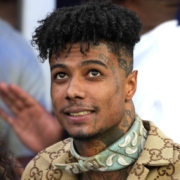
👉 For more background on Chrisean Rock and Blueface’s careers, check out Chrisean Rock’s Wikipedia page.

30
megan

Armon Wiggins Breaks Down Megan Thee Stallion vs. Milagro Gramz Defamation Trial

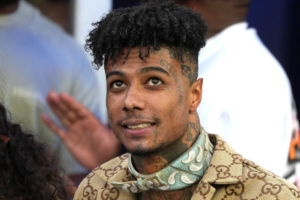
Fans lined the streets outside the federal courthouse in Miami, cheering as Megan Thee Stallion made her way through the doors. Cameras flashed. Social media exploded. And inside, the third day of her high-profile defamation trial against online commentator Milagro Gramz was unfolding — a tense battle over reputation, influence, and the impact of false statements in the digital age.

While the courtroom drama captured headlines, Armon Wiggins called DJ Akademiks to provide a rare, behind-the-scenes breakdown of the trial. Wiggins, who has been following the case closely, offered insights that went beyond the soundbites and viral clips, giving fans a clearer picture of what was happening in real time.

megan


The Stakes of the Trial

Megan Thee Stallion isn’t just fighting for herself — she’s fighting for artists everywhere who face defamatory statements online. According to Wiggins, the claims made by Milagro Gramz were not minor; they were harmful statements that had the potential to damage Megan’s career and personal life. The trial represents more than legal proceedings — it’s a statement about accountability in a world where viral commentary can shape public perception instantly.

“This isn’t just about Megan,” Wiggins explained to Akademiks. “It’s about anyone in the public eye being targeted by false information online. This trial sets a precedent.”


Courtroom Highlights

The day was packed with testimony, evidence presentation, and moments that had both fans and courtroom observers on edge. Wiggins highlighted several key takeaways:

  • Contradictory Testimonies: Witnesses directly challenged Milagro Gramz’s statements, providing context and evidence that disproved the claims being made.

  • Impact Evidence: Megan’s legal team demonstrated how the spread of false information had tangible consequences on her career and personal life, underscoring the severity of online defamation.

  • Supporter Energy: Outside the courthouse, fans cheered every time Megan’s attorneys delivered a compelling argument, showing visible solidarity that mirrored the broader social media support she receives.

Wiggins emphasized that the courtroom energy reflected a turning point: Megan’s team was methodical, professional, and persuasive, presenting a clear case that the allegations were false and damaging.


Why This Case Matters

In today’s digital landscape, viral accusations can cause real-world harm. Artists, influencers, and public figures often navigate a minefield where one misstatement can spiral into headlines, memes, and long-lasting reputational damage.

According to Wiggins, this trial is about establishing boundaries for commentary and online critique. “People think you can say whatever you want online with no consequences,” he said. “This case proves that false statements, especially when amplified to millions, carry accountability.”

For Megan, the stakes are deeply personal. Her reputation, brand, and influence are tied to her authenticity. Defamation threatens not only how fans perceive her but also the trust she’s built with collaborators, sponsors, and the public.


The Role of Armon Wiggins in Breaking It Down

Fans following the trial closely have relied on Wiggins’ insights to understand the nuances that often don’t make the headlines. Through DJ Akademiks’ platform, Wiggins explained legal strategies, dissected testimonies, and highlighted the courtroom dynamics that make a difference beyond the clips circulating online. His breakdown offered clarity, context, and perspective — helping fans separate fact from viral fiction.


The Ongoing Saga

While the trial is still underway, Wiggins conveyed optimism about Megan’s position. Her legal team’s careful approach and detailed evidence are making a strong impression, both in the courtroom and with the public.

“This isn’t just about proving a point in court,” Wiggins said. “It’s about sending a message: defamatory behavior online has consequences. Artists, commentators, and fans alike need to understand that words matter.”

The outcome of the trial will resonate far beyond the individuals involved. It’s shaping the conversation around online accountability, celebrity culture, and the power of digital narratives.


Key Takeaways for Fans and the Industry

  1. Defamation Has Real Consequences: False statements online can damage careers, reputations, and mental health.

  2. Public Support Matters: Fans outside and online amplify the pressure and visibility, reminding courts and commentators that the public is watching.

  3. Legal Strategy is Everything: Megan’s meticulous preparation shows how a professional legal approach can counteract false claims effectively.

  4. Precedent for Accountability: This trial signals a turning point for the industry — commentators and influencers may now face real repercussions for spreading misinformation.


Conclusion

As Megan Thee Stallion exits the courthouse each day, the cheers of her supporters serve as a reminder: this case isn’t just about her reputation; it’s about establishing boundaries in an era where social media can make or break careers overnight.

Armon Wiggins’ breakdown alongside DJ Akademiks ensures that fans understand the full picture — from courtroom tactics to broader implications for online culture. For Megan, the trial is both a fight for personal vindication and a landmark moment in holding digital commentators accountable.

As the proceedings continue, one thing is certain: the world is watching, and this defamation case may shape the way the music industry, fans, and the public approach online statements for years to come.

👉 Stay connected with the latest updates on this story and more hip-hop news at The Urban Spotlight Homepage.
 

25
yg

DJ Akademiks Says YG Can’t Diss Offset Over Cardi B & Stefon Diggs Line — Here’s Why the Internet Is Eating This Up

It all started with a single bar.

YG dropped a line aimed at Offset — a line that pulled in Cardi B and Stefon Diggs and immediately sent shockwaves through hip-hop Twitter. It wasn’t even a full verse. Just one line. One moment. One spark.

And within hours, the conversation had already shifted.

Because the second DJ Akademiks saw that line, he jumped onto his livestream, leaned into the mic, and made it very clear:

YG had no business dissing Offset like that.
And in Ak’s world, when he says someone is out of line… he’s going to tell the whole internet exactly why.

yg


The Rant That Lit Up the Timeline

Picture it: Akademiks, live on stream, scrolling through comments, shaking his head before launching into the kind of rant that only he can deliver. His voice rises, his hands move, and he starts listing names, moments, and relationship receipts like a man who’s audited every rapper’s dating history.

His point is simple — and ruthless:

“YG can’t clown Offset about relationship drama when he dated Saweetie.”

To Ak, this wasn’t just commentary — it was an indictment.

He starts pulling up old headlines, old memes, old viral clips. He reminds his audience of every rumor, every joke, every bit of internet chaos that surrounded Saweetie long before she ever dated YG. And he makes it clear:

“You can’t talk about another man’s situation when the internet had a whole storyline about your girl.”

Ak didn’t tiptoe around it. He walked straight into the conversation and kicked the door off the hinges.


Why Ak Says YG Has “No Moral High Ground”

Ak’s logic?
It’s the kind of hip-hop math that only makes sense in a culture obsessed with receipts.

Offset may have had public issues.
He may have had messy headlines.
But — and this is Ak’s emphasis — he had those headlines with his wife.

A marriage.
A family.
Real life stakes.

Offset, according to Ak, faced the music publicly, owned it, repaired it, and stood by Cardi B even when the world had their opinions.

YG’s situation, Ak argues, was different.
The internet had already formed an opinion about Saweetie — months before he entered the picture.
He knew the memes, the rumors, the narratives.

And yet, he chose to step into that spotlight.

So when YG throws a jab at Offset, Ak thinks it feels… hypocritical.

In Ak’s words — delivered with the energy of someone slamming a table:

“Bro, the internet BEEN talking about your girl. You can’t clown Offset.”


Offset’s Side of the Story (According to Ak)

Ak goes deeper — because of course he does.

He explains that Offset doesn’t even care when rappers mention Cardi B.
She’s one of the biggest artists in the world. Mentions come with the fame.

Offset only reacts when rappers:

  • Mention Cardi

  • And mention him

  • In the same bar

  • To try and embarrass him

And since Offset and Cardi haven’t been together for almost a year, Ak argues the disrespect isn’t about Cardi at all.

It’s about the attempt to humiliate Offset.

To Ak, that’s what YG’s line did.

And that’s why, he claims, Offset took it personally.


Hip-Hop, Love, and Public L’s

As the rant continues, Akademiks zooms out, shifting from gossip to philosophy — hip-hop philosophy, at least.

He says every rapper, no matter how tough they act, takes a hit in the relationship department eventually.

No one is immune.
No one has a perfect record.
No one gets to pretend they’re above the internet’s jokes.

The internet remembers everything.
Screenshots never die.
And the comments section is undefeated.

So, he concludes:

“If your own situation wasn’t spotless, don’t fire relationship shots. Period.”


Why This Story Blew Up the Way It Did

This wasn’t just about YG.
Or Offset.
Or even Cardi B.

This blew up because the ingredients were perfect:

  • A spicy diss line

  • Two high-profile rappers

  • Relationship history

  • Celebrity drama

  • And DJ Akademiks narrating it like a sportscaster calling Game 7

Fans weren’t just watching the situation — they were choosing sides, dissecting relationships, digging up tweets from 2019, and creating memes faster than YG could refresh his notifications.

The bar started a conversation.
Akademiks turned it into a wildfire.


And the Truth Is… This Isn’t Ending Soon

This moment is the kind hip-hop lives for — messy, dramatic, and full of ego, pride, and unwritten rules.

YG hasn’t responded.
Offset hasn’t fully addressed the bar.
And Akademiks?
He’s somewhere right now, probably preparing another rant.

But one thing remains true:

In hip-hop, relationship drama hits harder when it’s tied to pride.
And Ak made sure everybody understands exactly why this one hit the way it did.

YG threw the line.
Offset felt the sting.
And Akademiks made sure the world didn’t miss a single detail.

The saga continues.

👉 Stay connected with the latest updates on this story and more hip-hop news at The Urban Spotlight Homepage.

👉 For more background on Chrisean Rock and Blueface’s careers, check out Chrisean Rock’s Wikipedia page.

29
minaj

Nicki Minaj Speaks at the UN on the Persecution of Christians in Nigeria

Global superstar Nicki Minaj recently took the stage at the United Nations to address an issue close to her heart: the persecution of Christians in Nigeria. Her speech, emotional, urgent, and deeply personal, underscored the importance of religious freedom, global awareness, and human rights advocacy.

Minaj’s address reminded the world that celebrity influence can extend beyond music and social media, becoming a force for humanitarian causes. By using her platform to shed light on violence and injustice, she demonstrated that artists have the power to spark global dialogue and change.


Nicki Minaj Brings Urgency to the Global Stage

Stepping up to the podium, Nicki acknowledged her nerves — a humanizing moment for a superstar accustomed to commanding arenas. She expressed gratitude to Ambassador Walts for the opportunity, noting that addressing the UN comes with immense responsibility. Her mission was clear: to call attention to the deadly threats facing Christians in Nigeria, where countless churches have been burned, communities displaced, and families torn apart simply because of their faith.

Minaj highlighted that religious persecution is not just a local or regional issue; it is a global human rights crisis. She urged world leaders and communities to take immediate action to defend religious freedom and prevent further atrocities.

“No one should face persecution for practicing their beliefs,” she said. “Religious differences should never justify fear, violence, or injustice.”

minaj


Personal Reflection and Connection

Nicki Minaj connected her advocacy to her own experiences as a proud New Yorker, grateful for living in a country where people can worship freely without fear. She emphasized that respect for different beliefs is a cornerstone of a just society, saying:

“We don’t have to share the same beliefs to respect each other.”

This sentiment highlights the universality of human rights. By sharing her personal perspective, Minaj helped the audience understand that freedom of religion is not just a policy issue — it is a moral imperative that touches lives across continents.


The Reality in Nigeria

Turning her focus to Nigeria, Minaj painted a stark and troubling picture. Christians there face systematic persecution: churches are burned, homes are attacked, and communities live in constant fear. Families are separated, and children are often left traumatized. Places of worship — central pillars of community life — are destroyed, eroding the very fabric of society.

Nicki made it clear that these attacks are not isolated incidents. They are part of a larger pattern of violence that demands global attention. She urged governments, organizations, and individuals worldwide to respond, stressing that inaction is not an option.

“When a church is burned, everyone’s heart should ache,” Minaj said.

Her words were both a call to action and a plea for empathy, emphasizing that defending persecuted communities is a collective responsibility.


Music, Faith, and Influence

Nicki Minaj drew a powerful parallel between her music career and the fight for religious freedom. Just as music transcends language, culture, and religion, faith allows people to express themselves, celebrate, and worship without fear.

“Music unites people across differences, and so should faith. Religious freedom allows everyone to sing, celebrate, and express their beliefs safely,” she explained.

Her point resonated deeply: freedom of expression, whether through art or religion, is a universal human right. By linking her advocacy to her artistry, Minaj demonstrated the importance of using influence to inspire positive change.


Global Solidarity and Unity

Throughout her speech, Minaj emphasized that protecting Christians in Nigeria is not about choosing sides or creating division. It is about standing together for humanity. She praised peacebuilders, interfaith leaders, and global advocates working tirelessly to promote unity, tolerance, and security.

She reminded the audience that faith is not a tool for division but a bridge that can connect people across boundaries. By highlighting those working toward interfaith solidarity, Minaj stressed that global cooperation is key to preventing persecution and fostering lasting peace.

minaj


A Call for Action

Minaj’s speech wasn’t just informative — it was a call to action. She urged world leaders, organizations, and citizens to advocate for religious freedom and protect vulnerable communities. Her plea was clear: awareness alone is not enough; action is essential.

“The world must listen. We must act. Religious persecution anywhere is a threat to humanity everywhere,” she said.

By calling attention to the situation in Nigeria, Minaj used her platform to shine a light on injustice and encourage meaningful engagement from global audiences.


The Role of Celebrity Advocacy

Nicki Minaj’s UN speech underscores a growing trend: celebrities leveraging influence for social and humanitarian causes. While artists often face criticism for stepping outside entertainment, Minaj demonstrated that global recognition comes with responsibility. Her advocacy shows that high-profile voices can drive attention, spark dialogue, and even influence policy on urgent issues.

Her speech is a reminder that fame and artistry can be powerful tools for change — when used intentionally and with purpose.


Key Takeaways from Nicki Minaj’s UN Address

  1. Religious freedom is a universal right: Everyone deserves to practice their faith safely.

  2. Awareness drives action: Celebrity influence can highlight underreported crises.

  3. Unity over division: Advocacy transcends nationality, religion, and politics.

  4. Empathy is essential: Understanding and supporting persecuted communities is a moral responsibility.

  5. Art and advocacy intersect: Influence can amplify critical human rights messages.


👉 Stay connected with the latest updates on this story and more hip-hop news at The Urban Spotlight Homepage.

👉 For more background on Chrisean Rock and Blueface’s careers, check out Chrisean Rock’s Wikipedia page.


30
kodak

Kodak Black Calls Out NBA YoungBoy and Mellow Rackz: “Clones” and Legacy in Hip-Hop

In hip-hop, influence, originality, and respect are often just as important as chart success. Recently, Kodak Black took to a live session to share his perspective on two rising artists — NBA YoungBoy and Mellow Rackz — calling them his “clones.” The comments quickly went viral, sparking discussions across social media about imitation, legacy, and generational influence in rap.

For Kodak, this isn’t just about beef or online drama. It’s about asserting the originality of his style, protecting his influence, and highlighting the foundation he laid for the next wave of artists.


Kodak Black Speaks Out

During the live session, Kodak was unfiltered and introspective. He spoke about watching younger rappers climb the ranks, observing their moves, their flows, their energy, and the uncanny similarities to his own artistry. His central question resonated:

“What if they were just gonna be like me?”

By calling NBA YoungBoy and Mellow Rackz “clones,” Kodak was pointing out a perceived mirroring of his career trajectory, musical style, and even personal brand. To him, it’s more than flattery — it’s recognition of influence and an acknowledgment of his impact on the current hip-hop landscape.

kodak


The Lens of Kodak’s Upbringing

Kodak contextualized his perspective by reflecting on his life experiences. Growing up in the trap, dealing with family pressures, and navigating systemic challenges shaped both his music and his worldview. He emphasized that his struggles and triumphs are not just personal milestones — they’re the blueprint for his artistry and cultural influence.

He spoke about his father, grandfather, and mother, underscoring the generational lessons that shaped his approach to life and music. This personal lens is what makes him protective of his originality and cautious of those who mimic his journey, whether intentionally or unintentionally.


Legacy, Influence, and Respect

For Kodak, calling someone a “clone” isn’t about attacking them personally. It’s about setting the record straight regarding influence and legacy. He wants the music community to understand that his contributions are unique — that his style, mindset, and story cannot be replicated.

He also touched on relationships, loyalty, and the nuances of survival in the music industry. Influence, he explained, isn’t just about music or style — it’s about mindset, lived experience, and perspective. This is what separates the original from those who follow in their footsteps.


The Industry Reaction

As expected, the response online was immediate. Fans, critics, and other artists debated the statement:

  • Is Kodak protecting his style and asserting authority?

  • Are NBA YoungBoy and Mellow Rackz genuinely mirroring his approach?

  • Or is this simply a natural clash in a culture built on competition and recognition?

Regardless of opinion, Kodak’s message is clear: acknowledgment matters, and respect for originality is paramount.


Why This Matters in Hip-Hop Culture

Hip-hop thrives on influence and inspiration. Every generation borrows, adapts, and builds on the work of those who came before. But Kodak’s statements highlight an important discussion about boundaries, originality, and credit in the industry. His comments serve as a reminder that influence is multifaceted — it includes music, style, mindset, and storytelling.

When Kodak calls out NBA YoungBoy and Mellow Rackz, he’s not just talking about tracks or social media presence — he’s making a case for respect and historical recognition in the culture he helped shape.


Key Takeaways from Kodak’s Message

  1. Originality is priceless: Protecting one’s style and contributions is crucial in a culture built on influence.

  2. Influence is multidimensional: It’s not just music — it’s mindset, approach, and lived experience.

  3. Recognition matters: Artists want acknowledgment for their contributions and impact.

  4. Hip-hop thrives on dialogue: Debate, discussion, and even tension drive growth and understanding in the industry.


Conclusion

Kodak Black’s live session isn’t just another viral moment — it’s a cultural statement. By calling NBA YoungBoy and Mellow Rackz his “clones,” he underscores the importance of originality, influence, and respect in hip-hop.

In an industry where every move, style, and lyric is consumed, shared, and dissected, Kodak’s reminder is clear: legacy matters, and recognition should be given where it’s due. Whether NBA YoungBoy and Mellow Rackz respond or not, this conversation has sparked an important discussion about influence, imitation, and respect in modern hip-hop.

👉 Stay connected with the latest updates on this story and more hip-hop news at The Urban Spotlight Homepage.
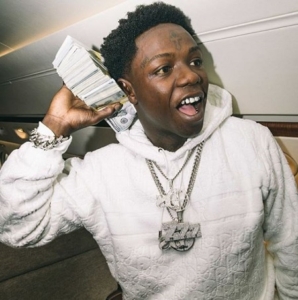
👉 For more background on Chrisean Rock and Blueface’s careers, check out Chrisean Rock’s Wikipedia page.

30
denver

Denver Health Inspectors Go Viral After Video Shows Bleach Being Poured Into Street Vendor’s Food: What Really Happened?

A viral video out of Denver has ignited intense debate across social media, raising questions about public health policy, street vending laws, and how cities treat vulnerable workers. The clip shows two Denver health inspectors allegedly pouring bleach into trays of food prepared by an unlicensed street vendor — a moment that shocked viewers nationwide.

While the video triggered outrage, confusion, and demands for accountability, a deeper look reveals a complex clash between city regulations, food safety concerns, and the harsh realities of small-scale vendors trying to survive. This SEO blog breaks down the full story behind the viral video, what Denver officials have said, and why the public is demanding change.


The Viral Video: What Viewers Saw

The video — which has been reposted thousands of times on TikTok, Instagram, and X — appears to show Denver health inspectors disposing of a vendor’s food by pouring bleach directly onto it.

Immediately, the internet erupted with questions:

  • Why were inspectors using bleach?

  • Is this legal under Denver health codes?

  • Who was the vendor?

  • Was this the only way the situation could have been handled?

The optics were undeniably harsh. For many viewers, the act didn’t look like enforcement — it looked like destruction.


City of Denver Responds: “This Is Standard Health Procedure”

According to Denver city officials, the vendor in the video had multiple major violations:

  • He did not have a legal license to sell food

  • The food was allegedly prepared without meeting safety standards

  • Inspectors are required to “render food inedible” to ensure it is not resold

This policy is not unique to Denver — many cities use bleach to destroy confiscated food because some vendors retrieve food from the trash and continue selling it. Bleach is considered the fastest way to prevent that.

Legally, the inspectors followed protocol.
Emotionally? The public saw something else entirely.

denver


Why the Video Sparked Outrage

Even if the procedure was legal, the optics were devastating.

People didn’t just see bleach.
They saw:

  • A vendor’s livelihood being destroyed

  • A worker possibly losing a full day’s income

  • A system that appears punitive rather than supportive

The emotional reaction was strong because the video represents something deeper:
a tension between public safety and public compassion.

Two truths can exist simultaneously:

  1. Food safety matters. Unregulated food can pose real health risks.

  2. The enforcement felt harsh, humiliating, and lacking empathy.

This moment highlighted the harsh reality that many low-income street vendors already face: navigating strict regulations while simply trying to make a living.


Street Vendors and Survival: The Larger Context

Across the U.S., street vending is rising — especially among immigrant communities. Many vendors face barriers such as:

  • Language challenges

  • Expensive or confusing permit processes

  • Limited access to commercial kitchens

  • Fear of law enforcement or city inspectors

For many families, street vending is not a side hustle — it’s their entire income.

Cities, meanwhile, must enforce food safety laws, especially around temperature control, contamination, and proper food handling.

This creates a complicated push-and-pull:

  • Vendors need to work to survive.

  • Cities need to enforce regulations.

  • The public wants safe food and humane treatment.

The viral Denver video exposed this conflict in the most visual way possible.


A National Conversation: Should Policies Change?

This incident has sparked renewed debate about whether current city policies are outdated or unnecessarily punitive. Many experts, activists, and community leaders argue that cities should focus on supporting vendors, not destroying their livelihoods.

Possible solutions include:

  • Low-cost permits

  • Multilingual licensing support

  • Mobile permit units that visit street vendors directly

  • Community kitchen access

  • Training programs instead of punishment

  • Grace periods for new vendors

Cities like Los Angeles and New York have already begun reforming their street vendor laws — but the Denver clip shows that many cities still rely on aggressive enforcement.


The Symbolism Behind the Bleach

To many viewers, the bleach wasn’t the issue — it was the symbolism.

People saw:

  • Power being used to destroy instead of support

  • Someone’s hard work erased in seconds

  • A system that appears stacked against low-income communities

That’s why the clip went viral: it wasn’t just the action, but what the action represented.


Denver’s Next Steps: Will This Become a Turning Point?

As public pressure grows, all eyes are on the City of Denver.
The question now is:

Will this be a catalyst for change, or just another viral moment that fades away?

The city maintains inspectors did their job correctly.
The public insists the rules need to evolve.

Between those two sides lies a conversation about:

  • Human dignity

  • Fair enforcement

  • Community safety

  • Economic opportunity

And above all:
How cities can enforce rules without destroying people’s ability to survive.


Conclusion

The viral video of Denver health inspectors pouring bleach into a street vendor’s food has become more than just a moment of outrage — it’s sparked a national conversation about fairness, public health, and the treatment of vulnerable workers.

Whether the city revisits its policies or simply doubles down on existing procedures remains to be seen. What’s clear is this:
People are watching, and vendors across the country are hoping this moment leads to real change.

👉 Stay connected with the latest updates on this story and more hip-hop news at The Urban Spotlight Homepage.


35
chance

DJ Akademiks Reveals Drake Was Hard at Work on the Iceman Episode

In the world of music and pop culture, fans often think they know the full story. Social media rumors, leaks, and speculation fill timelines, yet the truth behind a release is usually far more intricate. Recently, DJ Akademiks revealed to Chris Blake Griffith that Drake was actively working on Episode Three of the Iceman series, offering a rare glimpse behind the curtain of artistry, strategy, and precision.

This episode wasn’t a casual drop. It was crafted amidst a whirlwind of touring, live performances, appearances, and studio sessions. The process highlights how modern artists balance public expectations with the intense pressure of creating work that resonates globally.


The Pressure Behind Episode Three

According to DJ Akademiks’ insider, Episode Three was developed under extreme time constraints. Drake was juggling tour stops, fan events, and media appearances—all while maintaining the integrity of the music and narrative. The challenge wasn’t just the physical workload but also meeting the creative standards that fans have come to expect from one of the world’s most iconic artists.

“Episode Three makes sense,” the insider explained. “I’m not saying to gas; it’s about understanding the vision. You can’t rush genius, especially while he’s on tour, performing live, and trying to drop music that hits as hard as it should.”

The insider also mentioned a realignment conversation. This wasn’t about ego; it was about communication, making sure everyone involved—producers, managers, and collaborators—understood the vision, the timing, and how this episode fits into the larger narrative arc. Every decision was intentional, designed to protect the integrity of the project.

drake


Artistry Beyond the Surface

Fans often forget that behind every high-profile release is meticulous planning. Drake isn’t just dropping music—he’s sculpting an experience. Episode Three is crafted to hit differently, to challenge listeners, and to reward patience.

The insider drew comparisons to Drake’s Scorpion era, a time when the artist released a double album with one side filled with hard-hitting bars and the other showcasing smooth R&B. Every track placement was deliberate. Episode Three is no different: it’s a carefully curated journey that blends storytelling, emotion, and technical skill.

“Sometimes, you just gotta sit back as a fan,” the insider said. “Don’t be the guy reading the setlist backstage—let the story unfold. Respect the process.”


Managing Expectations in Real Time

Fans naturally feel anxious about new releases, but the insider reassured that this anticipation is part of the journey. At the time of the interview, the episode’s progress was at about 58% completion—a figure that reflects the artist’s dedication to precision, not uncertainty.

“Meter’s at 58% right now. It’s kind of a coin flip, but I lean on confidence that he’ll deliver,” the insider explained. “That’s respect for the high stakes. He knows expectations are massive, especially after years of iconic releases.”

This balance between art and life is what sets Drake apart. Even amid the chaos of live performances and promotional duties, he finds mental space to craft music with depth and intentionality. Episode Three isn’t just a release—it’s a testament to patience, craft, and dedication.


Fans as Part of the Journey

One of the most remarkable aspects of Episode Three is how fans are woven into the experience. The anticipation, the confusion, and the speculation aren’t accidental—they’re integral to the storytelling. Fans experience the puzzle before the pieces fall into place, deepening engagement and appreciation once the final product arrives.

“Right now, Atlanta’s watching, fans are watching, and it’s a test,” the insider said. “But this guy knows his craft. He’s gonna deliver. Just give him time.”


The Bigger Picture

This revelation underscores several truths about modern music production:

  • Artistry requires patience: True talent thrives under pressure and with meticulous attention to detail.

  • Strategic planning is essential: Every release involves logistics, communication, and timing that go beyond the public eye.

  • Fan engagement is part of the craft: Anticipation, speculation, and discussion enhance the impact of the final release.

  • Balancing life and work is critical: Even a global superstar must navigate tours, personal life, and creative deadlines.

Episode Three exemplifies how modern artists operate at the intersection of creativity, strategy, and audience expectation. It’s a reminder that what fans see online is only the tip of the iceberg—true artistry lives behind the scenes.


Conclusion

Drake’s work on Episode Three of the Iceman series is more than just another release—it’s a study in patience, precision, and dedication. DJ Akademiks’ insight reveals that the confusion and waiting fans experience are intentional, part of a carefully constructed journey designed to maximize impact and storytelling.

In today’s era of instant gratification and viral reactions, Episode Three stands as a testament to the value of craft, intentionality, and respect for the process. When it drops, it won’t just meet expectations—it will remind the world why Drake remains a master at blending artistry, strategy, and culture.

👉 Stay connected with the latest updates on this story and more hip-hop news at The Urban Spotlight Homepage.
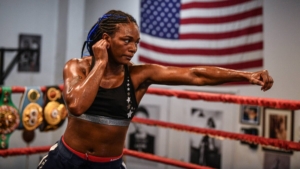
👉 For more background on Chrisean Rock and Blueface’s careers, check out Chrisean Rock’s Wikipedia page.

31
offset

Offset Claims Cardi B & Stefon Diggs’ Newborn Could Be His — Wack 100 Breaks It Down

In the world of hip-hop and celebrity culture, relationships aren’t just personal—they’re public, legal, and strategic. Every move, post, and comment can ripple across social media, mainstream news, and even the courtroom. Recently, Offset made headlines by claiming—or at least suggesting—that under Georgia law, Cardi B’s newborn with Stefon Diggs could technically be his child. The internet exploded with reactions ranging from confusion to outrage.

To break it down, Wack 100 sat down to explain the layers of this drama, offering insight into celebrity narrative control, legal complexities, and the subtle strategies that influence perception and public opinion. This story isn’t just about who gets the spotlight—it’s about power, influence, and how celebrity decisions reverberate beyond the surface.


Cardi B’s Mastery of Narrative

According to Wack, Cardi B has always been deliberate about controlling the story around her life. She knows how to leverage fame, fanbase loyalty, and social media to craft a narrative in her favor.

“She’s trying to ruin anybody who gets too close,” Wack explained. “It’s all about Cardi. That’s how she came up — and that’s how she’s gonna keep going. By 2033, she’s gonna have at least a few faux baby daddies.”

In other words, Wack sees Cardi’s strategy as gaslighting in plain sight—using influence and public perception as a tool, even when it involves personal relationships. Every viral post, tweet, or video is carefully calibrated to maintain her position of power, and the public often becomes part of the performance.

This insight is particularly fascinating when examining Cardi’s broader career. From viral freestyles to social media stunts, her ability to control perception has allowed her to maintain relevance, dominate media cycles, and even redirect criticism in her favor. In this scenario, Wack suggests Cardi is employing the same strategic mindset in her personal life, especially around romantic relationships and motherhood.


Offset’s Legal Position

On the other side of the story, Offset isn’t just reacting for attention. In Georgia, marital law gives a spouse certain presumptive rights over children born during the marriage. Even if biology says otherwise, a child can legally be considered yours.

That’s why Offset’s statement about potentially claiming Cardi B and Stefon Diggs’ newborn isn’t merely drama—it’s about clarifying parental rights and responsibilities.

Wack emphasizes this point:

“If a man believes a child could be his, he needs to clarify. It’s nothing to play with. Parenting isn’t a game.”

Offset’s position also highlights the subtle tension between legal reality and social perception. In celebrity culture, where every tweet, post, or interview is analyzed, addressing potential legal rights can be just as strategic as negotiating record deals or media appearances. By asserting the possibility, Offset ensures his voice is heard and his legal standing is clear—even as the public spins the story in countless directions.

offset


Celebrity Culture Amplifies Drama

What makes this situation unique is the public nature of every decision. Cardi B’s social media influence, Offset’s legal positioning, and the attention from fans and media create a pressure cooker environment.

Fame amplifies every rumor, reaction, and interpretation. Wack points out that Cardi’s ability to control narratives gives her an edge in public perception—sometimes at the expense of the truth, sometimes at the expense of her co-stars in the drama.

“It’s wild, because the public often assumes this is just entertainment,” Wack said. “But for those involved, these decisions have real-world consequences—legally, emotionally, and financially.”

This amplification effect means that even seemingly small interactions—like a comment, a like, or a subtle post—can spiral into a viral debate, legal scrutiny, or a fan war. In celebrity culture, influence is power, and every move is both a potential asset and a liability.


The Intersection of Law, Strategy, and Relationships

The situation underscores an important reality for celebrities: personal decisions can have legal and public consequences. Every relationship isn’t just emotional; it’s strategic. Fans see only the surface, but behind the scenes, legal advisors, publicists, and managers influence decisions that can impact careers, reputations, and financial security.

For example, navigating co-parenting situations under the watchful eye of social media requires careful planning. A misstep can lead to public backlash, a viral controversy, or even legal complications. Offset’s careful approach demonstrates that awareness of both legal rights and public optics is essential.

Wack 100’s insights also highlight how celebrity decisions are rarely isolated. They ripple through media, fan bases, family dynamics, and sometimes even the broader music industry. When high-profile artists interact in this way, the effects can last for months—or years.


Narrative Control and Influence

At the core of this drama is the battle over narrative. Cardi B, Wack explains, has learned to frame her stories in a way that positions her as both resilient and in control, even when tensions are high.

“She’s mastered the art of perception,” Wack said. “Everyone wants to jump in and react before knowing the full story. That’s power.”

Offset, conversely, asserts his own narrative by emphasizing legality and responsibility. By publicly addressing the child’s potential status, he balances personal accountability with strategic visibility. The resulting dynamic is a case study in celebrity narrative warfare—where influence, law, and personal decisions intersect.


Key Takeaways from Wack 100

  • Narrative is power: Cardi B knows how to use fame and influence to control the story.

  • Legal realities matter: Offset’s statement reflects potential parental rights under Georgia law.

  • Celebrity relationships are multi-dimensional: They blend personal, public, and legal considerations.

  • Clarity protects reputations: Understanding one’s rights and responsibilities is essential in high-stakes public situations.

  • Fame amplifies every move: Social media and press scrutiny turn private matters into cultural debates.

  • Strategy beats impulse: Quick reactions can create long-term consequences; careful planning is essential.


Humor, Humanity, and Celebrity Culture

Despite the tension, Wack notes that humor and humanity are still part of the mix. Cardi’s savvy, Offset’s assertiveness, and the public’s fascination create moments that are entertaining but also deeply instructive.

Celebrity culture thrives on this balance—mixing personal drama with entertainment, lessons with spectacle, and strategic thinking with visibility. Wack emphasizes that understanding this duality is key to navigating not just hip-hop fame, but any high-profile environment.


Conclusion

Offset’s comments about Cardi B and Stefon Diggs’ newborn are more than a viral moment—they’re a glimpse into the complex web of celebrity relationships, law, and strategy. Wack 100’s breakdown reminds fans that behind every headline is nuance: narrative control, legal considerations, and calculated decision-making.

In the end, fame doesn’t simplify life—it magnifies it. Every move, every statement, every post carries consequences. And in celebrity culture, understanding how to navigate those waters isn’t just survival—it’s strategy.

For fans, aspiring artists, and anyone watching the intersection of fame, law, and media influence, the lesson is clear: visibility comes with responsibility, and influence can be both a tool and a weapon.

👉 Stay connected with the latest updates on this story and more hip-hop news at The Urban Spotlight Homepage.

👉 For more background on Chrisean Rock and Blueface’s careers, check out Chrisean Rock’s Wikipedia page.

30
blueface

WACK 100 Explains Blueface’s Return — Family, Freedom & the Chrisean Rock Situation

In the world of hip-hop, success isn’t just about streaming numbers, viral moments, or sold-out shows. Careers are influenced by strategy, mentorship, loyalty, and the complex realities of personal life—especially when family, public perception, and legal situations intersect. For fans, seeing a celebrity walk out of jail and immediately return to work might seem like a spectacle. But behind the headlines, every decision carries weight, and guidance from trusted figures can shape outcomes that last far beyond a single news cycle.

Recently, Wack 100 sat down to discuss Blueface’s release from jail and the challenges of navigating fame, parenthood, and complicated relationships. The conversation offered insight into what it takes to rebuild a life in the public eye while protecting family, maintaining focus, and avoiding past pitfalls.

blueface


Full Speed Ahead: Blueface Returns Working

Wack 100 described Blueface’s return as nothing short of extraordinary.

“He came back operating at 200% of what I expected,” Wack said.

The rapper didn’t waste any time. Within hours, phone calls started flooding in:

  • Reality TV offers were back on the table

  • Promoters were lining up concerts

  • Labels checked in for potential deals

  • Boxing match discussions resumed

  • A major Los Angeles show at the Palladium was scheduled for January

For Wack, the immediate focus wasn’t just the business. It was the foundation: making sure Blueface could sustain his momentum while staying grounded, avoiding trouble, and reconnecting with the people who matter most—his children.


Family First: Jaidyn and Chrisean Rock

Navigating family relationships after incarceration is never simple. Wack emphasized the importance of balance and clarity.

Co-parenting with Jaidyn

With the mother of his two children, Blueface has maintained stability. Communication, trust, and understanding have been consistent. Co-parenting, in this case, has been a source of focus and grounding for the rapper.

The Chrisean Rock Situation

With Chrisean Rock, the story is more complex. Blueface returned not to rekindle a romance or fuel drama, but to seek clarity—particularly regarding baby Krön, a child whose paternity has been questioned multiple times.

Wack explained that Blueface approached the situation responsibly. He wanted to step in if needed, acknowledging that Ronnie, the only other potential father, had passed away. Blueface didn’t force interactions or control the narrative—he allowed Rock to make her own choices. When she stayed for roughly a day and a half and then left, the rapper respected her decision.

Wack summarized the principle succinctly: “You can’t weaponize children. You can’t use them for clout or control.”


Business, Freedom, and Rebuilding Momentum

Blueface’s immediate return to work underscores a key truth: freedom is only meaningful if paired with focus and action. From live shows to record deals, reality TV opportunities, and boxing events, Blueface has reasserted his relevance. But Wack reminds fans that staying out of trouble is just as critical as capitalizing on opportunities.

“Business is important,” Wack said, “but staying focused and protecting your circle is even more important. That’s how you last.”

This perspective highlights the delicate balance celebrities must strike between visibility and personal stability. One misstep—especially in a digital age where news spreads instantly—can jeopardize both reputation and future deals.


Parenthood, Responsibility, and Industry Realities

The conversation also dove into parenting and relationships in the music industry. Wack and Adam22 engaged in candid discussion about double standards, fidelity, and accountability. From “pull-out mode” jokes to serious dialogue about respect and responsibility, the episode revealed the tension between entertainment culture and real-life obligations.

Wack stressed that Blueface is focused on:

  • Fatherhood

  • Stability

  • Avoiding toxic influences

  • Keeping his inner circle tight

This isn’t the reckless Blueface of the past. This is a man aware of the stakes, prepared to act with both caution and initiative.


Clarity, Strategy, and Longevity

Beyond family and business, the episode illuminated a deeper theme: clarity is power. In Wack’s words, Blueface’s success isn’t just about taking every opportunity—it’s about making smart, intentional moves. By maintaining focus, Blueface ensures his momentum doesn’t crumble under scrutiny or distraction.

Wack also praised the rapper’s mindset: approaching life with responsibility, understanding the risks, and positioning himself for long-term relevance. Freedom, after all, comes with accountability.


Key Takeaways from the Wack 100 Interview

  • Family matters first: Co-parenting and children take precedence over clout or drama.

  • Clarity beats chaos: Mental focus enables strategic decision-making in a high-pressure industry.

  • Freedom requires responsibility: Rebuilding a career isn’t just about opportunity; it’s about avoiding pitfalls.

  • Children are not weapons: Emotional manipulation using kids is unacceptable.

  • Visibility has consequences: Every public move carries weight, and not all platforms are equally safe.


Conclusion

Wack 100’s breakdown of Blueface’s post-jail return offers more than a celebrity update—it’s a blueprint for navigating fame, relationships, and responsibility in the music industry. Blueface’s journey is a reminder that success isn’t just measured in streams, headlines, or bookings. It’s measured in clarity, family, accountability, and the choices you make behind the camera.

For fans, the story is entertaining. For aspiring artists, it’s instructive. And for the culture, it’s a case study in resilience, strategy, and the careful balance between freedom and responsibility.

Blueface is back. Focused. Grounded. And ready to write a new chapter—on his terms.

👉 Stay connected with the latest updates on this story and more hip-hop news at The Urban Spotlight Homepage.

👉 For more background on Chrisean Rock and Blueface’s careers, check out Chrisean Rock’s Wikipedia page.

27
mane

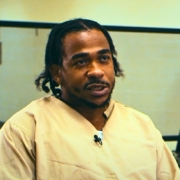
FYB J Mane Explains Why Lil Durk Advised Against Returning to No Jumper

mane

In the world of hip-hop, navigating fame isn’t as simple as dropping hits or going viral. Careers are shaped by loyalty, mentorship, strategy, and street politics—forces that often operate behind the scenes. For fans, it’s easy to see a podcast interview or viral clip and assume it’s just entertainment. But for those inside the culture, every decision carries weight, and guidance from those who’ve lived it can mean the difference between success and setbacks.

Recently, FYB J Mane sat down with Adam22 on No Jumper, offering one of the most candid insights into the intersection of street smarts and hip-hop careers. What started as a casual conversation about lifestyle choices quickly evolved into a discussion on mentorship, loyalty, and subtle strategies for survival in an industry that rewards visibility but punishes missteps.


Keeping the Mind Sharp

J Mane, known for his clarity and calculated approach, shared that he no longer smokes weed. The choice isn’t about judgment—it’s about mental clarity. As he put it, a clear mind allows him to analyze situations, recognize potential pitfalls, and make informed decisions. In hip-hop, where social media reactions can spiral out of control in minutes, mental clarity is a superpower.

“Every move you make has consequences,” J Mane said. “Not just for you, but for your community. You can’t just act on impulse. You have to think ten steps ahead.”

It was this mindset that made Lil Durk’s advice resonate so deeply. Durk, a seasoned veteran of Chicago’s music scene, didn’t tell J Mane what to do lightly. Instead, he offered a protective, experienced perspective: “Don’t go back on No Jumper.”


The Weight Behind the Advice

For those unfamiliar, No Jumper is one of the most influential platforms in hip-hop. Interviews can go viral instantly, shaping public perception and cultural narratives. But as J Mane explained, not every spotlight is safe.

Durk’s warning wasn’t about fear—it was about strategy. Social media and podcasts amplify mistakes. A poorly worded comment, a misunderstood story, or even a minor misstep can spiral into major consequences. For J Mane, respecting Durk’s guidance meant evaluating the risk, understanding the stakes, and prioritizing long-term legacy over momentary exposure.

“You can’t just chase clout,” J Mane emphasized. “Sometimes, the quiet moves protect more than the loud ones ever could.”


Loyalty and Community in Hip-Hop

The conversation also illuminated the importance of loyalty. In Chicago, hip-hop isn’t just a career—it’s a network, a culture, and a community. Relationships with mentors like Lil Durk, peers, and collaborators are intertwined with street credibility and respect.

“Durk didn’t say it to control me,” J Mane explained. “He said it to keep me safe, to make sure I’m thinking about the bigger picture. In our culture, that’s how loyalty works. It’s about guidance, not just friendship.”

J Mane also highlighted his support for other Chicago artists, emphasizing that his decisions are about protecting both himself and his community. Whether it’s business moves, collaborations, or public appearances, every choice carries implications that ripple far beyond the individual.


The Story of “Whoops”

Amid the discussion, J Mane shared insights into one of his signature projects: the “Whoops” product line. Initially a small entrepreneurial effort, it has grown into a symbol of influence and cultural relevance. Cardi B purchased it. Chance the Rapper referenced it on stage. Even Lil Durk’s mention in a song added new weight to its significance.

“Whoops isn’t just a product,” J Mane explained. “It’s credibility. Influence. People see it and know it means something. That’s why every move around it matters.”

This example underscores the layered decision-making in hip-hop. Visibility can create opportunity—but it also brings scrutiny. Durk’s guidance, combined with J Mane’s strategic thinking, ensures that exposure doesn’t come at the cost of reputation or safety.


The Role of Mentorship

One of the most compelling aspects of the interview was the way mentorship shaped decision-making. Lil Durk, with years of experience navigating fame, street politics, and media attention, provided advice rooted in observation and survival.

J Mane elaborated on how mentorship goes beyond giving instructions—it’s about perspective. “Mentors teach you how to read the room,” he said. “Not just the literal room you’re in, but the culture, the internet, the industry. Every move you make is observed and amplified.”

This advice is particularly relevant in today’s digital age, where every word, post, and appearance can be dissected and criticized in real time. By following guidance from experienced artists, emerging talent like J Mane can protect themselves and their communities while growing in influence.


Social Media, Public Perception, and Strategy

The conversation also delved into the challenges of modern social media. In an era where every interaction is public and opinions spread like wildfire, artists must balance authenticity with caution.

J Mane explained that respect and clarity are essential. “You can’t just react to the noise. You have to know when to speak and when to step back,” he said. “Durk’s advice helped me see that. It’s not about fear—it’s about survival and strategy.”

This theme resonates throughout the episode. The line between entertainment and real-life consequences has blurred, making mentorship, loyalty, and clear thinking more important than ever.


Humor, Humanity, and Hip-Hop Culture

Despite the serious lessons, the episode wasn’t devoid of humor. J Mane’s playful energy—jokes about Whoops, banter with Adam22, and light-hearted commentary—balanced the depth of the conversation.

This duality is central to hip-hop culture: blending entertainment, street intelligence, and strategy. By maintaining humor while addressing serious topics, J Mane showed that clarity, loyalty, and awareness don’t have to come at the expense of personality or culture.


Key Takeaways

The episode with FYB J Mane is more than just a podcast appearance—it’s a blueprint for navigating hip-hop culture with intelligence, loyalty, and awareness.

  • Mentorship matters: Experienced voices like Lil Durk provide perspective that can prevent costly mistakes.

  • Loyalty is intentional: Protecting your community and relationships is as important as building your brand.

  • Visibility has consequences: Not every platform or appearance is worth the risk; strategy beats clout.

  • Clarity is power: Mental focus allows artists to navigate fame, business, and street politics simultaneously.

Through this conversation, listeners gain a rare behind-the-scenes look at how artists like J Mane make decisions that shape careers, influence culture, and protect their communities—all while balancing humor, personality, and authenticity.


Conclusion

FYB J Mane’s appearance on No Jumper was more than a typical podcast interview. It was a lesson in strategy, loyalty, and the importance of mentorship in hip-hop. Lil Durk’s advice not to return to the platform wasn’t about fear or control—it was about guidance, protection, and understanding the high stakes of visibility in the music industry.

For fans and aspiring artists alike, this episode reinforces a timeless truth: success in hip-hop isn’t just about talent or fame. It’s about awareness, patience, and the wisdom to make quiet decisions that speak louder than the loudest viral moments.

👉 Stay connected with the latest updates on this story and more hip-hop news at The Urban Spotlight Homepage.
 

30

DON’T MISS A BEAT

Be the first to know when our Urban Hotties is released.

We don’t spam! Read our privacy policy for more info.

© Copyright – 2021 The Urban Spotlight –  All Rights Reserved. Privacy Policy   Terms of Service | Find us On