host

DJ Vlad Opens Up to Michael Jai White About Trying Ozempic: “It’s Not a Cool Drug to Be On”

In a refreshingly honest sit-down, DJ Vlad surprised fans with a rare confession during his interview with Michael Jai White — he’d tried Ozempic, the wildly popular weight-loss drug sweeping Hollywood and social media.

What began as a lighthearted conversation about life, fitness, and longevity soon turned into a raw and relatable dialogue about health, accountability, and the illusion of shortcuts.

Known for his unfiltered interviews and straight-talking style, Vlad didn’t hold back. When Michael Jai White noticed his recent weight loss and asked what changed, Vlad’s answer came with a mix of honesty and hard-earned wisdom.


The Turning Point

Vlad revealed that a recent doctor’s visit had been his wake-up call.

“My doctor told me I was borderline pre-diabetic,” Vlad shared. “That scared the hell out of me. I’ve interviewed people who’ve died from diabetes. I didn’t want to be next.”

At around 215 pounds, he knew something had to change. Determined to get healthier, he explored options — and that’s when he decided to test out Ozempic, a medication often hailed as a “miracle” for weight loss.

For a few months, Vlad gave it a shot. The results came quickly — but so did the reality.

“It worked,” Vlad admitted. “I dropped from 200 to 195. But I didn’t like it.”


The Real Ozempic Experience

Unlike the glamorous portrayals seen online, Vlad described his experience as uncomfortable and draining.

“Imagine Thanksgiving dinner,” he explained. “You’re full — painfully full. You don’t even want to look at food. That’s how Ozempic feels — all the time.”

While the drug helped suppress his appetite, it also affected his energy, mood, and overall quality of life.

“You’re lighter, but your quality of life goes down,” he said. “You feel tired and detached.”

That’s when Vlad decided to stop. He didn’t want to rely on medication — he wanted to earn his results the old-fashioned way.

“I’ve lost weight before. I can do it again — naturally.”


Back to Basics

After quitting Ozempic, Vlad made a simple but powerful shift: discipline.

He began cutting out sugar — including his daily gallons of apple juice — and focused on hydration, clean eating, and consistent exercise.

“I didn’t even realize apple juice was carbs,” he laughed. “I thought I was being healthy. Nah — I was just drinking sugar.”

Now, his routine is grounded in balance and consistency. He spends an hour a day on the recumbent bike, drinks plenty of water, and tracks his calorie intake.

Michael Jai White offered a quick wellness tip of his own, reminding him that hydration isn’t just about water.

“Add lemon, add minerals,” Michael said. “Water alone just runs through you. You need full hydration.”

Vlad nodded, smiling:

“Lemon water it is.”


The Bigger Message

But beyond the physical transformation, Vlad’s story carried a deeper lesson — one about patience over shortcuts.

In an era where social media glorifies quick fixes and miracle drugs, his honesty stood out.

“It’s not a cool drug to be on,” Vlad said plainly. “You might lose weight, but you lose your energy too.”

That quote resonated across the internet, not because it was shocking, but because it was real.

Vlad’s openness reminded fans that health isn’t about perfection or pills — it’s about persistence. His journey back to fitness is grounded not in hype, but in habits — cardio, hydration, and consistency.
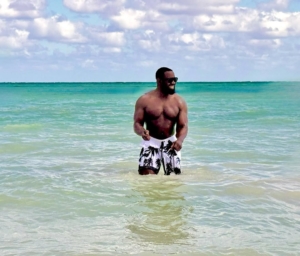
michael


A Conversation That Hit Different

The exchange between DJ Vlad and Michael Jai White went beyond fitness talk. It became a conversation about longevity, discipline, and masculinity in the age of quick results.

Vlad, known for chronicling the highs and lows of hip-hop culture, flipped the lens inward — showing that even the interviewer has lessons to learn and battles to fight.

For once, the headline wasn’t controversy — it was accountability.


Conclusion

DJ Vlad’s revelation about trying and quitting Ozempic wasn’t a viral gimmick — it was a moment of truth. His willingness to be vulnerable about his health journey gave fans something rare: authenticity.

In a time when everyone’s chasing instant results, Vlad reminded us that the real victory lies in consistency, not convenience.

As Michael Jai White put it best, it’s not just about looking good — it’s about feeling strong enough to live long.

And for Vlad, that strength comes not from a syringe…
but from self-discipline.

👉 Stay connected for the latest hip hop and streaming news at The Urban Spotlight Homepage

👉 For more background on Floyd Mayweather’s career and empire, check out his Wikipedia page

29
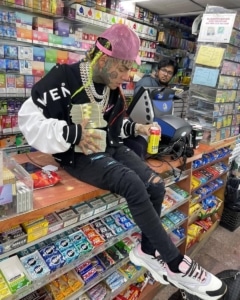
tekashi

Adam22 Opens Up About Linking With 6ix9ine & SteveWillDoIt in Wild Miami Interview

In one of the most unpredictable crossovers in hip-hop and influencer culture, Adam22 of No Jumper linked up with Tekashi 6ix9ine and SteveWillDoIt for a wild, high-energy interview inside a Miami penthouse. What started as a simple podcast taping turned into a chaotic, unforgettable night — filled with clout, controversy, and reflection from some of the internet’s biggest names.

The moment Adam stepped into the penthouse, he knew this wasn’t business as usual. “It felt like the AVN Awards,” he later joked. “Everywhere I looked — lights, cameras, models, chaos. That’s Miami.”

The air was buzzing. The skyline glowed through floor-to-ceiling windows. And at the center of it all sat 6ix9ine — colorful, controversial, and ready to talk.


The Setup: Chaos at the Top Floor

The scene felt straight out of a movie. The top floor was all SteveWillDoIt — glass walls, marble floors, and no neighbors to complain about the noise. Bottles popped, music blasted, and a rotating cast of influencers, models, and streamers floated in and out like it was a never-ending afterparty.

Halloween had just ended, but in Miami, the celebration never stopped. Adam22 — known for his raw interviews with hip-hop’s most polarizing figures — had come to talk, not to turn up. But this time, even he couldn’t ignore the energy.

“I wasn’t there to party,” Adam said. “I was there to get the story. But man, it was wild — easily one of the craziest setups I’ve ever done an interview in.”


The Reunion: Adam22 and 6ix9ine Face to Face

This wasn’t the first time Adam crossed paths with Tekashi. Nearly a decade earlier, 6ix9ine was still a young, unknown artist grinding in New York. Adam remembered those early SoundCloud days — colorful hair, raw energy, a rapper trying to break through the noise.

Back then, Adam didn’t do 6ix9ine’s first interview — something the rapper never forgot. Fast-forward to now, and the two finally sat down for what fans are calling “the full circle moment.”

“He told his story — the rise, the betrayal, the people who helped him and the ones who didn’t,” Adam explained. “He wasn’t dodging questions. He was owning it all.”

At one point, 6ix9ine even admitted he’d had ghostwriters in the early stages of his career — something few artists would dare to confess. “He said it like it was nothing,” Adam recalled. “That’s what makes him fascinating. He’s brutally honest about everything — even the stuff that might hurt him.”


Miami Madness: Inside the Wildest Interview Scene of the Year

As the cameras rolled, the madness around them only intensified. Every few minutes, a new group of women — influencers, OnlyFans stars, or just curious fans — would step into the penthouse. SteveWillDoIt was in full host mode: laughing, vibing, and keeping the energy high.

“It was like Miami in a nutshell,” Adam laughed. “You got the music, the luxury, the chaos, and the content all happening at once.”

For most people, it would’ve been too distracting. But for Adam, it was perfect. He thrived in the unpredictability — and that’s where the real conversations came out.


6ix9ine’s Reflection: A Moment of Clarity

Despite the noise, there were moments of quiet honesty. Adam noticed something different about 6ix9ine this time — a sense of reflection, maybe even a hint of finality.

“He’s doing every platform right now — Vlad, Akademiks, Trap Lore Ross — it’s like a farewell tour,” Adam said. “You can tell he’s getting everything off his chest before whatever comes next.”

There’s tension in those moments — the kind that comes when fame, fear, and time start to collide. 6ix9ine laughed between stories, but there was weight behind his words. “You can tell he’s been through it,” Adam added. “He’s part entertainer, part survivor.”


Fame, Fast Life & Perspective

As the night went on, Adam found himself reflecting too. Watching 6ix9ine and Steve live like every day was 2016, he admitted a part of him wondered what his life might’ve looked like if he’d taken the same path.

“These guys live fast,” he said. “They’ve got money, fame, everything — but it comes with chaos. Honestly, I probably dodged a bullet. If I lived like that, I’d be burned out or worse.”

Still, Adam couldn’t deny it — this was modern fame in real time. Cameras rolling. Content streaming. Life happening in 4K.

“This isn’t just hip-hop anymore,” he said. “This is the new Hollywood — livestreams, scandals, and penthouses. The internet doesn’t just watch it; it lives it.”

6ix9ine


Social Media Explosion

Clips from the night began circulating almost instantly. Fans flooded Twitter, TikTok, and Reddit with reactions — half in awe, half in disbelief. Hashtags like #Adam22, #6ix9ineMiami, and #SteveWillDoIt trended overnight.

Some called it “the wildest interview of the year.” Others joked it was “what happens when clout goes to heaven.”

Whatever the take, everyone agreed on one thing: the chemistry between the three created a snapshot of internet culture — raw, unfiltered, and addictive.


The Bigger Picture: When Content Becomes Reality

By the time Adam left the penthouse, the city lights had dimmed and the chaos had finally quieted. Standing on the balcony, he looked out over Miami — realizing he hadn’t just filmed an interview; he’d witnessed a cultural moment.

“For guys like 6ix9ine and Steve,” he said, “there’s no line between content and reality. It’s all the same thing now. And that’s what makes it so fascinating — and dangerous.”

In that sense, the night wasn’t just about clout or controversy. It was a snapshot of a generation — one where fame never sleeps, and the show never really ends.


Conclusion

Adam22’s wild night with 6ix9ine and SteveWillDoIt wasn’t just another viral moment — it was a glimpse into the evolution of fame itself. A world where interviews look like parties, honesty competes with spectacle, and the line between real life and content grows thinner by the day.

For Adam, it was both a reminder and a revelation: he’s part of this new media world — but he’s one of the few still aware of how surreal it’s become.

Because in today’s culture of constant cameras and endless content, there’s no curtain call. The lights never go out.
Only the feed keeps scrolling.


🧠 SEO DETAILS

SEO Title:
Adam22 Talks Wild Miami Link-Up with 6ix9ine and SteveWillDoIt

Permalink (URL Slug):
adam22-6ix9ine-stevewilldoit-miami-interview

Meta Description:
Adam22 opens up about his wild Miami interview with 6ix9ine and SteveWillDoIt. From chaos and clout to raw honesty, this inside story captures the madness, reflection, and energy behind one of the internet’s most talked-about moments.

Focus Keyword:
Adam22 6ix9ine SteveWillDoIt Miami interview

👉 Stay connected for the latest hip hop and streaming news at The Urban Spotlight Homepage

👉 For more background on Floyd Mayweather’s career and empire, check out his Wikipedia page

20
trump

Trump Throws Great Gatsby Party as SNAP Benefits Expire, Blames Democrats for Shutdown & Dodgers Win

trump

It’s another wild weekend in America — the kind that feels like satire but somehow isn’t.
A weekend that perfectly captures the duality of this country: joy and struggle, excess and survival, the rich celebrating under chandeliers while working families wonder how to feed their kids.


The City of Angels on Fire

Out west, Los Angeles is alive again.
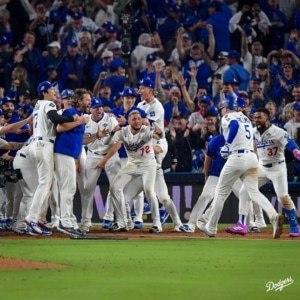
The Dodgers have made history — back-to-back World Series champions. Two in a row.
The city hasn’t felt this electric in years.

Fireworks explode over downtown.
Fans climb fire trucks, cars spin donuts at intersections, music blasts from every block.
The streets are chaos — beautiful chaos.

You see strangers hugging like family, old men crying, kids waving flags twice their size.
Even that one guy — painted Dodger-blue from head to toe — sprints through the crowd like he’s carrying the spirit of the city on his back.
Nobody stops him. Nobody questions him.
He’s part of it.

Because in L.A., this isn’t just about baseball.
It’s about faith — in the city, in the comeback, in the idea that something good can still happen in a country that feels broken half the time.


Meanwhile at Mar-a-Lago…

Three thousand miles away, another kind of party is happening.
Donald Trump is throwing a Great Gatsby–themed Halloween gala at Mar-a-Lago.
You heard that right — Gatsby, the book about greed, illusion, and moral decay — and somehow, Trump thinks he’s the hero of it.

Guests arrive in sequined gowns, tuxedos, and pearls.
A woman spins inside a martini glass while jazz plays softly in the background.
There’s even an ice sculpture of an eagle holding a golf club.

It’s peak excess — the definition of tone-deaf — because this party is happening on the same weekend millions of low-income Americans lose their SNAP food benefits.

Nothing screams “out of touch” quite like sipping champagne under gold ceilings while families are figuring out how to stretch peanut butter and noodles for the week.


The Blame Game

But Trump doesn’t see irony — he sees opportunity.
On Truth Social, he posts:

“I do not want Americans to go hungry — it’s the radical Democrats’ fault.”

It’s the same playbook every time:
Deflect. Deny. Distract.

He blames Democrats for a shutdown he helped orchestrate — all while standing next to a chocolate fountain shaped like his own head.

Polls show his approval rating slipping to 37% — which, coincidentally, is about the same percentage of his face that isn’t covered in orange spray tan.

But Trump doesn’t care.
He’s too busy reenacting the Roaring Twenties, turning economic anxiety into a backdrop for selfies.
He even congratulates the Dodgers online, posting:

“See you all at the White House… or what’s left of it.”

Even his compliments sound like threats now.

trump


The Interview: Blame Biden for Everything

A day later, Trump sits across from Norah O’Donnell on 60 Minutes.
It should’ve been serious — a chance to talk about leadership and the economy.
Instead, it becomes another episode of “Everything Bad Is Biden’s Fault.”

Inflation? Biden.
Gas prices? Biden.
Immigration? Biden.
Melania’s bad mood? Probably Biden too.

He even claims,

“We had no inflation under me. Biden destroyed the country.”

That’s an interesting statement —
coming from the same man who left classified documents stacked next to golf trophies and tanning spray in his Mar-a-Lago bathroom.

When asked if he plans to run for a third term — which, legally, he can’t — he smirks and says:

“A lot of people want me to. When elections are rigged, you’re allowed to do it again.”

That’s not how democracy works.
That’s Mario Kart.
You don’t get a do-over just because you lost and cried about it.


The Split-Screen America

Inside Mar-a-Lago, the music keeps playing.
Trump’s guests laugh, toast, and dance —
while outside, the real world tightens its belt another notch.

The new SNAP reductions mean families are getting half of what they used to.
Parents are calculating grocery lists like math problems.
Kids are asking why dinner looks different.

And while they’re scraping by, Trump’s party debates whether the caviar pairs better with rosé or regret.

It’s the perfect split-screen moment in modern America:
On one side — fireworks, baseball, and real community.
On the other — gold chandeliers, self-importance, and detachment.

Trump dresses as Gatsby, but he’s more like a ghost of the Jazz Age —
a man waltzing on the deck while the ship slowly sinks beneath him.


The Heartbeat That Still Remains

But even amid the absurdity, there’s still something beautiful.
While Trump’s masquerade fades into another headline,
Los Angeles — and America itself — keeps finding reasons to cheer.

Because the real heartbeat of this country isn’t in Mar-a-Lago ballrooms.
It’s in the noise of celebration, in the resilience of people who refuse to give up.
It’s in the small moments — neighbors sharing food, kids wearing team jerseys, fireworks lighting up the night sky.

Trump can keep his Gatsby party.
The rest of us?
We’re too busy trying to build something real —
one meal, one game, one act of hope at a time.

👉 Stay connected for the latest hip hop and streaming news at The Urban Spotlight Homepage

👉 For more background on Floyd Mayweather’s career and empire, check out his Wikipedia page

30
cooper

Michael Cooper on Magic Johnson’s Private HIV Confession Before the World Knew (Part 12)

cooper

In an emotional and powerful reflection, Lakers legend Michael Cooper opened up about one of the most defining and heartbreaking moments in basketball history — the day Magic Johnson told him he had tested positive for HIV, before the world knew.

The End of Showtime

It was May 5th, 1990, and the golden glow of the Showtime Lakers was dimming. The dynasty that had electrified Los Angeles for a decade — five championships, unforgettable rivalries, and larger-than-life personalities — was entering its twilight.

Michael Cooper, one of the franchise’s most loyal defenders and emotional anchors, had just finished his final NBA game.

Dr. Jerry Buss, the visionary owner behind Showtime, offered Coop several paths forward:
he could retire gracefully, be traded, be cut, or sign a five-year contract as a coach within the Lakers organization.

But Cooper couldn’t picture himself wearing another uniform — not after giving everything to the purple and gold.

“I just wanted to walk away on my own terms,” he said.

So, he did.

He packed his bags for Rome, taking his talents overseas for one final run. There, surrounded by history — the Coliseum, cobblestone streets, Italian espresso mornings — Cooper found something he hadn’t felt in years: peace.

When he returned home, Buss created a new position just for him: Assistant to the General Manager. The loyalty went both ways.
He was still part of the Lakers family — because once a Laker, always a Laker.

A Changing of Eras

By 1991, the Lakers were facing a new kind of challenge. A new face of basketball — Michael Jordan — had arrived, and the Finals that year marked a passing of the torch.

Cooper, now on the sidelines, could feel the shift coming. But even that couldn’t prepare him for the moment that would shake his world — and the sports world forever.

Magic’s Private Revelation

One afternoon in November 1991, Magic Johnson called a private meeting at The Forum.

Inside were Jerry West, Kareem Abdul-Jabbar, Dr. Jerry Buss, and Michael Cooper. The atmosphere was heavy, uncertain. Magic looked each of them in the eye and quietly said the words that would change everything:

“I’ve tested positive for HIV.”

Cooper says the room fell silent.
Time seemed to freeze.

Back then, HIV wasn’t just feared — it was misunderstood, stigmatized, and, in many people’s eyes, a death sentence.

“I just started crying,” Coop remembered. “I asked him, ‘E, what happened?’”

Magic, calm and composed, simply smiled and said,

“Con, don’t cry. God’s got me.”

Those words, simple but profound, reflected the same optimism and strength that had defined Magic’s entire career — both on and off the court.

The Public Announcement That Shook the World

That very same day, Magic Johnson stepped up to a microphone in front of cameras and reporters, announcing to the world that he had tested positive for HIV.

The sports world stopped.

The face of basketball — one of the most beloved athletes in the world — had just shared something no major player had ever revealed.

Many fans didn’t know how to react.
Some teammates were afraid to even share the court with him.
But Magic handled it with grace, faith, and unwavering confidence.

He became more than a basketball icon — he became a symbol of resilience, awareness, and hope.

Over the years, Magic used his platform to educate millions, breaking stigma and changing the conversation around HIV and AIDS. Alongside advocates like Elizabeth Taylor, he became a leading voice for compassion, awareness, and scientific progress.

Thirty Years Later — A Legacy of Light

Today, more than thirty years later, Magic Johnson is still here — healthy, thriving, smiling, and inspiring generations that weren’t even born when he made that announcement.

He’s a businessman, philanthropist, and one of the most respected figures in sports history. But for Michael Cooper, his legacy isn’t just about basketball or business — it’s about divine purpose.

“I believe Magic was chosen for that moment,” Cooper said. “To carry the burden, to change the world.”

And maybe he’s right.

Because Magic didn’t just change how people viewed the disease — he changed what it meant to live with purpose, to stand in faith, and to lead with light even in the darkest moment.

The True Definition of Brotherhood

For Cooper, that moment wasn’t about fame, glory, or even basketball. It was about brotherhood — the kind that outlasts championships, fame, and time.

The Lakers dynasty was built on talent, yes, but also on love, loyalty, and unity. And even as one chapter ended and another began, that brotherhood remained.

Magic Johnson’s courage reminded the world that heroes aren’t defined by what happens to them — but by how they respond.

And Michael Cooper’s story reminds us that friendship, loyalty, and empathy can carry someone through even the hardest truths.

👉 Stay connected for the latest hip hop and streaming news at The Urban Spotlight Homepage

👉 For more background on Floyd Mayweather’s career and empire, check out his Wikipedia page

30
Suspect

Suspect Opens Up About Returning to Prison in January — Redemption, Reality, and Responsibility on Full Display

Suspect

In the latest No Jumper episode, emotions ran high as Almighty Suspect sat down with Lush Uno and Jessica West for one of his most honest and heartfelt conversations yet. It wasn’t just another podcast episode — it was a real moment. A rare glimpse into the life of a man facing the weight of his past while trying to walk a better path forward.

A Monday Morning Full of Truth

It’s a fresh week in the city. The No Jumper studio hums with energy — cameras rolling, lights on, and laughter cutting through the air. Lush cracks jokes to set the vibe. Jessica brings her trademark warmth. And in the middle of it all, sits Suspect — calm, composed, but carrying something heavy beneath his cool exterior.

For weeks, fans online had been spinning rumors.
Free Suspect.
He got fifteen years.
The internet loves a headline. But today, the man himself clears the air.

Suspect reveals what really happened: when he walked into court expecting sentencing, the case took a left turn. A new district attorney had stepped in — young, calm, and surprisingly fair. The energy was different this time.

“I’m not giving him six years. Not until we see how the other case plays out,” the DA told the court.

Instead of being locked away immediately, Suspect was granted a temporary reprieve — time to breathe, to be with family, and to live life outside the system a little longer.

He smiles, half relieved, half reflective. “I get Thanksgiving. I get Christmas. I get time with my babies.”

Jessica leans in, eyes bright: “That’s a W, Sus.”
And it really is.

Growth in Real Time

For two years, Suspect has been showing up — every court date, every hearing, no excuses. No running. No hiding. Just accountability. And now, the system sees him differently — not as a problem, but as a man trying to take responsibility.

He admits, “I don’t wanna take no time… but whatever’s going on up there, I’ma eat it. I’ma do what I gotta do.”

That’s not defeat — that’s maturity. It’s growth in motion. A man who’s learned that strength isn’t about dodging consequences, but facing them with a clear head and a clean heart.

Fatherhood Over Fame

The tone shifts as the conversation turns from courts to kids — from stress to smiles. Suspect lights up when he talks about his daughters. His oldest wanted to be Moana for Halloween — and his youngest too.

He laughs as he describes the scene: candy booths, park lights, costumes everywhere, and him driving his little girl around in a mini remote-control Benz. Proud dad moments. Real life. Not headlines. Not drama. Just love.

But even in that joy, there’s reflection. He admits Halloween ain’t the same anymore — fewer kids, quieter streets — but he’s grateful for every moment he gets to be part of his daughters’ memories.

Redemption in Motion

That’s the heart of this episode — not just another rap interview, but a story about redemption, growth, and fatherhood.

Suspect’s been through the trenches — the courtrooms, the rumors, the system. But he’s still here. Still standing. Still trying.
He’s not hiding from his truth; he’s walking through it.

“I’m handling mine. I’m growing. I’m being a father.”

January might bring a new chapter — maybe even a hard one — but right now, he’s free. Free to laugh. Free to love. Free to show his daughters that their father is fighting to be better.

Lush closes out the moment:

“Appreciate you, bro. Keep your head up. Keep building.”

Sus smiles, calm and grounded.

“Appreciate you, dawg. I’mma keep it going.”

And that’s the message — no matter what’s next, he’s moving forward.

A Story Bigger Than Headlines

What this moment captures is something deeper than viral clips or social chatter. It’s a story about evolution — about what happens when a man decides to change, even when life keeps testing him. Suspect isn’t pretending to be perfect. He’s just trying to be real — a father, an artist, a man on a mission to do better.

For anyone watching, it’s a reminder: no matter what’s behind you, growth is still possible.

👉 Stay connected for the latest hip hop and streaming news at The Urban Spotlight Homepage


25
swifty

Swifty Blue Explains Why He Would Work with Tekashi 6ix9ine — Breaking the Chains of Loyalty and Embracing the Future of Hip-Hop (Part 15)

swifty


Los Angeles, CA — The city of dreams, but also the city where those dreams are tested every day.
For Swifty Blue, this year has been a whirlwind of highs and lows. From allegations and rumors to street life challenges and public scrutiny, it’s been a year where the lights of fame shine brightest — but the pressure is always there.
But through it all, Swifty has not only survived but thrived. He’s become a symbol of evolution — a changed man, no longer solely focused on the streets but using his platform to rise above it all.

As we sat down with him, it was clear: this isn’t the same Swifty Blue.
The man who once lived for street validation now lives for a new kind of success — one where his family and growth come first.

But in the world of hip-hop, change isn’t always embraced. It’s often met with skepticism and criticism. And when the subject of Tekashi 6ix9ine came up, Swifty’s perspective challenged everything people thought they knew about loyalty, business, and moving forward in the game.


🎤 From the Streets to Business — Swifty Blue’s Evolution

When we first spoke to Swifty, he wasted no time in making his stance clear. His days of promoting street life, of glorifying violence and chaos, were over. This was a new chapter — one where music wasn’t just a hustle, it was a means to build a future, to help others, and to make a legal living.

“I’m not promoting street life no more,” Swifty said. “I’m about making legal money. Helping people do music and get out the streets… I’m not trying to crash out. I’m trying to stay smooth.”

It’s not just talk — Swifty has the numbers to back it up. He’s created a catalog that resonates far beyond the streets, with hits like Punk (7 million streams), Move Fast (2.5 million), and Rosary (2.1 million) reaching audiences worldwide. He’s earned respect in the game, and he’s done it on his own terms.

But as much as he’s evolved personally and professionally, the streets still remain a part of him — a part of hip-hop — and that’s where things get tricky. Street credibility can either make or break you in the game. Loyalty, however, is something that transcends all of that. And that’s where Tekashi 6ix9ine comes in.


🔥 Tekashi 6ix9ine: Misunderstood or Misguided?

In the public eye, Tekashi 6ix9ine is one of the most controversial figures in hip-hop history. The snitching scandal, the rainbow-colored persona, the social media antics — it’s been a rollercoaster.
For many, Tekashi is a pariah in hip-hop, someone whose actions have irreparably damaged his standing in the community.

But for Swifty Blue, Tekashi represents something else entirely. He doesn’t view him through the lens of the past — he sees him as a business partner, a potential ally in a rapidly changing music industry.

“Look, Tekashi’s misunderstood,” Swifty said with a calm but firm voice. “People got their opinions, but I’m not worried about what happened in New York. We’re in Cali. It’s different here. He’s a businessman. And I’m a businessman. Whatever he wants to do, I’ll work with him. I’m about making moves.”

For Swifty, it’s simple: business is business.
The past doesn’t define Tekashi for him. What matters is where they’re going.

“It’s not about the past. It’s not about the drama. It’s about where you’re going, not where you’ve been.”

This is the essence of Swifty’s new philosophy. He’s done with street politics, with clout-chasing, with holding grudges that go nowhere. If working with Tekashi 6ix9ine means growth, more opportunities, and pushing the boundaries of the culture? Swifty’s all in.


🏆 Hip-Hop’s New Era: Breaking Boundaries and Redefining Loyalty

But Swifty’s willingness to collaborate with someone like Tekashi 6ix9ine isn’t just about money. It’s about growth, evolution, and the changing landscape of hip-hop.
The old rules — loyalty at all costs, “street code” over everything — are no longer the only path to success. The game is evolving, and Swifty sees it. Hip-hop is bigger than the blocks it came from.

He points to the work of artists like Kendrick Lamar, who has used his influence to elevate Latino voices, breaking barriers in ways that artists before him simply couldn’t. He talks about how Kendrick and others have helped create a space for a more diverse hip-hop landscape, where the music is more than just a reflection of street life but a cultural movement that unites people from all backgrounds.

“Kendrick played a big role, yeah,” Swifty admits. “But I’m putting my pieces in too. We’re making history. The music’s evolving, the culture’s evolving, and now? We’re all working together.”

For Swifty, it’s not just about collaborating with other rappers — it’s about bridging gaps. The West Coast was once defined by its unique sound, its distinct identity, and the “street code” that governed much of its culture. But now? The lines between regions, races, and genres are starting to blur, and that’s a change Swifty is more than ready for.

swifty


🎵 One Sound, One Movement — The Rise of a New Era

In the past, the West Coast was seen as a place where artists represented their neighborhoods, their sets, their gangs. But now, artists like Swifty Blue are embracing the idea that hip-hop is a unifying force.
It’s no longer about who’s from which part of LA or what your affiliation is. It’s about growing the culture, about bringing people together under one sound, one movement.

“It’s not about race or background,” Swifty says with confidence. “It’s about the culture, about the hustle. One sound, one movement.”

As the game changes, Swifty Blue sees the hip-hop culture coming into a new renaissance. With artists like Kendrick Lamar taking the lead, and artists like Swifty following in their footsteps, the culture is transforming.
This is a new chapter — one where unity replaces division, where growth is more important than loyalty to the streets. And Swifty Blue is playing his part in that transformation.


🎙️ Unity, Evolution, and the Future of Hip-Hop

By the end of the conversation, it’s clear: Swifty Blue isn’t just talking about making music. He’s talking about shaping the future of hip-hop.
His vision is about uniting different artists and communities, whether they come from the streets or from the suburbs, from the East Coast or the West.

“The streets don’t define you. Your growth does,” Swifty says firmly.

And in that vision, Tekashi 6ix9ine has a place. It might be a controversial partnership for some, but for Swifty, it’s part of the new world of hip-hop.

🏁 The Future is Unwritten

So, as Swifty Blue continues his rise, it’s clear: this is just the beginning.
With his business mindset, his focus on growth, and his willingness to embrace the evolving culture, Swifty is positioning himself as a leader in this new era of hip-hop. And who knows — maybe Tekashi 6ix9ine will be a part of that.
One thing is for sure: the future is unwritten, and Swifty Blue is ready to help write it.


🎧 Narrator (Closing Energy)

Swifty Blue’s vision for hip-hop is a vision of unity, of progress, and of evolution.
And as the industry evolves, his story — and his collaborations — will continue to shape the sound of the streets and beyond.

From the West Coast to the world, Swifty Blue’s journey is just getting started.
And who knows? Maybe with Tekashi 6ix9ine by his side, he’ll help pave the way for a new era of hip-hop collaboration.

👉 Stay connected for the latest hip hop and streaming news at The Urban Spotlight Homepage


28
wes

Wes Watson Opens Up About Getting DP’d By His Own People in Prison — How Humiliation Became His Turning Point (Part 7)

wes


California — Iron doors, echoing footsteps, and the cold hum of fluorescent lights.
Before Wes Watson became a viral voice of discipline and mental toughness — before millions watched his rants about morning routines, self-mastery, and accountability — there was a day that almost broke him completely.

That day wasn’t about motivation.
It was about survival.
It was the day Wes got DP’d — “disciplined” — by his own people in prison.

A punishment beating that didn’t just shatter his nose.
It shattered his ego.
It stripped him down to nothing and forced him to decide who he really was.


🎬 The Breaking Point

It all started over something so small it sounds ridiculous — a TV argument.
The show? Breaking Bad.

But in prison, “small” doesn’t exist.
Every glance, every gesture, every tone carries meaning.
You can’t “disagree.” You can’t “have opinions.”
You either follow the code, or the code breaks you.

By that point, Wes had already been in a few fights — two wins, two statements of dominance.
But power in prison is fragile.
The same hands that lift you up can turn on you the next day.

“I got my ass beat,” Wes admits in the interview. “I was like, ‘F*** it, I’ll whoop both their asses again.’ But this time, I couldn’t. I got DP’d. Black eyes. Broken nose. I felt like I lost everything.”

They call it discipline, but it’s really about control.
A reminder that no matter how tough you think you are — the rules of the yard always win.


🩸 The Humiliation

When the fight was over, it wasn’t the pain that crushed him.
It was the silence after.

He walked through the yard bruised, swollen, and humiliated.
The same men who once nodded in respect now whispered when he passed.

“I thought he was the man,” they said.

For weeks, that echo haunted him.
The loss wasn’t just physical — it was spiritual.

“That was the mirror I couldn’t avoid,” Wes says. “That beating showed me who I really was — weak-minded, undisciplined, ego-driven. I said, ‘F*** this. I don’t ever want to feel this way again.’”

That’s when the shift began.


📚 The Rebuild: Books, Discipline, and a New Code

In the chaos of concrete and cages, Wes started building something invisible — a new mind.

He began reading. Not just passing time — feeding hunger.
Books became his new crew.

  • The Seven Habits of Highly Effective People

  • Outwitting the Devil

  • Marcus Aurelius – Meditations

  • 177 Mental Toughness Secrets of the World Class

Each book was a new set of weights for his soul.
Each page was a push-up against his own weakness.

“Do everything the opposite of what ruined you,” he said.
“No drugs. No negativity. No shortcuts.”

That became his creed. His inner workout.
The same man who once lived on impulse began living by structure — down to every minute of every day.


⚖️ Power vs. Self-Control

When DJ Vlad asked if he ever read The 48 Laws of Power, Wes laughed.

“You can’t even have that in prison — it’s contraband. They ban it because it teaches manipulation.”

To Wes, power wasn’t about dominance anymore.
It wasn’t about winning fights or holding status.
It was about self-control — mastering the inner chaos that once got him DP’d in the first place.

Vlad then reminded him of something simple but profound:

“Once you win, you stop — don’t rub it in.”

Wes nodded, a rare moment of humility crossing his face.

“The only way men learn is shame and guilt,” he said. “You gotta get embarrassed to evolve.”

And that was it — the lesson that would define his entire message to millions later:
Pain is the entry fee to transformation.


📱 Social Media Behind Bars

Then came the wildest part — Wes had social media in prison.
An Instagram account. A voice that somehow leaked beyond concrete walls and razor wire.

While most inmates were fighting for phone time, Wes was using that same phone to reach the outside world.
Motivating. Teaching. Preaching.
Before he ever got out, he was already building the brand that would change his life.

“They’d threaten me,” he said. “Cops told me, ‘Take it down or you’re not going home.’
I told them, ‘What home? I am home.’”

He wasn’t just rebelling — he was creating.
A lookout would stand by the door. Another man would take the fall if needed.
And still, Wes posted. Consistently. Fearlessly.

Through the same phone that could’ve ended his sentence, he started building his freedom.


💡 The Birth of a Movement

When you hear Wes Watson today — screaming, shirtless, eyes locked on the camera — saying “Discipline equals freedom,”
it’s not performance.
It’s autobiography.

He’s not quoting Jocko Willink.
He’s quoting the man he became in that cell — the man who died in that DP and was reborn through structure, pain, and repetition.

Every morning burpee.
Every ice-cold shower.
Every journal entry.
They’re all rituals of redemption.


🧠 The Psychology of Rock Bottom

Wes says something few are willing to admit:

“Men don’t grow from comfort. They grow from humiliation.”

It’s a dark truth — one most motivational speakers skip.
But in that world, humiliation is the catalyst.
The DP wasn’t punishment — it was purification.

He realized he had spent years living as a reflection of his environment — instead of mastering it.
And once that realization hit, the same man who was beaten by his own crew became the man who beat his old self every day before sunrise.

He learned that the ultimate war wasn’t with the system.
It was with the voice inside his head that once said “give up.”


🚨 From Cell to Stage

When Wes finally walked out, he didn’t chase fame.
He chased accountability.
He started posting the same way he did in prison — raw, intense, zero filter.

And people listened.

From construction workers to CEOs, everyone felt it.
Because behind the yelling and tattoos was a man who lived the pain most people only pretend to understand.

“They thought I was crazy,” Wes says. “But you can’t fake discipline. You can’t fake results.”

Today, his voice echoes across YouTube, TikTok, and Instagram — millions of followers repeating his mantras:
No excuses. No shortcuts. Discipline equals freedom.

The same man who once fought for a TV remote now fights for the minds of millions.

wes


🎙️ Narrator (Closing Reflection)

No stage. No spotlight. No second chances.
Just a cell, a stack of books, and a decision.

A decision to become something different — something dangerous in a new way.
Not through violence, but through virtue.

From getting DP’d in prison…
to getting paid to teach discipline to the world —
Wes Watson didn’t just change his life.

He rewired what it means to win.

👉 Stay connected for the latest hip hop and streaming news at The Urban Spotlight Homepage

👉 For more background on Floyd Mayweather’s career and empire, check out his Wikipedia page
Nike Air Max Dn8 – Affiliate Link
25
tekashi

Tekashi 6ix9ine & DJ Vlad Clash Over Young Thug’s Peace with YFN Lucci — Forgiveness or Foolishness? (Part 8)

Tekashi


Los Angeles, CA — Another day, another viral VladTV moment — and this one might be the most explosive of the year.
In Part 8 of DJ Vlad’s ongoing sit-down with Tekashi 6ix9ine, what began as a routine conversation about hip-hop headlines spiraled into a full-blown moral standoff about loyalty, revenge, forgiveness, and survival in the streets.

The topic? Young Thug and YFN Lucci reportedly ending their long-running beef.
The moment? A flashpoint that peeled back the layers of pain and principle running through modern hip-hop culture.

And in classic Tekashi fashion — it didn’t take long before the conversation turned into something far deeper than music.


🎬 The Setup: Calm Before the Fire

The clip opens in familiar VladTV style: dimly lit room, two chairs, two cameras, tension so thick you could cut it.
Vlad leans forward, speaking slowly, almost like a teacher breaking down a lesson.

“At some point,” he says, “somebody has to be the adult in the room. Otherwise, the children will continue to kill each other.”

He’s talking about Thug and Lucci, two Atlanta figures whose feud once stretched beyond music — into real violence, real loss.
It’s a moment Vlad sees as progress, a small glimpse of maturity in a genre often criticized for glorifying beef.

But Tekashi’s face tightens.
He shakes his head before Vlad even finishes the sentence.

“If somebody shot at your mother, Vlad, would you be in the club with them? You gonna dap ‘em up? Party next to ‘em?”

The studio goes quiet.
Vlad pauses — not because he doesn’t have an answer, but because Tekashi just hit a nerve the internet would spend the next 48 hours dissecting.


🔥 The Clash: Morals, Loyalty, and Street Codes

Vlad tries to hold his composure, pushing back gently.
He argues that forgiveness isn’t about weakness — it’s about ending cycles that have already taken too many lives.

“Look, it’s not about being friends,” Vlad says. “It’s about putting an end to something that’s claimed enough people already. How long do we want the next generation to keep dying for the same things?”

But Tekashi, pacing slightly in his chair, doesn’t flinch. His voice rises, raw with conviction.

“You saying that ‘cause you never lost nobody like that. If someone took a piece of your family, if you had to watch your people die, you wouldn’t be preaching forgiveness. You’d be talking about payback.”

For a split second, it’s not an interview anymore — it’s therapy disguised as conflict.

Vlad brings up the concept of growth. Tekashi brings up pain.
Vlad speaks of peace. Tekashi speaks of principle.

And somewhere in between those two words lies the entire history of hip-hop — a culture born from struggle, trying to figure out how to evolve without losing its authenticity.


⚖️ The Philosophy of Peace: Vlad’s Argument

To Vlad, Young Thug and YFN Lucci’s truce symbolizes something revolutionary — a break in the cycle.
He compares it to war and reconciliation on a global scale.

“You know, after World War II, the U.S. and Japan made peace. They bombed each other, killed thousands, and still moved forward for the greater good. It’s not about forgetting what happened — it’s about not letting it destroy the future.”

It’s an analogy that makes sense in theory — but lands like a grenade in the interview.

Tekashi laughs in disbelief.
He leans back, throws his arms up.

“So you’re comparing Young Thug to a nation, Vlad? To Hiroshima? You can’t compare real street pain to politics. People died in this, man. Families hurt. Ain’t no treaty gonna fix that.”

That’s when the internet lost it.
The clip — just 90 seconds of exchange — spread like wildfire across TikTok, YouTube Shorts, and X (Twitter).
Within hours, fans were stitching, quoting, and debating every word.

Some called Tekashi “real for standing on morals.”
Others said Vlad was “preaching peace and maturity.”
The divide wasn’t about who was right — it was about what kind of world hip-hop wants to live in now.

Tekashi


💔 Beyond the Argument: The Ghosts in Tekashi’s Voice

Underneath the bravado, there’s something raw about Tekashi’s tone.
When he talks about betrayal and loss, it’s not theory — it’s memory.

He brings up his own past — the years of controversy, the headlines, the betrayals that left him branded as one of the most polarizing figures in hip-hop.

“Everybody wanna talk about ‘growth,’” he says, “but when I tried to grow, they laughed. When I tried to rebuild, they called me a rat. I had to fight for everything I got back. It wasn’t grace that brought me back. It was me.”

That’s when you realize — Tekashi isn’t really talking about Thug and Lucci anymore.
He’s talking about what it means to come back from being hated, exiled, and misunderstood.

To him, “growth” isn’t forgiveness — it’s resilience.
It’s surviving when everyone hopes you won’t.

Vlad nods slowly, recognizing the vulnerability beneath the fury.
For a moment, both men stop arguing — and start listening.


💬 The Internet Reacts: Two Sides of the Same Coin

When the clip hit social media, it didn’t just trend — it exploded.
The hashtags #Tekashi6ix9ine, #DJVlad, #YoungThug, and #Lucci dominated trending lists for 48 hours.

Fans and creators posted reaction videos breaking down every line.
Podcasters debated whether Tekashi was “defending morals” or “justifying ego.”
YouTubers edited cinematic recaps with the headline: “Forgiveness or Foolishness?”

One fan on X summed it up:

“Vlad’s preaching peace like a pastor. Tekashi’s speaking pain like a survivor. Both right. Both broken.”

And maybe that’s what made the clip hit so hard — it wasn’t about who “won.” It was about watching two worldviews crash into each other and realizing they both came from trauma.


🧩 The Bigger Story: Forgiveness in Hip-Hop

In the larger picture, this wasn’t just a debate between two personalities — it was a reflection of the maturity crisis in hip-hop.
For decades, the culture has wrestled with how to evolve beyond violence without losing credibility.

From Biggie and Tupac to Drill music and the new wave of Atlanta, every generation faces the same question:
Can you grow without being called soft?
Can you forgive without looking fake?

When Nipsey Hussle died, the world saw what peace could look like — a man who stood on principle but still built bridges.
When Thug and Lucci decided to move past their feud, some called it honorable. Others called it betrayal.

And now, through Vlad and Tekashi, the debate lives on — louder, rawer, and more necessary than ever.


🕊️ The Duality: Pain vs. Progress

For Tekashi, the streets don’t forgive — they remember.
Forgiveness, in his eyes, can feel like erasing the people who died behind the war.

“You can’t just shake hands and say it’s over,” he says. “The people gone don’t get to do that.”

For Vlad, forgiveness isn’t surrender — it’s survival.
He believes the next generation can’t keep paying for yesterday’s pride.

“At some point,” he says quietly, “we gotta stop letting our trauma decide who lives and who dies.”

That single line turned into the quote of the episode — reposted across thousands of hip-hop pages.


🧠 Cultural Reflection: When Hip-Hop Grows Up

Every era in hip-hop has its defining moments —
moments that force the culture to look at itself differently.
From Jay-Z shaking Nas’s hand on stage, to Drake and Meek Mill squashing their feud, to now — Thug and Lucci’s truce.

The question is no longer just about who’s real.
It’s about who’s evolving.

Hip-hop is aging. Its stars are fathers now. Businessmen. Icons.
The same culture that once glorified retaliation is now learning the language of restoration — even if that language sounds uncomfortable.

And in that sense, both Vlad and Tekashi represent two sides of the same coin:
The one who believes healing must come first, and the one who believes wounds don’t close without truth.


🎙️ Final Words: The Power of Conversation

By the end of Part 8, the tone softens.
Tekashi exhales. Vlad leans back. Both men are still divided — but respectful.

There’s no handshake, no perfect resolution.
Just silence — the kind that only comes after something real has been said.

The camera fades out, but the echo lingers:

“When the streets finally grow up… does forgiveness mean weakness — or wisdom?”

It’s the kind of question that doesn’t need an answer — because it lives in the tension between survival and peace.


📢 Conclusion: The Conversation We Needed

In the end, no one “won” the argument.
But hip-hop did.

Because for once, two voices — both flawed, both human — took the conversation deeper than gossip or clicks.
They talked about legacy, about what happens when pain becomes tradition, and about the price of letting ego outrun empathy.

Maybe that’s the real story here.
Not who’s right — but who’s still brave enough to talk about it.

👉 Stay connected for the latest hip hop and streaming news at The Urban Spotlight Homepage

👉 For more background on Floyd Mayweather’s career and empire, check out his Wikipedia page
29
dodgers

Dodgers Fans Take Over the Streets of L.A. Following World Series Win — LAPD Shuts It Down

dodgers


Los Angeles.


The city of lights, dreams, and just the right amount of chaos.
Tonight, that chaos glows Dodger blue.

The Los Angeles Dodgers have done it again — back-to-back World Series champions — and the city erupted the moment the final pitch hit the catcher’s glove.

From Echo Park to Downtown, Hollywood to Boyle Heights, people spilled into the streets, waving flags, honking horns, and chanting the same three letters that carry decades of history:

“L.A.! L.A.! L.A.!”


A City on Fire (In a Good Way)

When the last out was called, it felt like a shockwave. Bars exploded in cheers. Fireworks lit the skyline. Car alarms blared in rhythm with fans’ chants.
The pulse of Los Angeles — that wild, unpredictable heartbeat — was alive and uncontainable.

Fans climbed light poles. Some jumped on cars, others danced in intersections, holding cold beers and Dodger caps high above their heads. Even the city’s constant hum of traffic couldn’t compete with the sound of joy.

“We deserve this, bro! Champions all day!” one fan yelled, wrapped in a massive Dodger flag like a superhero cape.

Police sirens echoed faintly in the background, but no one paid attention. For a few beautiful moments, Los Angeles forgot about everything else — rent, traffic, politics — and lived in pure, shared euphoria.


Legacy in Motion

For many, this night hit different. It wasn’t just another championship — it was a continuation of legacy.

The win came on Fernando Valenzuela’s birthday, a poetic twist in Dodgers history.
Valenzuela, the legendary Mexican pitcher who carried the team — and the city — to glory in 1981, became a symbol for generations of fans. His story connected East L.A. to Chavez Ravine, bridging communities that rarely crossed paths.

Now, decades later, his name echoed again.
Old-school fans who had cheered him on as kids stood shoulder-to-shoulder with their own children and grandchildren, celebrating a new chapter in the Dodgers’ story.

“I was eating tacos from a truck when they won back in 2020,” a fan laughed. “Now I’m here, surrounded by thousands. It’s like history repeating, but bigger. We’re all one organism — even when we don’t get along.”

In that sentence, the fan said what many were thinking: this night wasn’t about baseball. It was about belonging.


When the City Becomes One

It’s not often Los Angeles feels united.
A city of neighborhoods — each with its own culture, hustle, and rhythm — L.A. can feel like a collection of worlds stitched together by freeways. But tonight, those divisions blurred under a blanket of Dodger Blue.

Black, brown, white — the faces blended together in celebration.
Music blasted from lowriders, smoke from carne asada grills floated above cheering crowds, and laughter rolled through intersections like ocean waves.

People danced on rooftops. Strangers hugged. Fireworks crackled over skyscrapers and side streets alike.
Even rival gangs reportedly waved peace signs, not colors — for one night, at least.

“Let’s go! Back-to-back, baby! Dodgers forever!” the crowd roared in unison.

It was the kind of moment Los Angeles rarely gets — a real one. Unscripted. Untamed. United.


The LAPD Moves In

As midnight approached, the city’s celebration turned massive — and messy.
Crowds filled entire blocks downtown. Dozens of intersections became impromptu street parties. Police scanners reported fireworks, traffic blockages, and fans dancing on top of buses.

By 1:00 AM, the LAPD declared “unlawful assembly” in multiple areas, moving in with lights flashing and helicopters circling. Dozens of officers formed lines near Sunset and Alvarado, urging people to disperse.

Some fans resisted, others cheered the police as if they were part of the victory parade.

“You can’t stop joy!” one fan yelled while waving a Dodger towel toward an LAPD cruiser.

According to early reports, there were minor arrests and scattered property damage, but overall — compared to previous years — the night remained relatively peaceful.

Still, the standoff between celebration and control captured the dual nature of Los Angeles: the beauty of its passion, and the tension of its order.


dodgers


The Soul of L.A.

To understand what nights like this mean, you have to understand what the Dodgers represent to this city.

The team isn’t just a franchise — it’s a mirror. A reflection of Los Angeles itself.
From the move west from Brooklyn in 1958, to the heartbreak of losing seasons, to the cultural explosion of the 1980s and beyond, the Dodgers’ journey has run parallel to the city’s evolution.

For immigrants, they represent opportunity.
For Black and Latino communities, they symbolize pride and perseverance.
For everyone else, they’re a reminder that greatness can be homegrown — forged right here in this sprawling, chaotic, beautiful place called L.A.

“We fight, we rebuild, we win — that’s L.A.,” said a fan wearing a homemade “Forever Blue” hoodie.

And that’s exactly what this night embodied: resilience, pride, and unity — wrapped in a sea of blue lights and echoing chants.


By Sunrise

By 4:00 AM, most of the streets had cleared. Cleanup crews swept confetti and trash from intersections.
Police reports tallied a handful of arrests, a few broken windows, and countless noise complaints.

But for those who were there, the night was unforgettable.

It wasn’t just a party — it was a reminder that the city still has a heartbeat.
A living, breathing rhythm that doesn’t always make sense but always finds its way back to joy.

As the sun rose over Dodger Stadium, the last few fans lingered, holding up signs that read Forever Blue and L.A. Till I Die.


More Than a Game

Years from now, this night will live in stories — told in barbershops, at family barbecues, and on quiet nights in East L.A. when someone mentions that time the city went wild.

Sure, the headlines will mention police shutdowns and crowd control. But those who felt the energy firsthand will remember something different:
the unity, the laughter, the fireworks, the carne asada smoke, and the feeling that, for one night, Los Angeles was exactly what it was meant to be — alive.

This is Dodger Town.
Forever blue. Forever proud.


👉 Stay connected for the latest hip hop and streaming news at The Urban Spotlight Homepage

👉 For more background on Floyd Mayweather’s career and empire, check out his Wikipedia page
30
Nicki

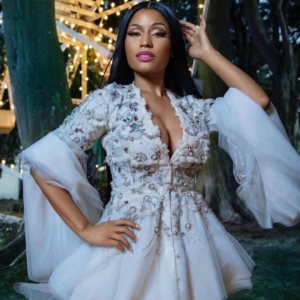
Since When Did They Become Doctors?” — Fans Accuse The Breakfast Club of Smearing Nicki Minaj Over Mental Health Talk

breakfast

Since When Did They Become Doctors?

A tense back-and-forth erupted after The Breakfast Club interviewed Gucci Mane and Keyshia Ka’oir about navigating Gucci’s publicly documented mental-health struggles. As the segment circulated, Nicki Minaj took to X, firing off pointed posts—naming Charlamagne, invoking iHeart, and accusing folks of running “disgusting ploys.” Soon after, a wave of fans charged that the morning show had crossed a line—“diagnosing” Nicki on air.

Here’s what actually happened—and why the internet’s split.

🎙️ The Segment That Sparked It


Keyshia Ka’oir described her “system” for protecting their brand when Gucci has episodes: removing social apps, changing passwords, and catching early signs (no sleep, short texts, isolation). The hosts framed it as proactive care from a spouse.

From there, the conversation drifted—first to fan chatter asking whether Nicki’s husband should do similar social-media guardrails when Nicki’s online; then to Gucci’s clinically diagnosed conditions (the hosts explicitly referenced bipolar disorder and schizophrenia regarding Gucci, not Nicki). They closed by saying they hope Nicki finds healing, sending “love and energy,” and suggesting awareness is the first step.

🧨 Why Nicki Reacted


While they never claimed a clinical diagnosis for Nicki, the comparisons—and the “someone around her should take the phone” talk—landed like a public intervention. Nicki responded with heat: alleging industry agendas, calling out names, and daring critics to “bring it.” To her supporters, the shift from Gucci’s story to “what Nicki’s husband should do” felt like a targeted pile-on masquerading as concern.

💬 What Fans Heard vs. What Was Said

  • Fans who defend Nicki say: the show “arm-chaired” her mental state, implicitly pathologizing her posts; calling for her husband to police her phone equals infantilizing a grown woman.

  • Listeners defending the show say: they discussed Gucci’s documented health, highlighted caregiving, then noted online debate about Nicki’s social media—without labeling her. The “healing energy” line was support, not a diagnosis.

🧩 The Gucci Link That Made It Messy


Two interview beats likely tightened the fuse:

  1. Keyshia’s disclosure about deleting Gucci’s apps during episodes—then fans pivoting to Nicki’s online presence.

  2. Gucci mentioning he apologized to peers (Drake, Ross, Nicki) for past outbursts during his own “episodes,” which some took as a subtle parallel and others saw as pure Gucci context.

🔎 The Core Issue: Tone, Not Just Words


Even if no one read a DSM on air, implied clinical framing can feel like labeling—especially for a Black woman constantly scrutinized for how she expresses anger or boundaries. Intent aside, the internet judged the vibe: “community care” vs. “public diagnosis.”

breakfast

🗣️ Sample Reactions

  • “Since when do radio hosts get to hint at treatment plans for a superstar?”

  • “They never said she’s bipolar. They said Gucci is—and asked if her team should support her better online. Big difference.”

  • “Asking her husband to take her phone is wild. She’s not a child.”

  • “If someone’s spiraling online, a spouse stepping in is love, not control.”

⚖️ Media, Mental Health & Respect


There’s a tightrope between discussing mental health responsibly and turning it into content. Gucci’s book and Keyshia’s caregiving story can help normalize support systems. But sliding from that into another artist’s current behavior—even without saying “diagnosis”—can feel like moral triage in public. The ethical move is precision: name what’s documented, avoid armchair labels, and keep the compassion free of insinuation.

🚨 Bottom Line
The Breakfast Club highlighted Gucci Mane’s documented mental-health journey and Keyshia Ka’oir’s role in stabilizing it. In reacting to fan chatter about Nicki Minaj’s social posts, the show’s tone read to many as a soft “diagnosis by comparison,” prompting Nicki’s fiery response and a polarizing debate. No one on air clinically labeled Nicki—but the implication battle is already underway. The takeaway: talk mental health with care, avoid medical insinuations, and remember that “help” can sound like control when it’s played out on a mic.

👉 Stay connected for the latest hip hop and streaming news at The Urban Spotlight Homepage

👉 For more background on Floyd Mayweather’s career and empire, check out his Wikipedia page
DON’T MISS A BEAT

Be the first to know when our Urban Hotties is released.

We don’t spam! Read our privacy policy for more info.

© Copyright – 2021 The Urban Spotlight –  All Rights Reserved. Privacy Policy   Terms of Service | Find us On