cardi

Offset Just Declared War on Cardi B — Internet in SHOCK as Divorce Drama Gets Messy
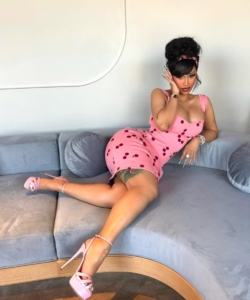
cardi


In one of the most explosive moments of 2025, hip-hop’s favorite on-again, off-again couple has officially gone nuclear. Offset has declared war on Cardi B, and what began as a quiet divorce filing has spiraled into a full-blown entertainment earthquake.

The fallout has been swift, dramatic, and deeply public — blending heartbreak, business, betrayal, and internet chaos in true Cardi-and-Offset fashion.


The $10 Million Trigger

It all started when reports surfaced that Offset rejected Cardi B’s $10 million divorce settlement — claiming that he “built her brand” and therefore deserves half of everything she’s made.

Yes. Half.

According to insiders, Offset feels he played a foundational role in Cardi’s career. He allegedly helped craft her early sound, co-wrote verses on tracks like “Drip,” “Clout,” and “Jealousy,” and even guided her through major label decisions.

When they began dating back in 2017, Cardi was still a breakout star fresh off Love & Hip Hop, riding the success of “Bodak Yellow.” Offset, on the other hand, was already part of one of the biggest rap groups in the world — Migos, fresh off the chart-topping success of “Bad and Boujee.”

And that same year, as “Bodak Yellow” hit No. 1, Offset proposed on stage. For many fans, the move symbolized hip-hop royalty joining forces. For others, it now looks like the start of a business partnership gone bad.


A War of “Who Made Who”

Fast-forward to now — and things have gotten ugly.

Cardi’s team is reportedly preparing to “drop receipts” proving that she built her career independently, long before Offset’s influence. Offset’s camp, meanwhile, claims he’s the “secret backbone” behind some of her biggest records.

It’s a battle not just of lawyers, but of narratives — and the internet has picked sides.

On X (formerly Twitter), the hashtags #TeamCardi and #TeamOffset have been trending nonstop. Fans are firing shots from both sides:

“Cardi gave Offset relevance again.”
“Offset wrote her hits — she should thank him.”

Some hip-hop blogs are already calling it “the biggest marital meltdown since Kanye and Kim.”
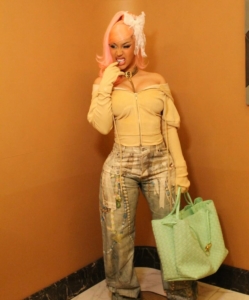
cardi


Money, Power, and the Numbers Game

When it comes to money, the stakes couldn’t be higher.

Before marrying Offset, Cardi B’s net worth sat under $2 million. Today, it’s estimated at over $80 million — powered by hit records, endorsement deals, and her fashion empire.

Offset, meanwhile, has struggled to reach similar heights as a solo artist since the Migos split. His solo projects have seen moderate success, but none have matched the global reach of Cardi’s brand.

Now, Offset’s demanding recognition — and compensation — for what he claims he built.

Sources close to him say he has “proof” of ghostwriting and uncredited co-production on multiple Cardi records. Cardi’s team, on the other hand, insists he’s “trying to rewrite history to cash in.”

If either side releases evidence, it could permanently reshape how fans view their relationship — and even their music.


From Love to Legal War

Cardi B and Offset’s relationship has always walked the line between chaos and chemistry. From infidelity scandals to public reconciliations, they’ve been one of hip-hop’s most unpredictable couples.

But this time, insiders say it’s different. This isn’t about cheating — it’s about credit, control, and cash.

Offset reportedly told friends, “I made her hot — don’t play with me,” while Cardi fired back online with cryptic posts like:

“God don’t like ugly.”

Their once-electric chemistry has turned into courtroom hostility — and every quote, leak, and livestream feels like another episode in hip-hop’s wildest divorce saga.


Social Media Eruption

As expected, TikTok and Twitter are eating this up.

Creators are remixing Offset’s “I built her brand” line into memes and edits. One viral post overlays the quote on footage of him dancing in Cardi’s Drip video, captioned:

“Bro might have a point 💀.”

Another joked:

“Not Offset trying to get royalties on WAP.”

Meanwhile, fan podcasts and YouTube commentators have turned the feud into content gold — dissecting every lyric, old interview, and photo for hidden meaning.

Even celebrity peers have started to weigh in, with one anonymous rapper saying, “This is about power — not love. Offset wants legacy points.”


Beyond the Drama: What’s Really at Stake

While the internet laughs, there’s a real conversation happening underneath the chaos.

Offset’s claims touch on a larger issue in the music industry — the blurred lines between creative contribution and romantic partnership. When two artists build their empires together, who gets the credit when it all falls apart?

Cardi B’s success story has inspired millions, especially women in hip-hop. But Offset’s insistence that he deserves a cut raises deeper questions about ownership, gender, and the way fame transforms relationships.


The Court of Public Opinion

Right now, no one knows how this will end — in court or in headlines.

Cardi’s lawyers are reportedly tightening up, and Offset’s team has hinted at a tell-all interview or even a documentary. Fans expect new music from both sides, each loaded with subliminal shots and emotional confessionals.

One thing is certain: this isn’t just a breakup — it’s hip-hop court.

And the verdict? It’ll be written not just by lawyers, but by fans, memes, and music charts.


Conclusion

Offset and Cardi B’s implosion marks a defining moment in modern hip-hop culture. What began as a fairy-tale power couple has morphed into a public war over fame, influence, and artistic credit.

For fans, it’s tragic — yet undeniably captivating. For hip-hop, it’s another example of how the lines between love, art, and business are blurring faster than ever.

Whether you believe Offset is fighting for fairness or just chasing relevance, one thing’s for sure: the world is watching.

And as one fan perfectly put it —

“This ain’t just a breakup… this is hip-hop court.

👉 Stay connected for the latest hip hop and streaming news at The Urban Spotlight Homepage

👉 For more background on Floyd Mayweather’s career and empire, check out his Wikipedia page

dex

Famous Dex Calls Out Rich The Kid to a Fade — “When I See You, I’m Beating Your Ass”


dex


In a moment that shook the rap world and reignited one of hip-hop’s most talked-about friendships-turned-feuds, Famous Dex called out his former labelmate and one-time brother in the game, Rich The Kid, for a one-on-one fade.

The Chicago rapper, known for his wild energy, unpredictable behavior, and honest emotion, took to social media in an explosive rant that felt less like trolling — and more like years of bottled-up pain finally boiling over.

“When I see you, I’m beating your ass. On my mom’s grave, Rich. I ain’t changed my life for this.”

The internet immediately erupted. Clips of Dex’s message went viral within hours, racking up hundreds of thousands of views across TikTok, Twitter, and YouTube. Fans and hip-hop commentators alike were left asking: what really happened between these two?

To answer that, you have to rewind nearly a decade — back to the early days of Rich Forever Music, when everything looked like it was headed for greatness.

The Rise of Rich Forever — and the Dream Team That Never Was

In 2016, the energy around Rich Forever was electric.
Rich The Kid had already proven himself a hustler and businessman, known for his ear for talent and relentless networking. When he brought on Famous Dex and Jay Critch, it looked like the birth of a new hip-hop dynasty — a three-headed monster representing three cities and three sounds.

Dex was the heart — vibrant, chaotic, and raw from Chicago’s trenches.
Critch was the smooth lyricist from Brooklyn, sharp with bars and style.
Rich was the boss — the connector with access, deals, and the confidence to play the mogul role.

Together, they had the energy of a movement. The “Rich Forever” chain became a symbol of success for young artists climbing from SoundCloud to stardom. But behind the scenes, Dex says things were never as picture-perfect as they seemed.

“You scammed, bro. Where’s my money for Rich Forever 5?”
“All you did was finesse. You ran through everybody and burned bridges.”

“You Finessed Everybody You Touched”

In his fiery outburst, Dex accused Rich The Kid of exploiting the very artists who helped build the brand. He alleged that while he and others were grinding, Rich pocketed profits, manipulated business deals, and left his team hanging dry.

It wasn’t just about a missing check — it was about trust, legacy, and respect.

For Dex, who came from humble beginnings in Chicago and lost his mother to breast cancer, music wasn’t just a job. It was a lifeline. He often spoke about how his mom’s death changed him and how making it out of Chicago felt like a miracle.

That’s why this feud cuts deeper than business. Dex sees it as betrayal by someone he once called a brother.

“I took risks for us, bro. I had a gun in my purse, risking it all — for the team.”

He said he believed in Rich Forever so much that he’d put himself in danger to protect the brand — only to be left out when the money and fame rolled in.

From “Drip From My Walk” to Disillusion

It’s easy to forget how big Famous Dex once was.
In the mid-2010s, songs like Drip From My Walk, Japan, and Pick It Up featuring A$AP Rocky turned him into one of the faces of the SoundCloud generation. His colorful personality, signature dance moves, and catchy ad-libs made him a fan favorite.

At one point, Dex wasn’t just a rising star — he was the pulse of a new wave of rap.
But as his fame grew, so did his demons.

Between public breakdowns, addiction struggles, and label troubles, Dex’s career stumbled while Rich The Kid’s continued to rise. Rich signed new deals, scored major hits like Plug Walk, and built his name as a savvy businessman.

From the outside, it looked like Rich made the right moves. But for Dex, it felt like the person who was supposed to guide him instead left him behind.

Old Wounds, New Rants — But This Time Feels Different

Famous Dex has had several viral moments before — some funny, some worrying. Fans have seen him break down on Instagram Live, lash out at peers, or speak incoherently, leading to concern about his health and sobriety.

So when this new rant surfaced, some fans dismissed it as another “Dex moment.” But others noticed something different this time — focus, clarity, and genuine pain.

Even hip-hop commentators like the hosts of No Jumper chimed in.

“Maybe the drugs got him,” one said, “but you can tell, he’s hurt. Maybe there was some bad business.”

Dex’s tone wasn’t just wild energy — it was grief. A broken loyalty. A cry for closure.


dex

The NBA YoungBoy Connection — “Why You Think YB Didn’t Take You on Tour?”

One of the most surprising claims from Dex’s rant involved NBA YoungBoy. Dex alleged that even YoungBoy kept his distance from Rich The Kid due to reputation issues.

“Why you think YB didn’t take you on tour? Cuz you finessed everybody you touched.”

The line quickly caught traction online, with fans dissecting whether there was any truth to it. Rich and YoungBoy have collaborated in the past — including on their 2022 joint tape Nobody Safe — but rumors of friction between them have existed for years.

Whether Dex’s statement was fact or just frustration, it added another layer to the story — suggesting that Rich’s alleged business practices might have affected not just labelmates, but other major artists in the game.

The Internet Reacts: Divided Between Sympathy and Skepticism

As always, social media split in two.

Some defended Dex, calling him “the real one finally speaking up.” They pointed out how many artists have accused label heads of shady business, comparing Dex’s story to other industry feuds like Meek Mill vs. MMG or Mase vs. Diddy.

Others were less convinced, saying Dex was emotional, unstable, and still battling old habits.

“We love Dex, but he’s got to stop airing everything online,” one fan commented.
“This ain’t it. Get your peace off the internet.”

But even critics couldn’t deny one thing: the emotion was real. You could feel the history in Dex’s words — the weight of someone who loved, trusted, and lost all at once.

A Pattern in Hip-Hop: Brotherhoods That Break

This isn’t the first time the rap game has turned friends into rivals.
From 50 Cent vs. Game, Birdman vs. Lil Wayne, to Diddy vs. Mase, hip-hop history is full of partnerships that started as brotherhoods and ended in betrayal.

The difference with Dex and Rich is how personal it feels. These two didn’t just share music — they shared dreams, losses, and moments of survival. When Dex talks about Rich, it’s not from jealousy — it’s from heartbreak.

He doesn’t want just a fight. He wants acknowledgment.

“You forgot, bro. Back when we was in the car, broke… I was the one taking risks for us.”

That line alone sums up years of buried tension and the pain of feeling replaced by the industry machine you helped build.

What Happens Now?

As of now, Rich The Kid has not publicly responded to Dex’s accusations. He’s continued posting about new music, fashion partnerships, and upcoming shows — seemingly unbothered by the storm brewing online.

Dex, on the other hand, seems determined to make sure his voice is heard. His followers say this rant could mark the start of a redemption era — a version of Dex who’s done being silent about industry politics and wants his respect back.

Whether this moment leads to a real confrontation, a public apology, or another viral back-and-forth, it’s clear this feud has reopened wounds that may never fully heal.

Conclusion: Beyond the Fade — The Fight for Respect

At its core, this isn’t about a literal fade. It’s about validation. About years of friendship, pain, and ambition gone wrong. Famous Dex isn’t just angry — he’s grieving the loss of trust, loyalty, and love in an industry that often eats its own.

The line that went viral —

“When I see you, I’m beating your ass” —
might sound like just another headline. But underneath it lies something universal: the feeling of being used, forgotten, and dismissed by someone who once swore they’d never switch up.

In a game fueled by ego and money, Dex’s outburst is a reminder that behind every viral moment is a real human story — one about struggle, survival, and the cost of brotherhood in hip-hop.

And as fans watch to see if these two ever cross paths again, one thing’s for sure — this isn’t just a rap beef. It’s a reflection of everything the music industry hides behind its diamond chains and brand deals: the pain that makes you throw the first punch.


👉 Stay connected for the latest hip hop and streaming news at The Urban Spotlight Homepage

👉 For more background on Floyd Mayweather’s career and empire, check out his Wikipedia page

30
regina

Regina Daniels Finally Speaks — Calls Ned Nwoko Her Ex-Husband, Says She Married Him for Love

regina

In a moment that sent shockwaves through Nollywood and social media, actress Regina Daniels has finally broken her silence on her highly publicized marriage to billionaire politician Ned Nwoko — and the emotional confession she shared has left fans divided.

The young actress, known for her grace and calm public image, appeared on camera at 5 a.m. — visibly emotional, makeup-free, and exhausted — to share what she described as “my family’s truth.”
The video, which quickly went viral across Instagram, X (formerly Twitter), and TikTok, showed a side of Regina few have ever seen: vulnerable, heartbroken, and defiant.


The Confession That Shook the Internet

What began as a plea for understanding soon turned into a bombshell revelation.

“I’m ashamed to say it,” she admitted, pausing to hold back tears. “But I actually fell in love.”

For years, the internet had speculated that Regina’s marriage to Ned Nwoko — who is nearly four decades older — was arranged or financially motivated. Critics accused her mother of pushing her into it for wealth and influence.

But Regina insists otherwise.

“My mom didn’t do it for money,” she said firmly. “Through me, she trained her children. She suffered. She’s my God on earth.”

She urged fans to stop insulting her mother online, calling her “the best woman alive,” and revealing that her family tried to stop the marriage.

In one stunning moment, she shared just how far she was willing to go for love.

“I went to the police station,” Regina recalled. “I told them to arrest me — my family doesn’t want me to marry the love of my life.”


From Fairytale to Fallout

Years after what was once portrayed as a glamorous marriage, Regina’s tone has shifted dramatically.
Rumors of separation have been swirling for months — and her emotional outburst seems to confirm them.

The actress has reportedly unfollowed Ned Nwoko on social media, and multiple reports claim that her family even attempted to return her bride price — a move Ned allegedly rejected.

“My family is in turmoil,” Regina confessed. “But we’ll come out of it. I’ll raise my children, with or without your support.”

Fans were quick to notice her pain. While some sympathized with her, others questioned her sincerity.

One viewer commented:

“You married him for love? Really? You expect us to believe that?”

Another defended her:

“She’s clearly hurting but trying to be strong. Sometimes love breaks you before it builds you.”

Regina Daniels


The Online Backlash

Within hours, clips from the video flooded timelines and gossip blogs. Hashtags like #ReginaDaniels, #NedNwoko, and #ReginaSpeaks trended across social media.

Influencers and YouTubers jumped on the topic — some showing empathy, others calling her out.

One viral clip featured a commentator saying:

“Where were you when Nigerians were protesting and you told them to keep quiet? Now you need our voices?”

The internet, as always, was split — half sympathy, half skepticism.

It’s a familiar pattern in celebrity culture: the same fans who once idolized Regina now question every tear.


Ned Nwoko’s Silence

While Regina’s emotional outburst has dominated headlines, Ned Nwoko himself has remained silent.
Sources close to the politician claim he is “handling things privately,” but reports suggest he’s unwilling to end the marriage officially.

With alleged petitions, family tensions, and lawyers involved, the situation is far from simple.

Behind the viral drama is a young woman trying to reclaim her narrative — and a mother fighting to defend her honor in the public eye.


A Cry for Peace and Forgiveness

Whether you believe her story or not, Regina’s video wasn’t about publicity.
It was the sound of someone unraveling under public pressure — a confession, a plea, and perhaps, a goodbye.

She ended her statement with a mix of strength and sorrow:

“I’ll fight for my children. I’ll train them and raise them — no matter what people say about me.”

Her final words echoed with exhaustion — not the kind that comes from fame, but from heartbreak.


Conclusion: The End of a Fairytale?

Is this truly the end of the Regina Daniels–Ned Nwoko love story that once broke the internet?
Or just another storm in a marriage that’s weathered public scrutiny from day one?

One thing is clear: Regina’s tears have reminded the world that behind every viral headline is a human being — one still searching for peace, purpose, and self-worth.

Whether this marks the end of her marriage or the start of her rebirth, Regina Daniels has done what few celebrities dare to do — speak her truth, even when the world refuses to listen.

👉 Stay connected for the latest hip hop and streaming news at The Urban Spotlight Homepage

👉 For more background on Floyd Mayweather’s career and empire, check out his Wikipedia page
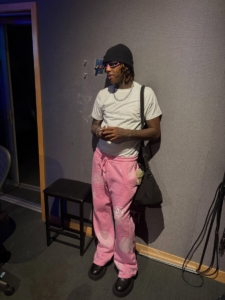
30
ming

Ming Li: Once People Say My Name Without “Nicki Minaj’s Sister,” I Accomplished Something

ming

In the fast-paced world of hip-hop, where names carry weight and legacies stretch across generations, one emerging artist is determined to define her own lane — Ming Li, the younger sister of rap icon Nicki Minaj.

For most artists, success is measured in streams, fame, and followers. But for Ming, the definition of accomplishment runs deeper.

“When people can say my name without saying ‘Nicki Minaj’s sister,’ that’s when I’ll know I really made it.”

It’s a statement that’s both humble and powerful — the voice of a woman who knows what it means to live in the shadow of greatness, but refuses to be defined by it.


Finding Her Own Voice

After releasing her track “Do It Again” with Rake Love, many thought Ming Li was stepping into her spotlight for good.
The internet buzzed with headlines like “Nicki Minaj’s Sister Makes Music Debut” — a tag that made her proud, yet restless.

Because for Ming, the song wasn’t a debut — it was a declaration.
“I don’t feel like I’ve accomplished anything yet,” she said. “That song was just step one.”

She’s not running from her roots — she’s just carving her own identity within them.
When asked how she feels about the constant comparisons, she laughs softly and says,

“Girl… how you want me to answer that? Ask about me sometimes.”

It’s not shade — it’s hunger. The kind that fuels new voices who want to be heard for who they truly are.


Beyond the Minaj Legacy

Ming Li grew up watching Nicki Minaj transform into one of the most powerful women in music — a visionary who fused rap, pop, and persona into global stardom.

But Ming’s artistic soul dances to a different rhythm.
Her inspirations? Billie Eilish. Amy Winehouse. Lauryn Hill.

That lineup tells the story of her sound — emotional, soulful, and deeply human.
“I’m more into singers,” Ming admits. “That’s where my heart goes. I like artists who bleed through their music.”

It’s clear she’s not trying to replicate Nicki’s fire — she’s trying to master her own.


Love, Respect, and Real Talk

When the topic shifts to Nicki, Ming’s voice softens. You can feel the pride radiate through her words.
“She’s got so many personas,” Ming says. “She can flip a verse, sing a hook, switch up her wigs, her style — and every single time, it’s fresh. It’s Nicki.”

There’s a mix of admiration and awe there. Because behind every legendary artist is a process few truly see.
“People don’t understand — my sister keeps evolving,” Ming adds. “Her flow now? Harder. Grittier. Sometimes I listen to her and she sounds better than the men.”

It’s a sibling moment full of honesty — a mix of humor, pride, and genuine respect.


The Journey to Recognition

For Ming Li, music isn’t about fame — it’s about authenticity.
It’s about the moment her art connects, when people feel her lyrics and see her, not her last name.

She’s building slowly, deliberately — refusing to rush the process. Her story is still being written, but her message is already resonating.

Because Ming isn’t just chasing a hit. She’s chasing her moment — the one where she’s recognized not as “Nicki Minaj’s sister,” but simply as Ming Li.

And when that day comes, the world will see her the way she sees herself — an artist with her own light, her own rhythm, her own voice.

ming


Becoming Seen

Every great artist has a defining moment — that point where they step out from the shadows and stand in their truth. For Ming Li, that moment isn’t about breaking free from Nicki’s legacy — it’s about adding to it.

Her journey is one of identity, resilience, and quiet confidence.
She’s not fighting the comparison — she’s reshaping it.

Because being Nicki Minaj’s sister may have introduced her to the world…
but being Ming Li is what will make the world remember her.

And when that happens, she’ll know — she didn’t just inherit a legacy.
She created one.

👉 Stay connected for the latest hip hop and streaming news at The Urban Spotlight Homepage

👉 For more background on Floyd Mayweather’s career and empire, check out his Wikipedia page
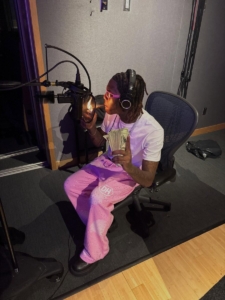
29
wes

Wes Watson on How He Made $1M 18 Months After Prison, Says His Most Extravagant Purchase Was Women

wes

In one of the most remarkable comeback stories in modern hustle culture, Wes Watson — the ex-convict turned motivational coach and fitness entrepreneur — revealed how he went from a prison cell to millionaire status in just 18 months after his release.

But perhaps even more shocking than his rapid success was his brutally honest confession about what he considers his most extravagant purchase: women who looked good online but had no soul.

This is the story of how Wes Watson turned pain into purpose, built an empire from scratch, and redefined what true wealth really means.


From Prison Cell to Purpose

2018 — Wes Watson walked out of a California state prison after serving a decade behind bars.
He was 35, broke, and starting from zero. No safety net, no social media following, no plan — just a fierce determination to rewrite his life story.

He moved in with his grandmother, sleeping in a small room with nothing but discipline and faith to keep him focused.

“I didn’t drink. I didn’t use drugs. I got up every day to work on myself,” he said in an interview.

That vow — to improve himself daily — became the foundation for everything Wes built next. He didn’t chase luxury. He chased structure, peace, and purpose.


The Birth of Watson Fit

What started as a simple fitness coaching program soon turned into a full-scale movement.
Wes launched Watson Fit, combining physical training with mindset transformation — lessons forged in prison through routine, resilience, and accountability.

At first, it was just a handful of clients paying $250 a month. But then, one YouTube interview changed everything.

Viewers were captivated by Wes’s raw energy and unfiltered storytelling. His message wasn’t about hype — it was about taking control of your life when everything’s stacked against you.

In one month, his earnings skyrocketed from $3,000 to $150,000.
And within 18 months of his release, Wes Watson became a millionaire.


The Million-Dollar Mindset

When that first big check cleared, Wes didn’t go on a shopping spree. He didn’t buy chains or cars.
Instead, he called his grandmother’s bank and paid off her credit card debt in full.

“I just wanted her to know I was finally good,” he said.

That single act of gratitude became a symbol of everything Wes stood for — proving that success without integrity means nothing.


Building the Watson Empire

Wes’s business exploded.
From personal training to mindset coaching and elite mentorship, his programs reached tens of thousands of clients worldwide.

  • $299 a month.

  • $750 for deeper mentorship.

  • $2,000 for full-year accountability.

  • And up to $40,000 for his elite in-person coaching program.

At one point, nearly 19,000 members were paying $47 each month — generating close to $900,000 monthly revenue.

No middleman. No corporate backing. Just Wes and his community.
“I’ve changed lives with these programs,” he said. “I give more for $750 than most people give in a lifetime.”

His message? Simple but powerful:

“Success equals discipline. You can’t win in life without it.”

wes


Luxury, Lessons, and Loyalty

With fame came fortune. Private jets, supercars, mansions — Wes embraced the lifestyle but stayed grounded in his purpose.

Still, he admits his biggest mistakes weren’t financial.

“The most expensive things I ever bought were women who looked good online but had no soul,” he said, laughing.

It’s a brutally honest statement that captures the core of Wes Watson’s philosophy — you can’t buy peace, love, or meaning. Those things come from inner work.


The Power of Redemption

Through his book Non-Negotiable: 10 Years Incarcerated Creating the Unbreakable Mindset, Wes laid out the blueprint for his transformation — from the darkest days of prison life to global success.

He teaches that no matter how far you fall, you can always rebuild — but only through discipline, consistency, and self-respect.

“People think motivation is what gets you through,” he said. “It’s not. It’s discipline. Motivation fades — discipline is forever.”


Why His Story Resonates

Wes Watson’s rise isn’t just another rags-to-riches tale.
It’s about accountability, redemption, and proving that no matter where you start, you can build something extraordinary with the right mindset.

From counting days in a cell to counting millions in his bank account, Wes transformed his life by transforming his habits — and now he’s helping others do the same.

His journey is a living reminder that the ultimate comeback starts the moment you decide to stop making excuses.


Conclusion

Wes Watson’s story is more than just about fitness or wealth — it’s about mastering the mind.
He turned his prison sentence into a masterclass on self-discipline, proving that your past doesn’t define you — your actions do.

From rock bottom to real freedom, from regret to redemption — Wes Watson became living proof that you can’t fail if you refuse to quit.

👉 Stay connected for the latest hip hop and streaming news at The Urban Spotlight Homepage


30
trump

Trump Throws Great Gatsby Party as SNAP Benefits Expire, Blames Democrats for Shutdown & Dodgers Win

trump

It’s another wild weekend in America — the kind that feels like satire but somehow isn’t.
A weekend that perfectly captures the duality of this country: joy and struggle, excess and survival, the rich celebrating under chandeliers while working families wonder how to feed their kids.


The City of Angels on Fire

Out west, Los Angeles is alive again.
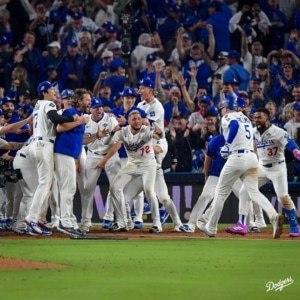
The Dodgers have made history — back-to-back World Series champions. Two in a row.
The city hasn’t felt this electric in years.

Fireworks explode over downtown.
Fans climb fire trucks, cars spin donuts at intersections, music blasts from every block.
The streets are chaos — beautiful chaos.

You see strangers hugging like family, old men crying, kids waving flags twice their size.
Even that one guy — painted Dodger-blue from head to toe — sprints through the crowd like he’s carrying the spirit of the city on his back.
Nobody stops him. Nobody questions him.
He’s part of it.

Because in L.A., this isn’t just about baseball.
It’s about faith — in the city, in the comeback, in the idea that something good can still happen in a country that feels broken half the time.


Meanwhile at Mar-a-Lago…

Three thousand miles away, another kind of party is happening.
Donald Trump is throwing a Great Gatsby–themed Halloween gala at Mar-a-Lago.
You heard that right — Gatsby, the book about greed, illusion, and moral decay — and somehow, Trump thinks he’s the hero of it.

Guests arrive in sequined gowns, tuxedos, and pearls.
A woman spins inside a martini glass while jazz plays softly in the background.
There’s even an ice sculpture of an eagle holding a golf club.

It’s peak excess — the definition of tone-deaf — because this party is happening on the same weekend millions of low-income Americans lose their SNAP food benefits.

Nothing screams “out of touch” quite like sipping champagne under gold ceilings while families are figuring out how to stretch peanut butter and noodles for the week.


The Blame Game

But Trump doesn’t see irony — he sees opportunity.
On Truth Social, he posts:

“I do not want Americans to go hungry — it’s the radical Democrats’ fault.”

It’s the same playbook every time:
Deflect. Deny. Distract.

He blames Democrats for a shutdown he helped orchestrate — all while standing next to a chocolate fountain shaped like his own head.

Polls show his approval rating slipping to 37% — which, coincidentally, is about the same percentage of his face that isn’t covered in orange spray tan.

But Trump doesn’t care.
He’s too busy reenacting the Roaring Twenties, turning economic anxiety into a backdrop for selfies.
He even congratulates the Dodgers online, posting:

“See you all at the White House… or what’s left of it.”

Even his compliments sound like threats now.

trump


The Interview: Blame Biden for Everything

A day later, Trump sits across from Norah O’Donnell on 60 Minutes.
It should’ve been serious — a chance to talk about leadership and the economy.
Instead, it becomes another episode of “Everything Bad Is Biden’s Fault.”

Inflation? Biden.
Gas prices? Biden.
Immigration? Biden.
Melania’s bad mood? Probably Biden too.

He even claims,

“We had no inflation under me. Biden destroyed the country.”

That’s an interesting statement —
coming from the same man who left classified documents stacked next to golf trophies and tanning spray in his Mar-a-Lago bathroom.

When asked if he plans to run for a third term — which, legally, he can’t — he smirks and says:

“A lot of people want me to. When elections are rigged, you’re allowed to do it again.”

That’s not how democracy works.
That’s Mario Kart.
You don’t get a do-over just because you lost and cried about it.


The Split-Screen America

Inside Mar-a-Lago, the music keeps playing.
Trump’s guests laugh, toast, and dance —
while outside, the real world tightens its belt another notch.

The new SNAP reductions mean families are getting half of what they used to.
Parents are calculating grocery lists like math problems.
Kids are asking why dinner looks different.

And while they’re scraping by, Trump’s party debates whether the caviar pairs better with rosé or regret.

It’s the perfect split-screen moment in modern America:
On one side — fireworks, baseball, and real community.
On the other — gold chandeliers, self-importance, and detachment.

Trump dresses as Gatsby, but he’s more like a ghost of the Jazz Age —
a man waltzing on the deck while the ship slowly sinks beneath him.


The Heartbeat That Still Remains

But even amid the absurdity, there’s still something beautiful.
While Trump’s masquerade fades into another headline,
Los Angeles — and America itself — keeps finding reasons to cheer.

Because the real heartbeat of this country isn’t in Mar-a-Lago ballrooms.
It’s in the noise of celebration, in the resilience of people who refuse to give up.
It’s in the small moments — neighbors sharing food, kids wearing team jerseys, fireworks lighting up the night sky.

Trump can keep his Gatsby party.
The rest of us?
We’re too busy trying to build something real —
one meal, one game, one act of hope at a time.

👉 Stay connected for the latest hip hop and streaming news at The Urban Spotlight Homepage

👉 For more background on Floyd Mayweather’s career and empire, check out his Wikipedia page

30
swifty

Swifty Blue Explains Why He Would Work with Tekashi 6ix9ine — Breaking the Chains of Loyalty and Embracing the Future of Hip-Hop (Part 15)

swifty


Los Angeles, CA — The city of dreams, but also the city where those dreams are tested every day.
For Swifty Blue, this year has been a whirlwind of highs and lows. From allegations and rumors to street life challenges and public scrutiny, it’s been a year where the lights of fame shine brightest — but the pressure is always there.
But through it all, Swifty has not only survived but thrived. He’s become a symbol of evolution — a changed man, no longer solely focused on the streets but using his platform to rise above it all.

As we sat down with him, it was clear: this isn’t the same Swifty Blue.
The man who once lived for street validation now lives for a new kind of success — one where his family and growth come first.

But in the world of hip-hop, change isn’t always embraced. It’s often met with skepticism and criticism. And when the subject of Tekashi 6ix9ine came up, Swifty’s perspective challenged everything people thought they knew about loyalty, business, and moving forward in the game.


🎤 From the Streets to Business — Swifty Blue’s Evolution

When we first spoke to Swifty, he wasted no time in making his stance clear. His days of promoting street life, of glorifying violence and chaos, were over. This was a new chapter — one where music wasn’t just a hustle, it was a means to build a future, to help others, and to make a legal living.

“I’m not promoting street life no more,” Swifty said. “I’m about making legal money. Helping people do music and get out the streets… I’m not trying to crash out. I’m trying to stay smooth.”

It’s not just talk — Swifty has the numbers to back it up. He’s created a catalog that resonates far beyond the streets, with hits like Punk (7 million streams), Move Fast (2.5 million), and Rosary (2.1 million) reaching audiences worldwide. He’s earned respect in the game, and he’s done it on his own terms.

But as much as he’s evolved personally and professionally, the streets still remain a part of him — a part of hip-hop — and that’s where things get tricky. Street credibility can either make or break you in the game. Loyalty, however, is something that transcends all of that. And that’s where Tekashi 6ix9ine comes in.


🔥 Tekashi 6ix9ine: Misunderstood or Misguided?

In the public eye, Tekashi 6ix9ine is one of the most controversial figures in hip-hop history. The snitching scandal, the rainbow-colored persona, the social media antics — it’s been a rollercoaster.
For many, Tekashi is a pariah in hip-hop, someone whose actions have irreparably damaged his standing in the community.

But for Swifty Blue, Tekashi represents something else entirely. He doesn’t view him through the lens of the past — he sees him as a business partner, a potential ally in a rapidly changing music industry.

“Look, Tekashi’s misunderstood,” Swifty said with a calm but firm voice. “People got their opinions, but I’m not worried about what happened in New York. We’re in Cali. It’s different here. He’s a businessman. And I’m a businessman. Whatever he wants to do, I’ll work with him. I’m about making moves.”

For Swifty, it’s simple: business is business.
The past doesn’t define Tekashi for him. What matters is where they’re going.

“It’s not about the past. It’s not about the drama. It’s about where you’re going, not where you’ve been.”

This is the essence of Swifty’s new philosophy. He’s done with street politics, with clout-chasing, with holding grudges that go nowhere. If working with Tekashi 6ix9ine means growth, more opportunities, and pushing the boundaries of the culture? Swifty’s all in.


🏆 Hip-Hop’s New Era: Breaking Boundaries and Redefining Loyalty

But Swifty’s willingness to collaborate with someone like Tekashi 6ix9ine isn’t just about money. It’s about growth, evolution, and the changing landscape of hip-hop.
The old rules — loyalty at all costs, “street code” over everything — are no longer the only path to success. The game is evolving, and Swifty sees it. Hip-hop is bigger than the blocks it came from.

He points to the work of artists like Kendrick Lamar, who has used his influence to elevate Latino voices, breaking barriers in ways that artists before him simply couldn’t. He talks about how Kendrick and others have helped create a space for a more diverse hip-hop landscape, where the music is more than just a reflection of street life but a cultural movement that unites people from all backgrounds.

“Kendrick played a big role, yeah,” Swifty admits. “But I’m putting my pieces in too. We’re making history. The music’s evolving, the culture’s evolving, and now? We’re all working together.”

For Swifty, it’s not just about collaborating with other rappers — it’s about bridging gaps. The West Coast was once defined by its unique sound, its distinct identity, and the “street code” that governed much of its culture. But now? The lines between regions, races, and genres are starting to blur, and that’s a change Swifty is more than ready for.

swifty


🎵 One Sound, One Movement — The Rise of a New Era

In the past, the West Coast was seen as a place where artists represented their neighborhoods, their sets, their gangs. But now, artists like Swifty Blue are embracing the idea that hip-hop is a unifying force.
It’s no longer about who’s from which part of LA or what your affiliation is. It’s about growing the culture, about bringing people together under one sound, one movement.

“It’s not about race or background,” Swifty says with confidence. “It’s about the culture, about the hustle. One sound, one movement.”

As the game changes, Swifty Blue sees the hip-hop culture coming into a new renaissance. With artists like Kendrick Lamar taking the lead, and artists like Swifty following in their footsteps, the culture is transforming.
This is a new chapter — one where unity replaces division, where growth is more important than loyalty to the streets. And Swifty Blue is playing his part in that transformation.


🎙️ Unity, Evolution, and the Future of Hip-Hop

By the end of the conversation, it’s clear: Swifty Blue isn’t just talking about making music. He’s talking about shaping the future of hip-hop.
His vision is about uniting different artists and communities, whether they come from the streets or from the suburbs, from the East Coast or the West.

“The streets don’t define you. Your growth does,” Swifty says firmly.

And in that vision, Tekashi 6ix9ine has a place. It might be a controversial partnership for some, but for Swifty, it’s part of the new world of hip-hop.

🏁 The Future is Unwritten

So, as Swifty Blue continues his rise, it’s clear: this is just the beginning.
With his business mindset, his focus on growth, and his willingness to embrace the evolving culture, Swifty is positioning himself as a leader in this new era of hip-hop. And who knows — maybe Tekashi 6ix9ine will be a part of that.
One thing is for sure: the future is unwritten, and Swifty Blue is ready to help write it.


🎧 Narrator (Closing Energy)

Swifty Blue’s vision for hip-hop is a vision of unity, of progress, and of evolution.
And as the industry evolves, his story — and his collaborations — will continue to shape the sound of the streets and beyond.

From the West Coast to the world, Swifty Blue’s journey is just getting started.
And who knows? Maybe with Tekashi 6ix9ine by his side, he’ll help pave the way for a new era of hip-hop collaboration.

👉 Stay connected for the latest hip hop and streaming news at The Urban Spotlight Homepage


28
tekashi

Tekashi 6ix9ine & DJ Vlad Clash Over Young Thug’s Peace with YFN Lucci — Forgiveness or Foolishness? (Part 8)

Tekashi


Los Angeles, CA — Another day, another viral VladTV moment — and this one might be the most explosive of the year.
In Part 8 of DJ Vlad’s ongoing sit-down with Tekashi 6ix9ine, what began as a routine conversation about hip-hop headlines spiraled into a full-blown moral standoff about loyalty, revenge, forgiveness, and survival in the streets.

The topic? Young Thug and YFN Lucci reportedly ending their long-running beef.
The moment? A flashpoint that peeled back the layers of pain and principle running through modern hip-hop culture.

And in classic Tekashi fashion — it didn’t take long before the conversation turned into something far deeper than music.


🎬 The Setup: Calm Before the Fire

The clip opens in familiar VladTV style: dimly lit room, two chairs, two cameras, tension so thick you could cut it.
Vlad leans forward, speaking slowly, almost like a teacher breaking down a lesson.

“At some point,” he says, “somebody has to be the adult in the room. Otherwise, the children will continue to kill each other.”

He’s talking about Thug and Lucci, two Atlanta figures whose feud once stretched beyond music — into real violence, real loss.
It’s a moment Vlad sees as progress, a small glimpse of maturity in a genre often criticized for glorifying beef.

But Tekashi’s face tightens.
He shakes his head before Vlad even finishes the sentence.

“If somebody shot at your mother, Vlad, would you be in the club with them? You gonna dap ‘em up? Party next to ‘em?”

The studio goes quiet.
Vlad pauses — not because he doesn’t have an answer, but because Tekashi just hit a nerve the internet would spend the next 48 hours dissecting.


🔥 The Clash: Morals, Loyalty, and Street Codes

Vlad tries to hold his composure, pushing back gently.
He argues that forgiveness isn’t about weakness — it’s about ending cycles that have already taken too many lives.

“Look, it’s not about being friends,” Vlad says. “It’s about putting an end to something that’s claimed enough people already. How long do we want the next generation to keep dying for the same things?”

But Tekashi, pacing slightly in his chair, doesn’t flinch. His voice rises, raw with conviction.

“You saying that ‘cause you never lost nobody like that. If someone took a piece of your family, if you had to watch your people die, you wouldn’t be preaching forgiveness. You’d be talking about payback.”

For a split second, it’s not an interview anymore — it’s therapy disguised as conflict.

Vlad brings up the concept of growth. Tekashi brings up pain.
Vlad speaks of peace. Tekashi speaks of principle.

And somewhere in between those two words lies the entire history of hip-hop — a culture born from struggle, trying to figure out how to evolve without losing its authenticity.


⚖️ The Philosophy of Peace: Vlad’s Argument

To Vlad, Young Thug and YFN Lucci’s truce symbolizes something revolutionary — a break in the cycle.
He compares it to war and reconciliation on a global scale.

“You know, after World War II, the U.S. and Japan made peace. They bombed each other, killed thousands, and still moved forward for the greater good. It’s not about forgetting what happened — it’s about not letting it destroy the future.”

It’s an analogy that makes sense in theory — but lands like a grenade in the interview.

Tekashi laughs in disbelief.
He leans back, throws his arms up.

“So you’re comparing Young Thug to a nation, Vlad? To Hiroshima? You can’t compare real street pain to politics. People died in this, man. Families hurt. Ain’t no treaty gonna fix that.”

That’s when the internet lost it.
The clip — just 90 seconds of exchange — spread like wildfire across TikTok, YouTube Shorts, and X (Twitter).
Within hours, fans were stitching, quoting, and debating every word.

Some called Tekashi “real for standing on morals.”
Others said Vlad was “preaching peace and maturity.”
The divide wasn’t about who was right — it was about what kind of world hip-hop wants to live in now.

Tekashi


💔 Beyond the Argument: The Ghosts in Tekashi’s Voice

Underneath the bravado, there’s something raw about Tekashi’s tone.
When he talks about betrayal and loss, it’s not theory — it’s memory.

He brings up his own past — the years of controversy, the headlines, the betrayals that left him branded as one of the most polarizing figures in hip-hop.

“Everybody wanna talk about ‘growth,’” he says, “but when I tried to grow, they laughed. When I tried to rebuild, they called me a rat. I had to fight for everything I got back. It wasn’t grace that brought me back. It was me.”

That’s when you realize — Tekashi isn’t really talking about Thug and Lucci anymore.
He’s talking about what it means to come back from being hated, exiled, and misunderstood.

To him, “growth” isn’t forgiveness — it’s resilience.
It’s surviving when everyone hopes you won’t.

Vlad nods slowly, recognizing the vulnerability beneath the fury.
For a moment, both men stop arguing — and start listening.


💬 The Internet Reacts: Two Sides of the Same Coin

When the clip hit social media, it didn’t just trend — it exploded.
The hashtags #Tekashi6ix9ine, #DJVlad, #YoungThug, and #Lucci dominated trending lists for 48 hours.

Fans and creators posted reaction videos breaking down every line.
Podcasters debated whether Tekashi was “defending morals” or “justifying ego.”
YouTubers edited cinematic recaps with the headline: “Forgiveness or Foolishness?”

One fan on X summed it up:

“Vlad’s preaching peace like a pastor. Tekashi’s speaking pain like a survivor. Both right. Both broken.”

And maybe that’s what made the clip hit so hard — it wasn’t about who “won.” It was about watching two worldviews crash into each other and realizing they both came from trauma.


🧩 The Bigger Story: Forgiveness in Hip-Hop

In the larger picture, this wasn’t just a debate between two personalities — it was a reflection of the maturity crisis in hip-hop.
For decades, the culture has wrestled with how to evolve beyond violence without losing credibility.

From Biggie and Tupac to Drill music and the new wave of Atlanta, every generation faces the same question:
Can you grow without being called soft?
Can you forgive without looking fake?

When Nipsey Hussle died, the world saw what peace could look like — a man who stood on principle but still built bridges.
When Thug and Lucci decided to move past their feud, some called it honorable. Others called it betrayal.

And now, through Vlad and Tekashi, the debate lives on — louder, rawer, and more necessary than ever.


🕊️ The Duality: Pain vs. Progress

For Tekashi, the streets don’t forgive — they remember.
Forgiveness, in his eyes, can feel like erasing the people who died behind the war.

“You can’t just shake hands and say it’s over,” he says. “The people gone don’t get to do that.”

For Vlad, forgiveness isn’t surrender — it’s survival.
He believes the next generation can’t keep paying for yesterday’s pride.

“At some point,” he says quietly, “we gotta stop letting our trauma decide who lives and who dies.”

That single line turned into the quote of the episode — reposted across thousands of hip-hop pages.


🧠 Cultural Reflection: When Hip-Hop Grows Up

Every era in hip-hop has its defining moments —
moments that force the culture to look at itself differently.
From Jay-Z shaking Nas’s hand on stage, to Drake and Meek Mill squashing their feud, to now — Thug and Lucci’s truce.

The question is no longer just about who’s real.
It’s about who’s evolving.

Hip-hop is aging. Its stars are fathers now. Businessmen. Icons.
The same culture that once glorified retaliation is now learning the language of restoration — even if that language sounds uncomfortable.

And in that sense, both Vlad and Tekashi represent two sides of the same coin:
The one who believes healing must come first, and the one who believes wounds don’t close without truth.


🎙️ Final Words: The Power of Conversation

By the end of Part 8, the tone softens.
Tekashi exhales. Vlad leans back. Both men are still divided — but respectful.

There’s no handshake, no perfect resolution.
Just silence — the kind that only comes after something real has been said.

The camera fades out, but the echo lingers:

“When the streets finally grow up… does forgiveness mean weakness — or wisdom?”

It’s the kind of question that doesn’t need an answer — because it lives in the tension between survival and peace.


📢 Conclusion: The Conversation We Needed

In the end, no one “won” the argument.
But hip-hop did.

Because for once, two voices — both flawed, both human — took the conversation deeper than gossip or clicks.
They talked about legacy, about what happens when pain becomes tradition, and about the price of letting ego outrun empathy.

Maybe that’s the real story here.
Not who’s right — but who’s still brave enough to talk about it.

👉 Stay connected for the latest hip hop and streaming news at The Urban Spotlight Homepage

👉 For more background on Floyd Mayweather’s career and empire, check out his Wikipedia page

29
dodgers

Dodgers Fans Take Over the Streets of L.A. Following World Series Win — LAPD Shuts It Down

dodgers


Los Angeles.


The city of lights, dreams, and just the right amount of chaos.
Tonight, that chaos glows Dodger blue.

The Los Angeles Dodgers have done it again — back-to-back World Series champions — and the city erupted the moment the final pitch hit the catcher’s glove.

From Echo Park to Downtown, Hollywood to Boyle Heights, people spilled into the streets, waving flags, honking horns, and chanting the same three letters that carry decades of history:

“L.A.! L.A.! L.A.!”


A City on Fire (In a Good Way)

When the last out was called, it felt like a shockwave. Bars exploded in cheers. Fireworks lit the skyline. Car alarms blared in rhythm with fans’ chants.
The pulse of Los Angeles — that wild, unpredictable heartbeat — was alive and uncontainable.

Fans climbed light poles. Some jumped on cars, others danced in intersections, holding cold beers and Dodger caps high above their heads. Even the city’s constant hum of traffic couldn’t compete with the sound of joy.

“We deserve this, bro! Champions all day!” one fan yelled, wrapped in a massive Dodger flag like a superhero cape.

Police sirens echoed faintly in the background, but no one paid attention. For a few beautiful moments, Los Angeles forgot about everything else — rent, traffic, politics — and lived in pure, shared euphoria.


Legacy in Motion

For many, this night hit different. It wasn’t just another championship — it was a continuation of legacy.

The win came on Fernando Valenzuela’s birthday, a poetic twist in Dodgers history.
Valenzuela, the legendary Mexican pitcher who carried the team — and the city — to glory in 1981, became a symbol for generations of fans. His story connected East L.A. to Chavez Ravine, bridging communities that rarely crossed paths.

Now, decades later, his name echoed again.
Old-school fans who had cheered him on as kids stood shoulder-to-shoulder with their own children and grandchildren, celebrating a new chapter in the Dodgers’ story.

“I was eating tacos from a truck when they won back in 2020,” a fan laughed. “Now I’m here, surrounded by thousands. It’s like history repeating, but bigger. We’re all one organism — even when we don’t get along.”

In that sentence, the fan said what many were thinking: this night wasn’t about baseball. It was about belonging.


When the City Becomes One

It’s not often Los Angeles feels united.
A city of neighborhoods — each with its own culture, hustle, and rhythm — L.A. can feel like a collection of worlds stitched together by freeways. But tonight, those divisions blurred under a blanket of Dodger Blue.

Black, brown, white — the faces blended together in celebration.
Music blasted from lowriders, smoke from carne asada grills floated above cheering crowds, and laughter rolled through intersections like ocean waves.

People danced on rooftops. Strangers hugged. Fireworks crackled over skyscrapers and side streets alike.
Even rival gangs reportedly waved peace signs, not colors — for one night, at least.

“Let’s go! Back-to-back, baby! Dodgers forever!” the crowd roared in unison.

It was the kind of moment Los Angeles rarely gets — a real one. Unscripted. Untamed. United.


The LAPD Moves In

As midnight approached, the city’s celebration turned massive — and messy.
Crowds filled entire blocks downtown. Dozens of intersections became impromptu street parties. Police scanners reported fireworks, traffic blockages, and fans dancing on top of buses.

By 1:00 AM, the LAPD declared “unlawful assembly” in multiple areas, moving in with lights flashing and helicopters circling. Dozens of officers formed lines near Sunset and Alvarado, urging people to disperse.

Some fans resisted, others cheered the police as if they were part of the victory parade.

“You can’t stop joy!” one fan yelled while waving a Dodger towel toward an LAPD cruiser.

According to early reports, there were minor arrests and scattered property damage, but overall — compared to previous years — the night remained relatively peaceful.

Still, the standoff between celebration and control captured the dual nature of Los Angeles: the beauty of its passion, and the tension of its order.


dodgers


The Soul of L.A.

To understand what nights like this mean, you have to understand what the Dodgers represent to this city.

The team isn’t just a franchise — it’s a mirror. A reflection of Los Angeles itself.
From the move west from Brooklyn in 1958, to the heartbreak of losing seasons, to the cultural explosion of the 1980s and beyond, the Dodgers’ journey has run parallel to the city’s evolution.

For immigrants, they represent opportunity.
For Black and Latino communities, they symbolize pride and perseverance.
For everyone else, they’re a reminder that greatness can be homegrown — forged right here in this sprawling, chaotic, beautiful place called L.A.

“We fight, we rebuild, we win — that’s L.A.,” said a fan wearing a homemade “Forever Blue” hoodie.

And that’s exactly what this night embodied: resilience, pride, and unity — wrapped in a sea of blue lights and echoing chants.


By Sunrise

By 4:00 AM, most of the streets had cleared. Cleanup crews swept confetti and trash from intersections.
Police reports tallied a handful of arrests, a few broken windows, and countless noise complaints.

But for those who were there, the night was unforgettable.

It wasn’t just a party — it was a reminder that the city still has a heartbeat.
A living, breathing rhythm that doesn’t always make sense but always finds its way back to joy.

As the sun rose over Dodger Stadium, the last few fans lingered, holding up signs that read Forever Blue and L.A. Till I Die.


More Than a Game

Years from now, this night will live in stories — told in barbershops, at family barbecues, and on quiet nights in East L.A. when someone mentions that time the city went wild.

Sure, the headlines will mention police shutdowns and crowd control. But those who felt the energy firsthand will remember something different:
the unity, the laughter, the fireworks, the carne asada smoke, and the feeling that, for one night, Los Angeles was exactly what it was meant to be — alive.

This is Dodger Town.
Forever blue. Forever proud.


👉 Stay connected for the latest hip hop and streaming news at The Urban Spotlight Homepage

👉 For more background on Floyd Mayweather’s career and empire, check out his Wikipedia page

30
Urban Fashion Culture

Urban Fashion Culture: Where Street Style Meets Global Influence

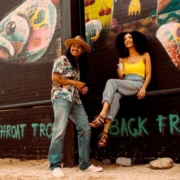
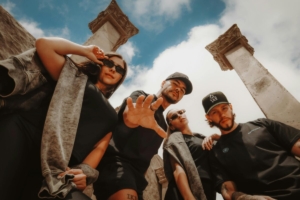
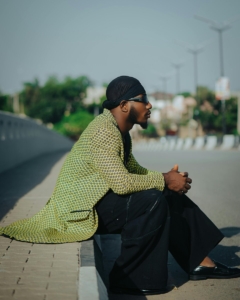
Urban fashion culture has always been more than just clothing — it’s a movement, a reflection of identity, and a creative rebellion against conformity. It’s the style born in the streets and raised by music, art, and the unstoppable energy of the youth. At The Urban Spotlight, we live and breathe this world — celebrating the blend of hip hop, streetwear, luxury, and individuality that defines the essence of urban fashion culture today.


The Evolution of Urban Fashion Culture

Urban fashion culture began as a voice for communities often overlooked by mainstream fashion. In the late ’70s and early ’80s, as hip hop and street art exploded in cities like New York and Los Angeles, clothing became a powerful symbol of expression. Baggy jeans, oversized hoodies, sneakers, and gold chains weren’t just trends — they were statements of pride, resilience, and belonging.

Fast forward to today, and urban fashion culture has gone global. From Tokyo to London, from Lagos to Los Angeles, streetwear has taken over catwalks and social media feeds alike. Brands like Off-White, Supreme, Fear of God, and Telfar have blurred the lines between luxury and street style, proving that authenticity sells just as well as exclusivity.


Music’s Impact on Urban Fashion Culture

The connection between music and urban fashion culture is inseparable. Hip hop, R&B, and even drill music continue to shape what people wear and how they wear it. Artists like Kanye West, A$AP Rocky, Cardi B, and Rihanna don’t just make music — they dictate fashion trends through their every appearance.

When Jay-Z wore oversized jerseys and Timberlands, that became the look of ambition. When Kanye dropped Yeezys, sneakers evolved from accessories to luxury statements. Today, stars like Ice Spice, Doja Cat, and Lil Baby are the new style trendsetters, redefining what urban fashion looks like for the next generation.


Urban Fashion Culture

Urban Fashion Culture

Streetwear, Self-Expression, and Identity

At its heart, urban fashion culture celebrates individuality. Every graphic tee, ripped jean, or pair of Jordans tells a story about where you come from and what you stand for. The streets became a runway for authenticity — a place where people didn’t wait for approval from fashion houses to set trends.

Streetwear has grown to represent self-confidence and hustle. It’s inclusive, gender-fluid, and forever evolving. You can mix thrift-store finds with designer pieces, and that blend becomes part of your identity. In urban fashion, rules are meant to be broken — because creativity thrives in freedom.


The Rise of Sustainable and Digital Streetwear

As the world becomes more eco-conscious, urban fashion culture is embracing sustainability and innovation. Brands like Pangaia and Daily Paper are proving that you can look good while doing good, using recycled materials and ethical production methods.

Meanwhile, the digital wave has introduced virtual fashion and NFT wearables — where creators design streetwear that exists only online, ready for the metaverse. The idea that you can “wear” an outfit digitally for a post or video has redefined what fashion means in the digital age.


Celebrity Influence and the Urban Fashion Economy

Celebrities have become powerful ambassadors for urban fashion culture. From Beyoncé’s Ivy Park to Travis Scott’s collaborations with Nike, the intersection of fame, style, and entrepreneurship has created a billion-dollar ecosystem. Fashion isn’t just an accessory to fame anymore — it’s a core part of branding, influence, and identity.

The same goes for influencers who emerged from TikTok and Instagram, turning everyday street looks into viral sensations. The democratization of fashion means anyone can become a style icon — if they bring authenticity, creativity, and confidence.

Urban Fashion Culture


Conclusion: The Future of Urban Fashion Culture

The future of urban fashion culture is boundless. It continues to evolve, mixing nostalgia with new technology, rebellion with refinement, and self-expression with social responsibility. Whether it’s a pair of fresh sneakers, a graffiti-inspired hoodie, or a luxury chain, every piece tells a story rooted in culture, music, and movement.

At TheUrbanSpotlight.com, we’ll keep shining light on this unstoppable culture — from celebrity fashion highlights to exclusive interviews and the latest streetwear drops. Because urban fashion culture isn’t just what people wear — it’s how they live, create, and inspire.

DON’T MISS A BEAT

Be the first to know when our Urban Hotties is released.

We don’t spam! Read our privacy policy for more info.

© Copyright – 2021 The Urban Spotlight –  All Rights Reserved. Privacy Policy   Terms of Service | Find us On