
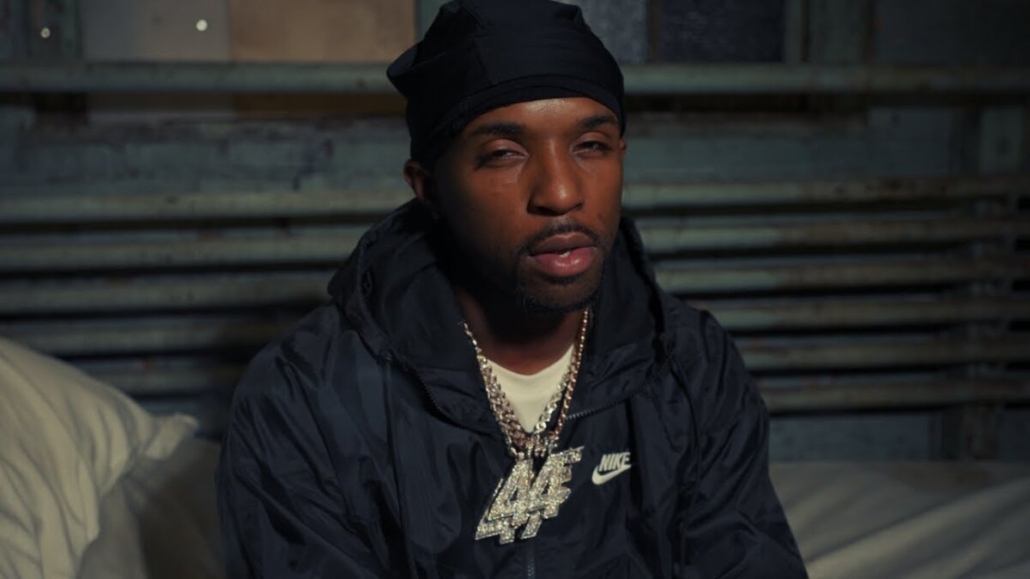
THF Lil Law Says 051 Young Money Can’t Rap — Reveals THF Mooda Is No Longer THF!
The internet never stays quiet for long, especially when strong opinions come directly from someone involved in the culture. That’s exactly what happened when THF Lil Law made several bold statements during a recent conversation — comments that instantly sparked debate across social media.
During the discussion, Lil Law openly shared his thoughts about other artists and affiliations, making claims that quickly divided fans. One statement in particular — suggesting that no one from 051 Young Money can really rap — immediately triggered reactions online. But the conversation didn’t stop there. The biggest surprise came when he revealed that THF Mooda is no longer THF, adding another layer of intrigue and speculation to the situation.
As clips spread across platforms, fans began debating whether Lil Law was simply being honest or intentionally stirring controversy. Regardless of perspective, the conversation touched on bigger themes like loyalty, growth, and how affiliations evolve over time in hip-hop culture.
This full blog takes a deeper look at what was said, why it went viral, and how moments like this reflect larger conversations happening in the music scene today.
The Conversation That Went Viral
The viral moment started during a candid discussion where Lil Law spoke openly about music, affiliations, and the state of relationships within his circle. His tone was direct and confident, which made the clips highly shareable.
Key highlights included:
-
Strong opinions about other artists’ skills
-
Honest commentary about changing affiliations
-
Discussions around loyalty and evolution
-
A straightforward, unapologetic delivery
Because of the bluntness of his comments, reaction clips spread quickly, turning a regular conversation into a trending topic.
The Rap Skill Debate
One of the most talked-about moments was Lil Law’s claim about 051 Young Money. In hip-hop, opinions on talent are always subjective, but public statements like this naturally spark heated conversations.
Fans responded in different ways:
-
Some agreed, saying everyone has the right to share opinions
-
Others strongly disagreed, defending the artists mentioned
-
Many simply viewed it as competitive talk common in rap culture
The debate quickly expanded beyond the original clip, with fans revisiting older tracks and discussions to support their opinions.
The THF Mooda Revelation
While the rap criticism gained attention, the biggest surprise came when Lil Law stated that THF Mooda is no longer part of THF. This statement immediately sparked questions online about what changed and why.
Viewers began speculating about:
-
Possible internal disagreements
-
Personal growth and changing priorities
-
The natural evolution of affiliations over time
Because no detailed explanation was given, speculation filled the gap — which helped keep the conversation alive.
Loyalty and Change in Hip-Hop
A recurring theme throughout the discussion was loyalty. In hip-hop culture, affiliations often play a major role in identity, image, and music narratives. When someone suggests changes within a group, fans naturally react strongly.
Lil Law’s comments touched on the idea that:
-
People grow and move differently over time
-
Relationships evolve as circumstances change
-
Affiliations are not always permanent
Many viewers saw this as a realistic reflection of how life and careers develop.
Social Media Reaction
As clips spread, online reactions quickly split into multiple groups.
Supporters said:
-
Lil Law was just speaking honestly
-
Artists should be allowed to express opinions
-
Growth and change are normal
Critics argued:
-
Public statements can create unnecessary tension
-
Opinions about talent are subjective
-
Discussions about affiliations should stay private
This divide kept the topic trending, with reaction channels adding their own analysis.
Why Bold Statements Go Viral
In today’s internet culture, strong opinions often spread faster than neutral commentary. Clips that include clear statements or controversial claims naturally grab attention.
Reasons the moment went viral:
-
Direct language and confidence
-
Unexpected revelations about affiliations
-
Ongoing fan debates
-
Short, shareable clips
The combination of music criticism and group dynamics created a story that audiences wanted to discuss.
The Role of Authenticity
One reason fans continue following Lil Law is his direct communication style. Whether people agree or not, many viewers feel his approach comes across as authentic.
Authenticity in interviews often includes:
-
Speaking without filters
-
Sharing personal perspective
-
Accepting backlash as part of honesty
This perception helped fuel engagement around the conversation.
Competition in Rap Culture
Hip-hop has always included competition and strong opinions about talent. Artists frequently express their views about who can rap and who cannot — sometimes to motivate competition or spark discussion.
Fans often see these moments as:
-
Part of the culture
-
Friendly competition
-
A way to keep conversations alive
From this perspective, the comments can be interpreted as more than just criticism.
The Power of Short Clips
Many viewers only saw short edited moments rather than the full conversation. This can shape reactions because context sometimes gets lost.
As a result:
-
Opinions form quickly
-
Reactions intensify
-
Debates grow faster
This is a common pattern for viral moments today.
What Fans Are Debating Now
Beyond the initial statements, conversations shifted toward bigger questions:
-
What defines real rap ability?
-
How do affiliations evolve over time?
-
Should personal changes be discussed publicly?
These broader debates helped the topic stay relevant beyond the original clip.
Personal Growth and Changing Circles
Another angle viewers discussed was personal growth. As careers develop, people often move in different directions — something Lil Law hinted at during the discussion.
Fans pointed out that:
-
Change doesn’t always mean conflict
-
Growth can lead to new paths
-
Affiliations naturally evolve with time
This interpretation made the conversation feel deeper than simple controversy.
Why the Keyword “lil law” Is Trending
The keyword lil law started appearing frequently as fans shared clips, reactions, and opinions. His direct style and strong statements kept audiences engaged, leading to continued discussion across multiple platforms.
When conversations involve strong personality and open-ended questions, engagement tends to stay high.
The Balance Between Honesty and Controversy
One of the biggest discussions online involves whether statements like this represent honesty or unnecessary controversy.
Some viewers appreciate directness, while others believe public comments can create tension. This balance is something many artists navigate when speaking openly.
What Happens Next?
As with most viral moments, attention may shift over time — but follow-up responses or new interviews could easily bring the topic back into the spotlight.
Fans will likely continue watching:
-
Whether anyone responds publicly
-
How relationships evolve moving forward
-
Whether new music reflects these conversations
The open-ended nature of the discussion keeps curiosity alive.
Bottom Line
THF Lil Law’s recent comments sparked major online debate after he shared strong opinions about rap ability and revealed changes involving THF Mooda. While some fans praised his honesty and directness, others questioned whether the statements created unnecessary controversy.
Regardless of opinion, one thing is clear — lil law’s bold words turned a simple conversation into a viral moment that has fans talking, debating, and watching closely for what comes next.
👉 Stay connected with the latest updates on this story and more hip-hop news at The Urban Spotlight Homepage.



Leave a Reply
Want to join the discussion?Feel free to contribute!