
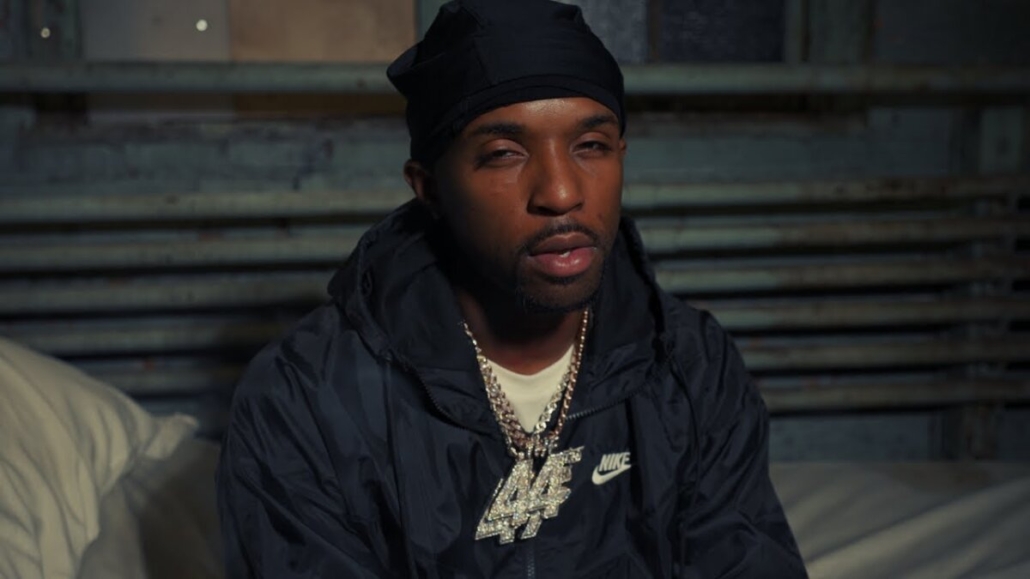
THF Lil Law EXPLODES On Lil Zay Osama & Calls Out Trap Lore — Says The Story Is WRONG!
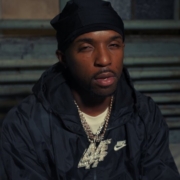
Interviews in hip-hop culture often become major talking points — especially when artists feel their stories have been misunderstood online. That’s exactly what happened recently when THF Lil Law appeared in an interview that quickly gained attention after he reacted strongly to questions involving Lil Zay Osama and online documentaries discussing street narratives.
What started as a normal conversation quickly shifted in tone. Lil Law pushed back against what he described as incomplete or inaccurate stories being shared online, particularly when it came to internet documentaries and commentary channels. His passionate reaction sparked immediate debate among fans, with some praising him for defending his perspective and others arguing that public drama only fuels more attention.
The moment quickly spread across social media, turning into another example of how interviews, internet storytelling, and real-life experiences often collide in today’s digital culture.
This full blog breaks down what happened during the interview, why the conversation became heated, and how online narratives continue shaping fan opinions in modern hip-hop discussions.
The Interview That Changed Tone
At first, the interview appeared to be a standard conversation focused on music, background, and personal experience. However, things shifted when questions began touching on online narratives and documentaries that attempt to explain street histories or artist relationships.
According to viewers, Lil Law became visibly frustrated when certain topics were brought up. He pushed back strongly, arguing that many internet stories don’t fully understand the reality behind the situations they discuss.
Key moments fans noticed:
-
A sudden change in energy during the interview
-
Strong reactions to online storytelling
-
Direct comments about narratives being wrong
-
A clear desire to correct the record
This moment quickly became the most discussed part of the interview.
Why Online Narratives Create Tension
In today’s social media era, documentaries and commentary channels often attempt to explain complex stories involving artists and their backgrounds. While some viewers appreciate these breakdowns, others — especially people directly involved — sometimes feel those stories oversimplify or misrepresent reality.
Common concerns artists raise include:
-
Missing context
-
Incorrect details
-
Outsiders interpreting personal experiences
-
Stories being told without firsthand perspectives
Lil Law reaction highlighted this ongoing tension between creators who analyze stories and individuals who lived them.
Mention of Lil Zay Osama Sparks Attention
Anytime discussions involve recognized names like Lil Zay Osama, fan interest naturally increases. Even brief mentions can trigger strong reactions, especially when conversations touch on past narratives or rumors.
Fans began debating online:
-
Whether the interview clarified anything
-
If the questions were fair
-
How much internet stories should influence public opinion
This discussion helped the interview clip spread quickly across platforms.
Calling Out Internet Documentaries
One of the strongest points Lil Law made was criticizing internet documentaries and commentary videos. He suggested that many of these productions present stories in ways that feel incomplete or misleading.
His comments echoed a broader conversation happening across entertainment culture — the growing influence of independent commentary channels and how they shape perceptions.
Supporters argued:
-
People directly involved should have a voice
-
Online storytelling isn’t always accurate
Critics countered:
-
Commentary is part of internet culture
-
Public stories will always be interpreted differently
This debate kept the conversation alive long after the interview ended.
Fans Split Into Two Sides
As clips spread online, reactions quickly divided.
Supporters of Lil Law said:
-
He had the right to defend his story
-
Online narratives often get details wrong
-
Speaking up shows authenticity
Others argued:
-
Public reactions can escalate drama
-
Internet stories are just opinions
-
Addressing controversy publicly keeps it alive
This split reaction is common whenever artists challenge popular online narratives.
The Pressure of Being Discussed Online
One reason moments like this become emotional is the reality that public figures often see their lives analyzed by strangers. Videos, posts, and commentary can spread quickly, sometimes reaching millions of viewers before the people involved have a chance to respond.
This creates pressure because:
-
Artists feel misunderstood
-
Fans form opinions quickly
-
Narratives can shape reputations
Lil Law frustration reflected the challenges many artists face when their stories are discussed publicly.
The Rise of Commentary Culture
In recent years, commentary channels and documentary-style content have grown massively online. These videos often analyze conflicts, backgrounds, and relationships — sometimes turning complex situations into simplified narratives.
While these videos attract large audiences, they also raise questions:
-
Who gets to tell the story?
-
How accurate are interpretations?
-
Where is the line between analysis and speculation?
These questions sit at the center of the conversation sparked by the interview.
Authenticity vs Public Narratives
A major theme in Lil Law reaction was authenticity — the idea that only people directly involved truly understand what happened.
Many artists feel that outside commentary can remove nuance and context, turning real experiences into entertainment.
This tension between authenticity and public storytelling continues shaping modern hip-hop discussions.
Why Fans Love Heated Interviews
From a media perspective, interviews become viral when emotions feel real. Viewers often connect more strongly with unfiltered moments than rehearsed answers.
Moments that typically go viral include:
-
Strong emotional reactions
-
Unexpected confrontations
-
Honest frustration
-
Calls for accountability
This interview contained several of these elements, which explains why it spread quickly.
Social Media Amplification
Short clips from the interview circulated rapidly on platforms like TikTok, Instagram, and YouTube. Many viewers saw only small segments rather than the full conversation.
This can create challenges because:
-
Context gets reduced
-
Reactions become stronger
-
Narratives evolve quickly
Social media’s speed often turns single moments into large discussions almost instantly.
Is Speaking Out the Right Move?
Fans continue debating whether artists should address online narratives directly or ignore them.
Arguments for speaking out:
-
Corrects misinformation
-
Allows personal perspective
-
Shows confidence
Arguments against it:
-
Gives more attention to controversy
-
Can escalate tensions
-
Keeps stories in headlines
There is no single right approach — which is why debates continue.
The Bigger Conversation About Internet Storytelling
Beyond this specific interview, the situation reflects a larger cultural shift. The internet now acts as a storytelling platform where anyone can present explanations or theories.
This creates opportunities but also risks:
-
More voices contributing
-
Faster spread of information
-
Increased chance of misunderstanding
Artists navigating this environment often face the challenge of balancing silence with speaking up.
Why the Internet Keeps Watching
Fans are drawn to moments where emotion meets controversy. The combination of strong personalities, differing perspectives, and unresolved debates keeps audiences engaged.
Questions viewers continue asking include:
-
Is the story being told correctly?
-
Who should fans believe?
-
Will more responses follow?
As long as these questions remain open, the conversation continues.
The Role of Respect in Discussions
One important takeaway from the interview is how sensitive certain topics can be. Stories involving real lives and experiences carry emotional weight, which explains why responses sometimes become intense.
Respectful discussion — even during disagreement — remains an important part of keeping conversations productive.
Bottom Line
THF Lil Law heated interview moment sparked major discussion after he pushed back against online narratives involving Lil Zay Osama and internet documentaries. By challenging what he sees as incomplete or misleading stories, he reignited a broader debate about who gets to tell stories in the digital age.
Fans remain divided — some supporting him for speaking out, others arguing that addressing the controversy adds more fuel to the fire. Regardless of viewpoint, the interview highlights how powerful online storytelling has become and how strongly artists feel about protecting their own narratives.
One thing is certain: in today’s internet culture, the conversation doesn’t end when the interview stops — it usually just begins.
👉 Stay connected with the latest updates on this story and more hip-hop news at The Urban Spotlight Homepage.



Leave a Reply
Want to join the discussion?Feel free to contribute!