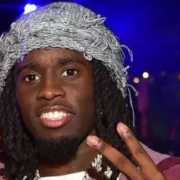

“People Aren’t Allowed to Evolve?” — Tylil Speaks Up as Kai Cenat Faces Backlash 👀🔥
A Defense That Sparked a Bigger Conversation
Online backlash moves fast, but sometimes the response moves even faster. That’s what happened when Tylil publicly stepped in to defend Kai Cenat amid criticism over Kai’s growing interest in fashion and reading.
The pushback Kai received surprised many. What should’ve been harmless — even positive — personal growth quickly turned into jokes, accusations of “switching up,” and questions about authenticity. Tylil wasn’t having it.
His message was simple but pointed: why is growth treated like betrayal?

What Triggered the Backlash
Kai Cenat has built his rise on high-energy streams, humor, and chaotic moments that resonate with a massive young audience. Recently, fans noticed a shift — more attention to fashion, conversations about style, and even moments of reading on stream.
For most people, that would be unremarkable. For a creator as visible as Kai, it became a lightning rod.
Critics accused him of trying too hard to appear “different” or more “mature,” while others mocked the change as performative. The internet, as it often does, tried to freeze him in a version of himself that no longer fully fits.
Tylil’s Response: Growth Isn’t Switching Up
Tylil addressed the criticism head-on, questioning why people act like creators aren’t allowed to change. According to him, discovering new interests doesn’t erase where someone came from — it adds to who they’re becoming.
He pointed out a pattern that’s become common online: once an audience connects with a specific version of a creator, they expect that version to stay static forever. Any deviation is treated as inauthentic.
In Tylil’s view, that expectation is unfair — and unrealistic.
The Internet’s Need to Box Creators In
One of the strongest points Tylil raised was how the internet tends to lock creators into a single identity. If someone comes up doing comedy, they’re expected to always be the comedian. If they stream games, they’re supposed to onlygame.
Growth disrupts that comfort.
When Kai explores fashion or reading, it challenges the narrow box people placed him in — and that discomfort often turns into criticism. Tylil framed this as less about Kai and more about how audiences resist change.
Fans Split Over Authenticity vs Evolution
Once the clip circulated, reactions poured in.
Supporters echoed Tylil’s stance, arguing that Kai’s evolution should be encouraged — especially since he influences millions of young viewers. To them, seeing a popular streamer embrace curiosity, style, and learning is a positive shift.
Others weren’t convinced. Some claimed the changes felt forced or out of character, questioning whether Kai was genuinely interested or simply rebranding.
That divide exposed a deeper question: who gets to decide what authenticity looks like?
Why This Debate Matters Beyond One Streamer
This isn’t just about Kai Cenat. It’s about the pressure placed on public figures to remain frozen in time.
Creators grow older.
Their interests change.
Their goals evolve.
Yet audiences often want the comfort of familiarity more than the reality of growth. Tylil’s defense tapped into that broader tension — one many creators quietly deal with but rarely address publicly.
Influence Comes With Responsibility — and Scrutiny
With massive influence comes intense scrutiny. Every shift is analyzed, every interest questioned. For Kai, something as simple as reading a book became a statement people felt entitled to judge.
Tylil’s comments highlighted how exhausting that scrutiny can be — and how unfair it is to expect someone to remain the same person forever just because they’re successful at being one version.
Growth Isn’t a Rebrand — It’s Human
One of the strongest reactions in support of Tylil’s stance came from fans who saw themselves in Kai’s situation. Many related to the idea of being mocked for changing interests or outgrowing old identities.
In that sense, this wasn’t just a creator debate — it was a human one.
People evolve. Interests expand. Growth doesn’t cancel authenticity; it reshapes it.
Where the Conversation Stands Now
The backlash hasn’t completely disappeared, but the discussion has shifted. Instead of just criticizing Kai, many are now questioning why growth is treated like something suspicious.
Tylil’s defense didn’t end the debate — it reframed it.
And in online culture, reframing can be more powerful than arguing.
Final Thoughts: Letting Creators Grow
Tylil didn’t just defend Kai Cenat — he challenged the internet’s expectations altogether. His message cut to the core of modern creator culture: audiences love success, but they struggle with change.
Whether people agree or disagree, one thing is clear — growth isn’t something to apologize for.
And if creators aren’t allowed to evolve, then who really benefits from keeping them stuck?
👉 Stay connected with the latest updates on this story and more hip-hop news at The Urban Spotlight Homepage.