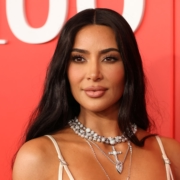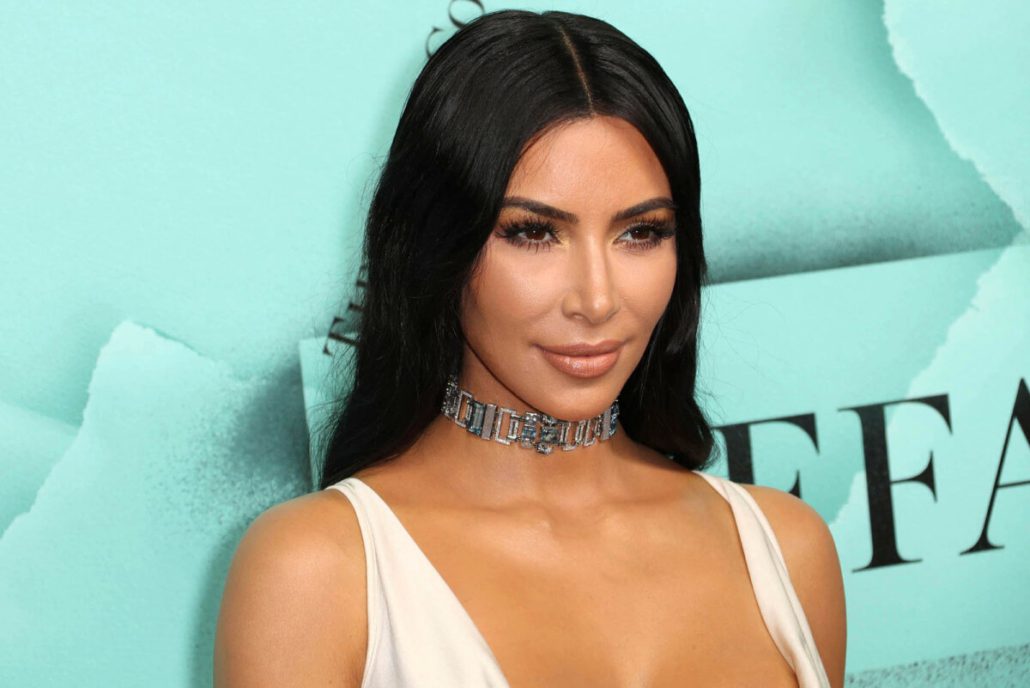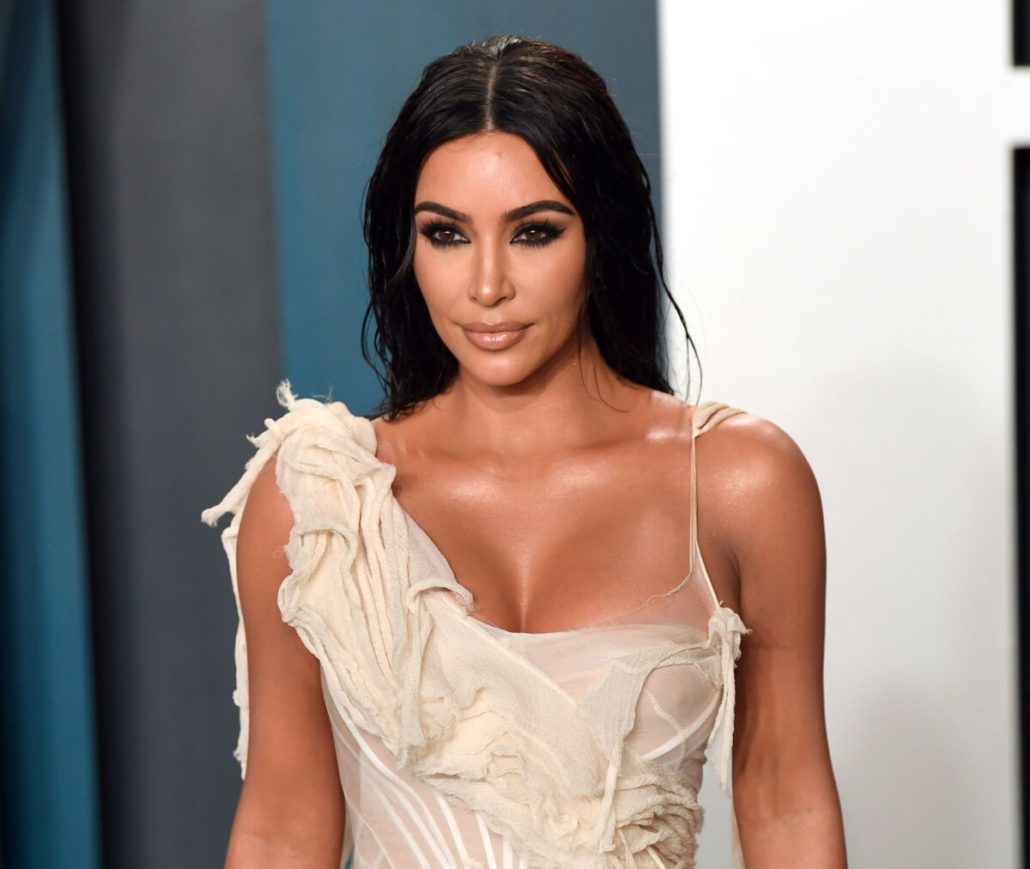

This Is How Kim Kardashian Hacked Fame Before Social Media
Before algorithms, influencer deals, and viral clips, fame worked very differently. There were no Instagram stories to flood timelines, no TikTok trends to ride, and no YouTube monetization strategies. Visibility depended on something far more unpredictable — attention.
And according to her own words, Kim Kardashian understood that earlier than almost anyone.
A recent confession from Kim has gone viral after she admitted that some of her early paparazzi photos weren’t random at all. They were planned. Strategically staged. Carefully timed. Not for vanity — but for momentum.
That revelation has forced the internet to rethink how fame actually works.

Fame Didn’t “Just Happen” — It Was Built
For years, people assumed Kim Kardashian’s rise was a mix of luck, controversy, and being in the right circles at the right time. The narrative was simple: she became famous because cameras followed her.
But Kim just confirmed what many media analysts suspected all along — the cameras didn’t just find her, she positioned herself to be seen.
She admitted that early in her career, when she didn’t yet have a platform or brand power, she would deliberately put herself in situations where paparazzi would be present. She knew what streets they worked. She knew what restaurants they watched. She knew when to show up.
This wasn’t accidental visibility.
It was calculated presence.
Understanding the Pre-Social Media Era
To understand why this matters, you have to remember how fame worked in the early 2000s.
There was no “post and go viral” button.
If you wanted attention, your options were limited:
-
Magazine covers
-
Reality television
-
Paparazzi photos
-
Red carpet appearances
That was it.
And paparazzi images weren’t just photos — they were distribution channels. Every candid shot could end up on tabloids, entertainment blogs, and TV segments. One photo could travel the world.
Kim understood that attention wasn’t something you waited for.
It was something you engineered.
Visibility Was the Currency — Not Talent
This confession also highlights something uncomfortable but true about celebrity culture.
At the start, visibility matters more than validation.
Kim wasn’t pretending those photos made her an artist or actor. She was creating recognition. Because recognition opens doors — and doors lead to opportunity.
Once the public knows your face, you can:
-
Build a narrative
-
Create a brand
-
Launch products
-
Control perception
Kim didn’t chase respect first.
She chased awareness.
Why This Strategy Wasn’t “Fake” — It Was Smart
Critics often label early celebrity tactics as “fake fame,” but that framing misses the point.
Marketing is not authenticity.
Marketing is strategy.
Kim Kardashian treated herself like a startup brand before personal branding was mainstream. She understood that attention precedes influence — and influence precedes power.
She didn’t lie about who she was.
She simply made sure people noticed her.
That distinction matters.
Turning Attention Into an Empire
What separates Kim Kardashian from countless others who chased fame is what happened after the attention.
She didn’t just stay visible — she converted visibility into infrastructure:
-
Reality television longevity
-
Fashion and beauty businesses
-
Licensing deals
-
Cultural relevance across decades
Many people get seen.
Very few know what to do once they are.
Kim built systems.
Why This Confession Changed the Conversation
The reason this clip went viral isn’t shock — it’s clarity.
People suddenly realized:
-
Fame isn’t accidental
-
Exposure is strategic
-
Celebrities don’t “blow up” — they build momentum
This confession stripped away the myth that success happens organically. It exposed the planning behind the spotlight.
And for some people, that’s uncomfortable.
The Double Standard Around Female Ambition
Another reason this moment hit hard is because ambition looks different depending on who shows it.
When men strategically build careers, it’s called “hustle.”
When women do it, it’s often called “manipulative.”
Kim Kardashian owning her strategy challenges that double standard.
She didn’t apologize.
She explained.
And that confidence is part of why her brand still survives.
Paparazzi as a Tool, Not a Threat
Most celebrities complain about paparazzi — and many have good reason to. But Kim flipped the dynamic early on.
Instead of fighting visibility, she used it.
That doesn’t mean she controlled everything — but she understood how to leverage the system instead of resisting it.
That mindset is what separates people who survive fame from people who burn out inside it.
Why This Still Matters Today
Even in the social media era, Kim’s strategy remains relevant.
Today’s paparazzi are:
-
Algorithms
-
Feeds
-
Engagement metrics
-
Trends
The principle hasn’t changed — only the tools have.
Attention still comes first.
Control still comes later.
Kim Kardashian mastered that before the rest of the world caught up.
Smart Hustle or Fake Fame?
That’s the debate lighting up social media right now.
Some people argue it proves fame is manufactured.
Others argue it proves Kim is a marketing genius.
The truth?
It’s both.
Fame is constructed — and Kim just admitted she helped build hers brick by brick.
Final Thoughts
Kim Kardashian didn’t wait to be chosen.
She placed herself where she couldn’t be ignored.
That revelation doesn’t cheapen her success — it explains it.
In a world that rewards visibility before credibility, she played the game early, played it intelligently, and played it better than almost anyone else.
And whether people love her or criticize her, one thing is undeniable:
Fame didn’t happen to Kim Kardashian.
She made it happen.
💬 Smart hustle or fake fame?
Drop your take below 👇
👉 Stay connected with the latest updates on this story and more hip-hop news at The Urban Spotlight Homepage.