Posts

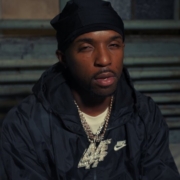
THF Lil Law Says 051 Young Money Can’t Rap — Reveals THF Mooda Is No Longer THF!

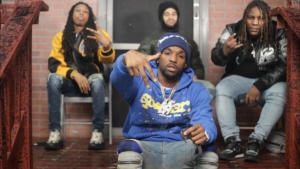
The internet never stays quiet for long, especially when strong opinions come directly from someone involved in the culture. That’s exactly what happened when THF Lil Law made several bold statements during a recent conversation — comments that instantly sparked debate across social media.

During the discussion, Lil Law openly shared his thoughts about other artists and affiliations, making claims that quickly divided fans. One statement in particular — suggesting that no one from 051 Young Money can really rap — immediately triggered reactions online. But the conversation didn’t stop there. The biggest surprise came when he revealed that THF Mooda is no longer THF, adding another layer of intrigue and speculation to the situation.
As clips spread across platforms, fans began debating whether Lil Law was simply being honest or intentionally stirring controversy. Regardless of perspective, the conversation touched on bigger themes like loyalty, growth, and how affiliations evolve over time in hip-hop culture.

This full blog takes a deeper look at what was said, why it went viral, and how moments like this reflect larger conversations happening in the music scene today.


The Conversation That Went Viral

The viral moment started during a candid discussion where Lil Law spoke openly about music, affiliations, and the state of relationships within his circle. His tone was direct and confident, which made the clips highly shareable.

Key highlights included:

  • Strong opinions about other artists’ skills

  • Honest commentary about changing affiliations

  • Discussions around loyalty and evolution

  • A straightforward, unapologetic delivery

Because of the bluntness of his comments, reaction clips spread quickly, turning a regular conversation into a trending topic.


The Rap Skill Debate

One of the most talked-about moments was Lil Law’s claim about 051 Young Money. In hip-hop, opinions on talent are always subjective, but public statements like this naturally spark heated conversations.

Fans responded in different ways:

  • Some agreed, saying everyone has the right to share opinions

  • Others strongly disagreed, defending the artists mentioned

  • Many simply viewed it as competitive talk common in rap culture

The debate quickly expanded beyond the original clip, with fans revisiting older tracks and discussions to support their opinions.


The THF Mooda Revelation

While the rap criticism gained attention, the biggest surprise came when Lil Law stated that THF Mooda is no longer part of THF. This statement immediately sparked questions online about what changed and why.

Viewers began speculating about:

  • Possible internal disagreements

  • Personal growth and changing priorities

  • The natural evolution of affiliations over time

Because no detailed explanation was given, speculation filled the gap — which helped keep the conversation alive.


Loyalty and Change in Hip-Hop

A recurring theme throughout the discussion was loyalty. In hip-hop culture, affiliations often play a major role in identity, image, and music narratives. When someone suggests changes within a group, fans naturally react strongly.

Lil Law’s comments touched on the idea that:

  • People grow and move differently over time

  • Relationships evolve as circumstances change

  • Affiliations are not always permanent

Many viewers saw this as a realistic reflection of how life and careers develop.


Social Media Reaction

As clips spread, online reactions quickly split into multiple groups.

Supporters said:

  • Lil Law was just speaking honestly

  • Artists should be allowed to express opinions

  • Growth and change are normal

Critics argued:

  • Public statements can create unnecessary tension

  • Opinions about talent are subjective

  • Discussions about affiliations should stay private

This divide kept the topic trending, with reaction channels adding their own analysis.


Why Bold Statements Go Viral

In today’s internet culture, strong opinions often spread faster than neutral commentary. Clips that include clear statements or controversial claims naturally grab attention.

Reasons the moment went viral:

  • Direct language and confidence

  • Unexpected revelations about affiliations

  • Ongoing fan debates

  • Short, shareable clips

The combination of music criticism and group dynamics created a story that audiences wanted to discuss.


The Role of Authenticity

One reason fans continue following Lil Law is his direct communication style. Whether people agree or not, many viewers feel his approach comes across as authentic.

Authenticity in interviews often includes:

  • Speaking without filters

  • Sharing personal perspective

  • Accepting backlash as part of honesty

This perception helped fuel engagement around the conversation.


Competition in Rap Culture

Hip-hop has always included competition and strong opinions about talent. Artists frequently express their views about who can rap and who cannot — sometimes to motivate competition or spark discussion.

Fans often see these moments as:

  • Part of the culture

  • Friendly competition

  • A way to keep conversations alive

From this perspective, the comments can be interpreted as more than just criticism.


The Power of Short Clips

Many viewers only saw short edited moments rather than the full conversation. This can shape reactions because context sometimes gets lost.

As a result:

  • Opinions form quickly

  • Reactions intensify

  • Debates grow faster

This is a common pattern for viral moments today.


What Fans Are Debating Now

Beyond the initial statements, conversations shifted toward bigger questions:

  • What defines real rap ability?

  • How do affiliations evolve over time?

  • Should personal changes be discussed publicly?

These broader debates helped the topic stay relevant beyond the original clip.


Personal Growth and Changing Circles

Another angle viewers discussed was personal growth. As careers develop, people often move in different directions — something Lil Law hinted at during the discussion.

Fans pointed out that:

  • Change doesn’t always mean conflict

  • Growth can lead to new paths

  • Affiliations naturally evolve with time

This interpretation made the conversation feel deeper than simple controversy.


Why the Keyword “lil law” Is Trending

The keyword lil law started appearing frequently as fans shared clips, reactions, and opinions. His direct style and strong statements kept audiences engaged, leading to continued discussion across multiple platforms.

When conversations involve strong personality and open-ended questions, engagement tends to stay high.


The Balance Between Honesty and Controversy

One of the biggest discussions online involves whether statements like this represent honesty or unnecessary controversy.

Some viewers appreciate directness, while others believe public comments can create tension. This balance is something many artists navigate when speaking openly.


What Happens Next?

As with most viral moments, attention may shift over time — but follow-up responses or new interviews could easily bring the topic back into the spotlight.

Fans will likely continue watching:

  • Whether anyone responds publicly

  • How relationships evolve moving forward

  • Whether new music reflects these conversations

The open-ended nature of the discussion keeps curiosity alive.


Bottom Line

THF Lil Law’s recent comments sparked major online debate after he shared strong opinions about rap ability and revealed changes involving THF Mooda. While some fans praised his honesty and directness, others questioned whether the statements created unnecessary controversy.

Regardless of opinion, one thing is clear — lil law’s bold words turned a simple conversation into a viral moment that has fans talking, debating, and watching closely for what comes next.

👉 Stay connected with the latest updates on this story and more hip-hop news at The Urban Spotlight Homepage.

Nike Air Max Dn8 – Affiliate Link
19

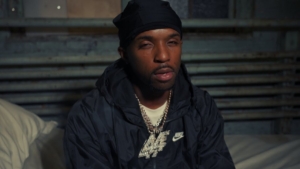
THF Lil Law EXPLODES On Lil Zay Osama & Calls Out Trap Lore — Says The Story Is WRONG!

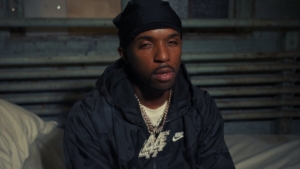
Interviews in hip-hop culture often become major talking points — especially when artists feel their stories have been misunderstood online. That’s exactly what happened recently when THF Lil Law appeared in an interview that quickly gained attention after he reacted strongly to questions involving Lil Zay Osama and online documentaries discussing street narratives.

What started as a normal conversation quickly shifted in tone. Lil Law pushed back against what he described as incomplete or inaccurate stories being shared online, particularly when it came to internet documentaries and commentary channels. His passionate reaction sparked immediate debate among fans, with some praising him for defending his perspective and others arguing that public drama only fuels more attention.

Lil Law

The moment quickly spread across social media, turning into another example of how interviews, internet storytelling, and real-life experiences often collide in today’s digital culture.

This full blog breaks down what happened during the interview, why the conversation became heated, and how online narratives continue shaping fan opinions in modern hip-hop discussions.


The Interview That Changed Tone

At first, the interview appeared to be a standard conversation focused on music, background, and personal experience. However, things shifted when questions began touching on online narratives and documentaries that attempt to explain street histories or artist relationships.

According to viewers, Lil Law became visibly frustrated when certain topics were brought up. He pushed back strongly, arguing that many internet stories don’t fully understand the reality behind the situations they discuss.

Key moments fans noticed:

  • A sudden change in energy during the interview

  • Strong reactions to online storytelling

  • Direct comments about narratives being wrong

  • A clear desire to correct the record

This moment quickly became the most discussed part of the interview.


Why Online Narratives Create Tension

In today’s social media era, documentaries and commentary channels often attempt to explain complex stories involving artists and their backgrounds. While some viewers appreciate these breakdowns, others — especially people directly involved — sometimes feel those stories oversimplify or misrepresent reality.

Common concerns artists raise include:

  • Missing context

  • Incorrect details

  • Outsiders interpreting personal experiences

  • Stories being told without firsthand perspectives

Lil Law reaction highlighted this ongoing tension between creators who analyze stories and individuals who lived them.

lil law


Mention of Lil Zay Osama Sparks Attention

Anytime discussions involve recognized names like Lil Zay Osama, fan interest naturally increases. Even brief mentions can trigger strong reactions, especially when conversations touch on past narratives or rumors.

Fans began debating online:

  • Whether the interview clarified anything

  • If the questions were fair

  • How much internet stories should influence public opinion

This discussion helped the interview clip spread quickly across platforms.


Calling Out Internet Documentaries

One of the strongest points Lil Law made was criticizing internet documentaries and commentary videos. He suggested that many of these productions present stories in ways that feel incomplete or misleading.

His comments echoed a broader conversation happening across entertainment culture — the growing influence of independent commentary channels and how they shape perceptions.

Supporters argued:

  • People directly involved should have a voice

  • Online storytelling isn’t always accurate

Critics countered:

  • Commentary is part of internet culture

  • Public stories will always be interpreted differently

This debate kept the conversation alive long after the interview ended.


Fans Split Into Two Sides

As clips spread online, reactions quickly divided.

Supporters of Lil Law said:

  • He had the right to defend his story

  • Online narratives often get details wrong

  • Speaking up shows authenticity

Others argued:

  • Public reactions can escalate drama

  • Internet stories are just opinions

  • Addressing controversy publicly keeps it alive

This split reaction is common whenever artists challenge popular online narratives.


The Pressure of Being Discussed Online

One reason moments like this become emotional is the reality that public figures often see their lives analyzed by strangers. Videos, posts, and commentary can spread quickly, sometimes reaching millions of viewers before the people involved have a chance to respond.

This creates pressure because:

  • Artists feel misunderstood

  • Fans form opinions quickly

  • Narratives can shape reputations

Lil Law frustration reflected the challenges many artists face when their stories are discussed publicly.


The Rise of Commentary Culture

In recent years, commentary channels and documentary-style content have grown massively online. These videos often analyze conflicts, backgrounds, and relationships — sometimes turning complex situations into simplified narratives.

While these videos attract large audiences, they also raise questions:

  • Who gets to tell the story?

  • How accurate are interpretations?

  • Where is the line between analysis and speculation?

These questions sit at the center of the conversation sparked by the interview.


Authenticity vs Public Narratives

A major theme in Lil Law reaction was authenticity — the idea that only people directly involved truly understand what happened.

Many artists feel that outside commentary can remove nuance and context, turning real experiences into entertainment.

This tension between authenticity and public storytelling continues shaping modern hip-hop discussions.


Why Fans Love Heated Interviews

From a media perspective, interviews become viral when emotions feel real. Viewers often connect more strongly with unfiltered moments than rehearsed answers.

Moments that typically go viral include:

  • Strong emotional reactions

  • Unexpected confrontations

  • Honest frustration

  • Calls for accountability

This interview contained several of these elements, which explains why it spread quickly.


Social Media Amplification

Short clips from the interview circulated rapidly on platforms like TikTok, Instagram, and YouTube. Many viewers saw only small segments rather than the full conversation.

This can create challenges because:

  • Context gets reduced

  • Reactions become stronger

  • Narratives evolve quickly

Social media’s speed often turns single moments into large discussions almost instantly.


Is Speaking Out the Right Move?

Fans continue debating whether artists should address online narratives directly or ignore them.

Arguments for speaking out:

  • Corrects misinformation

  • Allows personal perspective

  • Shows confidence

Arguments against it:

  • Gives more attention to controversy

  • Can escalate tensions

  • Keeps stories in headlines

There is no single right approach — which is why debates continue.


The Bigger Conversation About Internet Storytelling

Beyond this specific interview, the situation reflects a larger cultural shift. The internet now acts as a storytelling platform where anyone can present explanations or theories.

This creates opportunities but also risks:

  • More voices contributing

  • Faster spread of information

  • Increased chance of misunderstanding

Artists navigating this environment often face the challenge of balancing silence with speaking up.


Why the Internet Keeps Watching

Fans are drawn to moments where emotion meets controversy. The combination of strong personalities, differing perspectives, and unresolved debates keeps audiences engaged.

Questions viewers continue asking include:

  • Is the story being told correctly?

  • Who should fans believe?

  • Will more responses follow?

As long as these questions remain open, the conversation continues.


The Role of Respect in Discussions

One important takeaway from the interview is how sensitive certain topics can be. Stories involving real lives and experiences carry emotional weight, which explains why responses sometimes become intense.

Respectful discussion — even during disagreement — remains an important part of keeping conversations productive.


Bottom Line

THF Lil Law heated interview moment sparked major discussion after he pushed back against online narratives involving Lil Zay Osama and internet documentaries. By challenging what he sees as incomplete or misleading stories, he reignited a broader debate about who gets to tell stories in the digital age.

Fans remain divided — some supporting him for speaking out, others arguing that addressing the controversy adds more fuel to the fire. Regardless of viewpoint, the interview highlights how powerful online storytelling has become and how strongly artists feel about protecting their own narratives.

One thing is certain: in today’s internet culture, the conversation doesn’t end when the interview stops — it usually just begins.

👉 Stay connected with the latest updates on this story and more hip-hop news at The Urban Spotlight Homepage.
Nike Air Max Dn8 – Affiliate Link
23

THF Lil Law SHOCKING Confession — Jail at 13, Street Life & 6 Years That Changed Everything

Stories about survival and transformation often capture attention because they reveal the realities behind lifestyles that many people only hear about from a distance. Recently, THF Lil Law opened up about his past, sharing a raw and honest reflection on growing up in difficult environments, entering the justice system at a very young age, and spending years behind bars.

His story quickly gained attention online because it highlights a journey filled with hardship, lessons, and personal reflection. From being locked up at just 13 years old to eventually spending six years in prison, THF Lil Law describes how those experiences shaped his mindset and changed the way he views life today.

Unlike stories that glamorize street culture, his account focuses more on consequences, survival, and mental growth. He explains how prison forced him to think differently, pushing him toward self-awareness and reflection rather than destruction.

This blog explores his story, the themes that resonate with viewers, and why conversations like these are important for understanding how environment, choices, and personal growth intersect.

Lil


Early Life and the Environment Around Him

Many people who grow up in difficult neighborhoods describe feeling influenced by their surroundings at an early age. THF Lil Law’s story reflects this reality — an environment where survival, loyalty, and reputation often become central themes in everyday life.

When young people are exposed to violence, instability, or limited opportunities, decisions can be shaped by circumstances long before they fully understand the consequences.

Key themes from his early life:

  • Growing up surrounded by street culture

  • Learning survival mentality early

  • Feeling pressure to adapt to environment

  • Limited guidance during critical years

His reflections show how quickly life paths can change when someone is exposed to intense situations during childhood.


Locked Up at 13: A Life-Changing Moment

One of the most shocking parts of his story is being incarcerated at just 13 years old. That age is typically associated with school, growth, and childhood experiences — not jail cells and survival inside the system.

Being placed in custody so young can have lasting psychological effects. Many people describe early incarceration as a moment where innocence disappears and adulthood arrives far too soon.

For THF Lil Law, this experience became a turning point. Instead of seeing life the same way, he says the system forced him to mature quickly and develop a tougher mindset just to survive.


Understanding the Reality of Youth Incarceration

When young people enter the correctional system, they often face challenges that shape them deeply. Rather than simple punishment, incarceration can become a formative experience that influences identity and future choices.

Common struggles include:

  • Isolation from family and support systems

  • Exposure to older, more experienced individuals

  • Constant need to protect oneself

  • Emotional stress and adaptation

These realities help explain why people who spend time in prison at a young age often come out with a completely different perspective on life.


The Street Mentality and Survival

THF Lil Law discusses how survival became a central theme in his mindset. In environments where trust is limited, people often rely heavily on loyalty and personal strength.

This mentality can be both protective and limiting. On one hand, it helps individuals navigate difficult situations. On the other hand, it can reinforce cycles of conflict and risk.

His reflections show how difficult it can be to separate survival instincts from long-term thinking — especially when those instincts develop early in life.


Six Years Inside: The Experience That Changed Everything

One of the most powerful parts of his story revolves around spending six years in prison. He describes this period not only as punishment but also as a time of personal reflection.

Long periods behind bars often force individuals to slow down and think about choices, consequences, and future direction.

Lessons he says he learned during those years:

  • Mental strength is essential for survival

  • Patience becomes a daily skill

  • Loyalty and trust take on new meaning

  • Reflection becomes unavoidable

Rather than focusing only on hardship, he explains how the experience pushed him to reconsider his path.


Mental Growth Through Hardship

A major theme in his confession is that prison did not destroy him mentally — instead, it made him stronger. This perspective resonates with many viewers because it reframes hardship as a catalyst for growth.

Personal growth often happens during difficult moments, when people are forced to confront themselves honestly.

According to his reflections, prison gave him:

  • Time to think deeply about life choices

  • Greater awareness of consequences

  • Motivation to tell his story openly

  • A stronger sense of identity

This shift from survival to reflection is one reason his story has connected with audiences.


The Role of Loyalty and Brotherhood

Another topic he discusses is loyalty — a concept heavily tied to both street culture and prison life, something Lil Law says played a major role in how he navigated difficult situations.

In environments where trust is rare, loyalty becomes a survival tool. But he also reflects on how loyalty can sometimes lead people into dangerous situations if not balanced with personal judgment, a lesson Lil Law says he learned through experience.

This duality adds depth to his story, showing that loyalty can be both a strength and a challenge.


Why Sharing His Story Matters Now

THF Lil Law emphasizes that telling his story today serves a purpose beyond entertainment. By speaking openly, he hopes others understand the realities behind decisions made at young ages, something Lil artists and listeners alike can learn from.

Stories like this can function as cautionary reflections, highlighting consequences rather than glamorizing the lifestyle, which is why many say Lil Law’s honesty stands out.

Many viewers appreciate this honesty because it feels authentic and grounded in real experience.


Social Media and Storytelling

The internet has changed how personal stories are shared. In the past, experiences like this might only be heard locally. Today, interviews and clips spread instantly, allowing larger audiences to connect with personal narratives.

This visibility creates opportunities for:

  • Education through real-life experiences

  • Conversations about youth choices

  • Discussions about rehabilitation and growth

At the same time, it also brings attention and scrutiny, which adds pressure to public storytelling.


Why Audiences Connect With Stories Like This

People often connect with transformation stories because they include universal themes:

  • Making mistakes

  • Facing consequences

  • Learning from hardship

  • Finding a new direction

Even those who haven’t experienced similar environments can relate to the idea of personal growth after difficult experiences.


The Debate Around Street Narratives

Whenever stories about street life become popular, debates arise about whether they encourage or discourage certain lifestyles.

Supporters say:

  • Honest storytelling helps people understand reality

  • It can warn others about consequences

Critics argue:

  • Some audiences may romanticize the narrative

THF Lil Law’s reflections lean more toward lessons learned, which many viewers interpret as an attempt to share truth rather than glorification.


The Meaning of Mental Strength

When he talks about becoming mentally stronger, he highlights a core idea: survival is not just physical — it is psychological.

Mental strength in tough environments often includes:

  • Emotional control

  • Awareness of surroundings

  • Adaptability

  • Self-reflection

These skills, he suggests, became essential during his years in prison.


Reflection vs Fame

Another interesting aspect of his confession is the emphasis on reflection over fame. While public attention can come with sharing personal stories, he frames his narrative as a way to explain the reality behind his journey.

This approach resonates with audiences who value authenticity in storytelling.


The Broader Conversation

Beyond one individual, stories like this raise larger questions:

  • How do early environments shape life paths?

  • What role does rehabilitation play in personal growth?

  • Can difficult experiences lead to positive transformation?

These questions drive deeper conversations about society, opportunity, and personal responsibility.


Moving Forward

THF Lil Law’s reflections suggest that he views his past as part of his identity but not the definition of his future. This perspective emphasizes growth — acknowledging mistakes while focusing on what comes next.

For many viewers, this mindset is the most powerful takeaway from his story.


Bottom Line

THF Lil Law’s confession about entering jail at 13, surviving years behind bars, and coming out mentally stronger has captured attention because it feels real and unfiltered. His story highlights the harsh realities of street life while emphasizing reflection, growth, and the importance of sharing lessons learned.

Whether people see his journey as redemption or simply a chapter still unfolding, the message is clear: experiences can shape a person, but they don’t have to define their future forever.

👉 Stay connected with the latest updates on this story and more hip-hop news at The Urban Spotlight Homepage.

Nike Air Max Dn8 – Affiliate Link
21

DON’T MISS A BEAT

Be the first to know when our Urban Hotties is released.

We don’t spam! Read our privacy policy for more info.

© Copyright – 2021 The Urban Spotlight –  All Rights Reserved. Privacy Policy   Terms of Service | Find us On