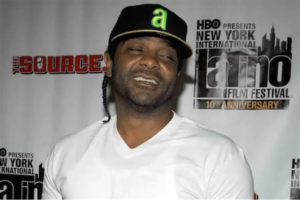
vlad

DJ Vlad Fires Back at Joyner Lucas – The Lawsuit, the Culture, and the Truth Behind It All

vlad

In a world where hip-hop and media constantly collide, this time the spotlight turned inward.
DJ Vlad — the architect behind one of the most-watched interview platforms in hip-hop — found himself in the middle of a legal storm.

Not for something he aired.
But for something he allegedly took.

The man calling him out?
Joyner Lucas.

What started as a creative disagreement soon spiraled into one of the most talked-about feuds between an artist and a media mogul — a clash of art, ego, and ownership.


The Accusation: Joyner Lucas Strikes First

Joyner Lucas came forward with a bold claim:
DJ Vlad used his music and visuals without permission.

To Joyner, it wasn’t about money — it was about respect.
His art, his vision, his voice — used to amplify another man’s platform.

But Vlad wasn’t backing down.
He did what few expected — he filed a lawsuit of his own.

For Vlad, this wasn’t a clout chase. It was about control.
About reminding everyone that media, too, has boundaries.

“If you don’t f*** with me, don’t use my content. Period.”

It was the kind of line only Vlad could deliver — blunt, unapologetic, and anchored in business.


Vlad Speaks: “It’s Not Beef, It’s Business”

In a sit-down with Whack 100, Vlad broke his silence. Calm. Collected. Direct.

He explained that Joyner’s anger wasn’t about copyright — it was personal.

“Joyner was mad because I wouldn’t post his freestyle. He said I owed him. But that’s not how it works.
You can’t call me a culture vulture and then turn around and use my videos for promo.”

To Vlad, it was simple math:
Respect my platform, or don’t touch my work.

Whack 100, never afraid to stir the pot, cut to the core of it:

“Look, Vlad… people say you profit off black pain. That you stir the pot for views. How you answer that?”

Vlad didn’t flinch.

“I document the truth. When people come on my platform, they tell their stories.
I just provide the space — the cameras, the mic, and the audience.
That’s not exploitation. That’s journalism.”

And in that moment, Vlad wasn’t defending just himself — he was defending the entire ecosystem of hip-hop media.


The Bigger Picture: The Media vs. The Music Industry

The tension between artists and journalists isn’t new.
From The Breakfast Club to Complex and VladTV, interviews have long walked the fine line between exposure and exploitation.

But this — this goes deeper.
It’s about ownership in the digital age — where every clip, beat, and frame is both art and asset.

Joyner Lucas built his name on cinematic storytelling and raw emotion.
DJ Vlad built his empire on consistency, controversy, and access.

Now both men stand at the crossroads of creativity and commerce — a mirror reflecting how blurred those lines have become.

In this new era, content is currency, and copyright is the frontline of the culture war.


Whack 100: “This Culture’s Emotional”

While Vlad and Joyner traded legal blows, Whack 100 played the middle ground.

“Look man, at the end of the day, if you got paperwork, you got rights.
But let’s keep it real — this culture? It’s emotional.
Once it feels like betrayal, it’s war.”

His words hit the pulse of the issue — business versus emotion, contracts versus culture.

Because in hip-hop, loyalty isn’t written in fine print — it’s felt.
And when that loyalty is tested, every disagreement feels like a declaration.


The Fallout: What Happens Next

The outcome of Vlad vs. Joyner could reshape how artists and media collaborate in the future.
If the courts side with Vlad, media outlets may gain stronger protection over their interviews and content.
If Joyner wins, artists may gain greater power to control how their likeness and music are used.

Either way, this case will set a precedent — one that ripples across podcasts, YouTube, and digital storytelling as a whole.

Because this isn’t just about two men.
It’s about an entire culture navigating ownership in an age where everything is shared and nothing is free.


“If Telling the Truth Makes You Hate Me…”

Vlad closed the conversation with a line that perfectly captured his stance:

“People say I’m controversial. But I’m just showing what’s already there.
If telling the truth makes you hate me — so be it.”

It’s a statement that blurs the line between villain and visionary — the tightrope Vlad has always walked.

Because in today’s world, where every story can be clipped, remixed, and reuploaded, the biggest question isn’t who said it first — it’s who owns it.


Conclusion: Who Really Owns the Story?

At its core, this isn’t just DJ Vlad vs. Joyner Lucas.
It’s a battle over the soul of digital culture — who tells the story, who benefits from it, and who holds the rights when the dust settles.

For Joyner, it’s about creative respect.
For Vlad, it’s about protecting a platform he built from scratch.

And for hip-hop?
It’s a moment of reflection — a reminder that behind every viral clip, there’s a conversation about power, protection, and purpose.

Because in this game — behind the mic, behind the lens, or behind the lawsuit — one truth remains:
The story is everything.
And ownership… is everything else.

👉 Stay connected for the latest hip hop and streaming news at The Urban Spotlight Homepage

👉 For more background on Floyd Mayweather’s career and empire, check out his Wikipedia page

28
yayo

Tony Yayo Finally Responds to Jim Jones Dissing Him — “That’s Not Weakness, That’s Wisdom”

yayo

In the ever-evolving landscape of hip-hop, silence can be just as powerful as a diss track.
And for Tony Yayo, his silence said it all.

After weeks of buzz surrounding Jim Jones’ comments, fans were waiting for the Queens legend to speak.
Even 50 Cent — Yayo’s lifelong collaborator and G-Unit brother — chimed in:

“You taking too long to respond.”

But Yayo wasn’t rushing.
He wasn’t chasing clout or a headline.
Because when you’ve lived through prison time, rap wars, and fame’s dark corners, you learn that silence is sometimes the loudest move.


The Calm Before the Clapback

When Tony Yayo finally broke his silence during his nineteenth sit-down with DJ Vlad, he didn’t come with aggression.
He came with composure.

“Yo, I could’ve said drop a pin, link up, we both can die… but for what?”

It wasn’t bravado — it was wisdom.
The old Yayo might have matched fire with fire, but this version? He’s playing chess, not checkers.

He explained how fame brings envy, how success attracts hate, and how discipline keeps you grounded.

“When people see you level up, they get evil eyes. That’s why I pray every night.”

That right there isn’t a bar — it’s a blueprint.


From the Streets to Strategy

Instead of feeding internet drama, Yayo used his spotlight to talk business and growth.
He revealed he’s opening dispensaries in Queens, pitching movie projects with 50 Cent, and even developing a film tied to the Gilgo Beach Serial Killer case.

He’s not just maintaining relevance — he’s multiplying it.
As he put it, every time his name trends, it’s free promo.

“When people lie, it just turns into likes.”

Even his critics got a shoutout:

“Shoutout to N.O.R.E., to Bleek, to Harlem Legend… it’s all love.”

Because for Yayo, every conversation is currency. Every mention adds to the motion.


G-Unit: Still the Villains

Some stories never die, and G-Unit’s is one of them.
Two decades later, their name still commands respect.

“G-Unit always been the bad guys. And that’s fine. We the villains they still watching.”

And he’s right — their impact is carved in hip-hop’s DNA.
From Eminem and Dr. Dre co-signs to platinum plaques and global tours, 50, Banks, Buck, and Yayo changed the culture forever.

So when Jim Jones throws shots or Memphis Bleek joins the chatter, Yayo doesn’t flinch.
Because he’s not living on nostalgia — he’s living his next chapter.


Real Motion Over Online Noise

While others talk, Yayo travels.
He paints the picture clearly:

“While dudes in the bodega talking crazy, I’m in Morocco eating smoked duck.
I’m in Italy with billionaires.
I’m in the Swiss Alps — not Vermont. The Swiss Alps.”

That’s not arrogance — that’s elevation.
It’s proof that real success isn’t in the comments section; it’s in consistency.

He’s built something most rappers never reach: peace, perspective, and prosperity.


The Art of Knowing When Not to Respond

“When they talk about me, their numbers go up,” Yayo said with a smirk.

“So I know how to play the game.”

That’s the quiet confidence of someone who’s seen it all.
In a world obsessed with instant reactions, Yayo is showing that power lives in patience.

He’s not avoiding the smoke — he’s choosing where to invest his energy.
Because when your lifestyle speaks louder than your lyrics, that’s the real response.

“I could’ve gone back to that old me — drop a pin, we both could die… but why? That’s not who I am anymore.”

That’s not weakness.
That’s wisdom.


Legacy Over Likes

Tony Yayo’s story isn’t just about rap beef — it’s about evolution.
He’s transitioned from the hype to the higher ground.
From headlines to history.

He’s showing an entire generation that being real doesn’t mean being reckless.
It means moving smarter, living freer, and building longevity.

So when Jim Jones fires shots, Tony Yayo just smiles.
Because while others chase drama, he’s chasing legacy.


Conclusion

Tony Yayo didn’t respond with bars — he responded with balance.
He turned tension into teaching.
He showed the culture that growth is the ultimate flex.

Because at the end of the day, power isn’t just about who talks the loudest.
It’s about who keeps moving forward while the noise fades behind them.

Tony Yayo’s silence wasn’t avoidance — it was evolution.
And that might be his most legendary move yet.

👉 Stay connected for the latest hip hop and streaming news at The Urban Spotlight Homepage

👉 For more background on Floyd Mayweather’s career and empire, check out his Wikipedia page

28
blueface

Is Blueface Trippin’ Fresh Out? Dissing Opps, LA Street Culture, and Viral Survival in the Digital Age

blueface

In the intersection of street culture, social media, and celebrity, authenticity is both a currency and a liability. Few artists occupy this space as visibly as Blueface, the Los Angeles rapper who, fresh out of a two-year prison sentence, immediately reignited controversy by dissing rival neighborhoods and flaunting his affiliations with face tattoos.

For some, his approach is reckless. For others, it’s a calculated strategy in a world where attention equals influence. Either way, Blueface’s return highlights the tension between surviving the streets, navigating fame, and mastering virality in today’s hyper-connected world.


The Moment That Set the Internet on Fire

The gates opened. Blueface walked free. Cameras flashed. Social media exploded.

Two years away, and his first freestyle didn’t whisper — it roared. Every line aimed at his opponents. Every move designed to go viral. Tattoos of rival hoods inked across his face, a visual declaration that his allegiances and feuds are permanent, public, and unignorable.

“He’s probably the most famous LA rapper right now… and his first freestyle was him dissing all these different neighborhoods,” one observer noted.

In Los Angeles, many artists have emerged from the streets, but by the time they reach a superstar level, the raw, gang-related edge typically softens. Marketing, branding, and media training replace raw street energy. Yet Blueface defied that trajectory. He didn’t step out quietly; he brought the hood with him — unfiltered and unapologetic.


Authenticity or Chaos? The Fine Line

Street credibility and entertainment value often collide. For Blueface, the collision was immediate. Critics questioned whether his first moves were authentic self-expression or overcompensation for newfound fame.

“That’s clown culture, bro… Why get rich and still try to compensate for not really being like that?” one commentator said.

Keeping it real in the streets often involves risk. But in the music industry, “keeping it real” can jeopardize brand deals, partnerships, and public perception. Blueface operates in the tension between those worlds, making every freestyle, tattoo, and clip a lightning rod for debate.

“He’s got all the hoods he beefs with tattooed on his face. Nobody else doing that on his level,” the same observer added.

Every action is scrutinized. Every move interpreted. In an era where virality is instantaneous, the stakes are higher than ever.


Comparing First-Day-Out Moments: Blueface vs. Max B

Culture and fame shape expectations differently depending on the era. Comparisons naturally arose between Blueface and other legendary figures like Max B, who emerged after a 16-year prison sentence.

Max B’s return was ceremonial, celebrated with fanfare and respect. Blueface’s return was viral, confrontational, and controversial.

“Max B came out to so much fanfare… Blueface came out swinging. Dissing. Inked up. Going viral,” noted one commentator.

This contrast highlights the evolution of the music industry and street culture. Where Max B’s release emphasized respect and legacy, Blueface’s emphasized immediacy and online impact. The world he returned to rewards chaos and clicks as much as it does authenticity.


Strategy in Chaos: Going Viral as Survival

Blueface’s approach isn’t necessarily reckless — it’s strategic. In a digital age where attention is finite and fleeting, the moment of release is golden.

“You might as well make the best of that moment… ‘cause in a month, they won’t care,” one industry insider said.

Every tattoo, every lyric, every diss clip is a calculated risk, designed to maximize engagement. The mental fortitude required to return from prison and immediately dominate social feeds cannot be understated.

“Imagine the mental fortitude it takes to get out after two years… and immediately go viral again,” the same insider added.

In this sense, Blueface is playing a game few understand. Authenticity, rebellion, and spectacle converge into a singular performance — one that commands attention, even if it courts criticism.


Public Perception: Compensating or Courageous?

Critics see a man trying too hard, compensating for what he lacks, or attempting to validate street credibility. Supporters see boldness, authenticity, and a refusal to conform to sanitized celebrity norms.

“He’s not really like that… all that’s just to make up for what he’s lacking,” some say.

The truth may sit somewhere in between. Viral moments like Blueface’s return are multifaceted: they are a combination of pressure, expectation, survival instinct, and savvy digital strategy.


Balancing Family, Fame, and the Streets

Even amid controversy, Blueface navigates personal life and public persona. His first moments post-release included time with his children and family outings. Yet, simultaneously, he understood the optics: the camera never stops, and the audience is always watching.

“He came home, saw his kids, hit the arcade… but didn’t lay low. He turned the phone on. Straight to viral.”

This duality reflects the modern reality for public figures: private life and public persona often coexist in tension, and managing that balance requires careful calculation.


Culture, Clout, and the Evolution of LA Rap

Blueface’s return also exposes broader cultural truths. Los Angeles, a city synonymous with street credibility and gang culture, now exists in a digital feedback loop where virality, spectacle, and clout are intertwined with authenticity.

“What gets rewarded. What gets reposted. What goes viral,” said a cultural analyst.

In this environment, rebellion and controversy are no longer risks — they are strategies. Social media amplifies every choice, and the most visible voices dictate the narrative.


The Mental Game of Fame and Reentry

Reentering the world after incarceration is never simple. For Blueface, the combination of fame, expectation, and personal ambition magnified the challenge. Choosing when to go viral, when to engage with critics, and when to prioritize family is a constant negotiation.

“That’s the life they live. You get out, the camera’s rolling. That’s already in motion,” one insider explained.

In a world where the internet documents every moment, there is no neutral territory. Silence can be interpreted as weakness, while engagement can be construed as chaos. Blueface chose visibility.


Redemption, Reputation, and the Culture of Attention

Ultimately, the story of Blueface’s return isn’t just about him. It’s about a culture where fame and street credibility collide, and where attention — for better or worse — defines influence.

Every freestyle, every tattoo, every viral clip tells a story not only of an individual but of a system: a city, a fanbase, and an industry that rewards spectacle as much as talent.

Some say he’s trippin’. Others say he’s mastering the game better than anyone else.

“But in a city where fame and the streets collide, where image is everything, and respect can’t be bought… maybe the real question isn’t whether Blueface is trippin’. Maybe it’s whether the culture is.”

👉 Stay connected for the latest hip hop and streaming news at The Urban Spotlight Homepage

👉 For more background on Floyd Mayweather’s career and empire, check out his Wikipedia page

26
big

Big Deal on Calling Out Keem Macwap: Speaking Truth, Street Code, and Podcasting in the Digital Age

big

In the intersection of street culture and social media, voice and presence are currency. Some people spark drama, others facilitate discussion, and only a few speak with authority and authenticity. Big Deal is one of those rare voices.

A figure rooted in the streets, Big Deal has earned respect not through theatrics, but through experience, insight, and consistency. His perspective on figures like Keem Macwap, podcasting, and online influence isn’t just commentary — it’s a lesson in autonomy, respect, and surviving in both digital and physical arenas.


The Question That Set the Tone

It all began with a simple but loaded question:

“Out of all the podcasting figures, who do you think would be the best actual podcaster if they made it out the leagues? Keem Macwap, obviously not zero.”

At first glance, it seems casual. But in Big Deal’s world, words carry weight. Keem, Smack, Macwap — all names synonymous with street commentary, online influence, and hip-hop culture — were being evaluated. And Big Deal’s take cut straight to the point:

“I’ll take Smack over because Macwap don’t got enough opinions… He’s good at facilitating drama, but he don’t really talk that much.”

Here, Big Deal distinguished between creating content that matters and simply being a vessel for drama. In the age of viral clips and online debates, that difference is critical — not everyone with a mic can hold an audience with substance, and the streets respect that.


The Fade Question — Testing Presence and Character

Big Deal didn’t stop at opinions. He tested boundaries.

“And when I asked Keem if he wanted a fade, the energy shifted. It’s not just talk—it’s tension, a test of character.”

Keem’s response?

“Yeah, I asked if he wanted to fight… he was out his body. He still ain’t right today… walking around, eyes red, like he ain’t had no sleep.”

In street culture, actions speak as loudly as words. The simple question about a “fade” isn’t about ego — it’s about assessing who respects the code, who understands risk, and who navigates conflict with awareness. Big Deal’s challenge wasn’t provocation for entertainment; it was a real-time measure of accountability, presence, and energy.


Autonomy and Operating on Your Terms

Big Deal has always emphasized control over your space.

“I run my own program… I ain’t running up under no recent… ain’t got to go walk the track with you. Straight up.”

He extends this philosophy beyond physical space to digital and social spaces.

“If I want to smoke spice in myself with my feet kicked up, I would do it… you got to think about, if you ain’t got it like that, why worry about what I’m doing?”

It’s a lesson in independence. In a culture that measures success by visibility, clout, and confrontation, Big Deal shows that influence comes from composure, self-awareness, and authenticity, not reactionary behavior.


Respect, Protocol, and the Rules of the Streets

Even when addressing potential conflict, Big Deal underscores the importance of respect and protocol.

“He got DPS in the hood or FAS in the hood… They made him wait till he got out of jail to tell him about his fades. That’s how it’s supposed to be.”

Every interaction in Big Deal’s world is layered with meaning. Social media amplifies conflict, but the streets have their own hierarchies, codes, and timing. Understanding that balance is essential to survival.

Big Deal’s approach is pragmatic: avoid unnecessary fights, but don’t shy away from holding your ground. It’s a philosophy that bridges digital influence with street credibility.


The Intersection of Podcasting and Street Commentary

Big Deal’s critique of Keem Macwap isn’t just personal — it’s commentary on the state of podcasting and online influence. Platforms like YouTube, Twitch, and even TikTok have become battlegrounds for authority and legitimacy.

Podcast hosts walk a fine line: some facilitate conversation, others create spectacle, and only a few deliver unfiltered truth with credibility. Big Deal positions himself in the last category.

“I don’t want no smoke with nobody… I’m just stepping on [the mic] speaking my mind. That’s what I do. I’m serving.”

He understands that true influence doesn’t come from clicks alone, but from earned authority, consistency, and a clear voice.


Street Code Meets Social Media

What makes Big Deal compelling is his ability to operate at the intersection of physical street culture and digital virality. He speaks a language that resonates offline and online. Every comment, every challenge, every clip carries weight and consequence.

The lesson here is clear: respect the code, know your space, and control your narrative. In a world dominated by reaction videos, viral headlines, and clout chasing, those principles are rare — and powerful.


Audience Reactions and Cultural Resonance

Big Deal’s commentary has resonated widely. Fans have praised his clarity, confidence, and authenticity, contrasting him with hosts and commentators who chase drama for views.

Social media exploded with reactions: some defending Keem, some aligning with Big Deal, and others reflecting on the importance of voice and presence in the digital age.

This dialogue highlights a broader truth: in today’s culture, authority is measured not just by followers, but by credibility, authenticity, and consistency.


A Lesson for Creators, Commentators, and Street Figures

Whether you’re a podcaster, a rapper, or someone navigating life in public spaces, Big Deal’s philosophy translates universally:

  1. Speak your truth, even when it’s uncomfortable.

  2. Control your space and your narrative.

  3. Respect protocol and understand timing.

  4. Autonomy is more valuable than clout.

  5. Authenticity outlasts drama.

In an environment where noise is constant, following these principles separates influencers from opportunists.


Conclusion — Speaking Truth in Every Arena

Big Deal’s interaction with Keem Macwap isn’t just about confrontation or drama. It’s a masterclass in autonomy, street philosophy, and digital strategy.

In a world full of noise, Big Deal reminds us: sometimes the most powerful thing you can do is simply speak your truth… and stand your ground.

By blending street experience, personal integrity, and insight into digital culture, Big Deal demonstrates that authenticity is the ultimate form of influence — offline, online, and everywhere in between.

👉 Stay connected for the latest hip hop and streaming news at The Urban Spotlight Homepage

👉 For more background on Floyd Mayweather’s career and empire, check out his Wikipedia page

26
lore

Trap Lore Ross on Ranking Young Thug as ‘King Rat’ & Doing the First Virtual Hood Tour with 6ix9ine

lore

In the modern era of hip-hop, attention is currency.
A single viral clip can overshadow chart-topping albums. Trending hashtags can define reputations. And a single interview can become a cultural event, discussed across podcasts, YouTube reactions, and TikTok commentary for weeks.

Few artists understand this better than Tekashi 6ix9ine, and few media personalities have chronicled his energy and strategy like Trap Lore Ross.

Recently, Trap Lore Ross sat down with Tekashi to explore internet virality, underground hip-hop culture, and the power of controlling your narrative. What emerged wasn’t just an interview — it was a blueprint in how a modern artist leverages controversy, charisma, and content.


The Interview That Shook the Internet

“Well, you just interviewed Tekashi 6ix9ine.”
“Yep. Yep. That was crazy, man… salute to you ‘cause you really popped out with probably the most legendary 6ix9ine interview ever made.”

The interview quickly amassed nearly 16 million views across platforms. But it wasn’t just about numbers — it was a cultural moment.

Tekashi’s energy was magnetic, chaotic, and unapologetically bold. He doesn’t just speak; he performs every sentence, understanding that in a world fueled by screens, presence is as important as talent.

“He takes it all very seriously… 100% in. Totally into the project and realizes if he does it a certain type of way, it’s going to have a big reaction,” Trap Lore Ross said.

This was a man who understood that every moment online is a chance to amplify influence. And he was ready to leverage it in ways most artists wouldn’t consider.


The King Rat Tier List — Viral Controversy

“We did a tier list of all the rappers that ratted… the King Rat? Young Thug.”

The clip ignited a firestorm. Artists who once dominated headlines were now scrutinized, ranked, and debated in real-time. Social media erupted with memes, discussions, and reactions. Fans, bloggers, and even rival rappers joined the conversation.

Tekashi’s blunt honesty — whether you agreed with it or not — turned a simple segment into a viral phenomenon.

It wasn’t just calling out names. It was engaging an audience, creating discussion, and asserting relevance in a culture that constantly seeks the next headline.


The First Virtual Hood Tour — Redefining Fan Engagement

Then came something unprecedented.

“We did a virtual hood tour. He walked me through his hood… showed me where he got jumped, where Jay-Z grew up, even a McDonald’s. First virtual hood tour ever.”

For viewers, it was more than content. It was a digital experience, a way to step inside Tekashi’s Bronx reality without leaving home.

Three blocks, a McDonald’s with history, streets filled with memories — every location carried a story, every turn offered insight into how Tekashi’s environment shaped his persona.

“He was whiling out… ‘Yo, turn left, turn left… this is lit.’ You could see him living it, reliving it, sharing it with the world.”

This wasn’t just a tour. It was an education in engagement, storytelling, and experiential content — showing fans the life behind the headlines.


Tekashi as a Content Strategist

“He’s a natural-born content creator… he could be bigger on Twitch and Kick than in the record industry right now,” Trap Lore Ross noted.

For Tekashi, music is only one part of the equation. Presence, audience engagement, and strategic virality are just as important — sometimes even more.

“He inspired me to be a better content creator… when he gets out, he could set up a whole room with neons, lights, guests, streaming on his own. He could take over the whole thing.”

Every tier list, every virtual hood tour, every viral clip is calculated chaos. Tekashi knows exactly how to maximize attention, whether it’s positive or negative.

lore


The Power of Narrative Control

What sets Tekashi apart is his understanding of narrative and timing. In a digital age where every comment is scrutinized and every post archived, Tekashi carefully crafts what the world sees.

“Some artists you think are big, but they’re not taking it seriously. Two years later, you don’t see them around. He takes it 100% seriously. That’s why he’s everywhere,” Trap Lore Ross explained.

He understands that attention isn’t fleeting; it’s leverage. It can be monetized, repurposed, and turned into influence — a lesson most artists learn only after years of trial and error.


Social Media and the Algorithm

The brilliance of Tekashi’s approach is how he manipulates virality. TikTok memes, YouTube reaction videos, Instagram snippets — each piece is carefully seeded, whether intentional or spontaneous.

Fans dissect every gesture, every word, and every reaction. Each interaction generates data, buzz, and conversation. By participating actively in his own myth-making, Tekashi ensures that even criticism works in his favor.


The Bigger Picture — Lessons for the Modern Artist

From ranking rappers to touring virtual streets, Tekashi is more than a musician — he’s a content architect.

Trap Lore Ross witnessed firsthand the energy, planning, and unapologetic confidence required to stay relevant in a fast-moving digital landscape.

Every clip is a lesson in attention economy. Every viral moment is strategy in motion. In today’s music industry, where streams are king and social media is the throne, Tekashi has built a blueprint for influence that other artists are only beginning to understand.


Conclusion — Chaos as Art

Tekashi 6ix9ine is polarizing. Chaotic. Unpredictable. Controversial.
Yet one fact remains: he understands the modern entertainment ecosystem better than almost anyone.

Every tier list, every reaction video, every virtual hood tour is more than content — it’s a calculated statement, a demonstration of strategy, charisma, and influence.

Trap Lore Ross observed it all. He saw the method behind the madness, the care behind the chaos, and the intelligence behind the theatrics.

Every interview. Every reaction. Every virtual tour.
It’s all part of the legacy of a man who turned chaos into art.

And for Tekashi 6ix9ine, the story never ends. It evolves. It provokes. It dominates. And it continues to redefine what it means to be relevant in hip-hop today.

👉 Stay connected for the latest hip hop and streaming news at The Urban Spotlight Homepage


27
tekashi

Tekashi 6ix9ine on His Jewelry Auctioned After Owing IRS $6M: A Tale of Survival, Taxes, and Controversy

tekashi

Tekashi 6ix9ine

In the life of Tekashi 6ix9ine, controversy is more than a headline — it’s a constant companion.
From viral feuds to courtroom drama, every move is amplified, dissected, and discussed.

But few moments captured public attention like this: his jewelry auctioned off to pay millions in unpaid taxes.

For Tekashi, freedom and fame came at a price.


The IRS Battle That Shook the Internet

“I paid 2.1 million to the IRS in 2018,” Tekashi said.
“2019, I’m sitting in federal prison, they say I owe 1.3 million.
2020… they want 5.9 million.
As of today… 6 million more.”

Six million dollars. A figure almost unimaginable for most.
But it wasn’t just a number — it was a life-or-jail choice.

“I don’t want to do that. My house is bought cash. Everything… cars, everything.
IRS gave me an option: liquidate or jail. So I said, ‘Wait, why isn’t this written off?’”

The process was relentless. Raids. Auction notices. Viral headlines framing him as a fugitive.
Even while in the Dominican Republic, Tekashi stayed in contact with his agents, making it clear: he wasn’t evading — he was negotiating.

“I’m not evading. I’ll start liquidating.
Sat down with them in West Palm Beach… they posted the auction, but it happened a year after my house was raided.”


Public Chaos vs. Private Strategy

To the public, it looked like chaos.
Headlines screamed “Tekashi 6ix9ine owes millions!”
Social media mocked. Memes circulated.

But behind the scenes, it was strategy and survival.

Every payment plan, every negotiation, every auction notice was a step closer to regaining control — and avoiding jail.

“Payment plan, yeah. We live in America, free world… paying taxes…
but we get public schooling, police, government work… so yeah, that clears it up.”

Even in these tense moments, Tekashi remained unfiltered and unapologetic.
His trolling posts, mocking conspiracy theories, were more than jokes — they were reminders that he navigates fame, fortune, and law on his own terms.

“Right now, I’m signing my life away to the Illuminati for $7.5 million. Life is awesome.”

A joke. A troll. A reminder that in Tekashi’s world, everything is bigger than it seems — even taxes.


From Raids to Auctions — Surviving the Headlines

From house raids to jewelry auctions, from courtroom negotiations to viral memes, Tekashi 6ix9ine has endured every story the media threw at him.

“We’re going to leave that part in… now, we’re going to switch positions. You go interview me.”

For him, every controversy is a performance, every obstacle a narrative.
Even when the IRS loomed large, even when millions were on the line, he treated it as part of the game.

It’s not just about money owed — it’s about control, influence, and survival in the spotlight.


The Bigger Picture

Tekashi’s experience with the IRS isn’t just a story about taxes or legal battles.
It’s a reflection of fame in the digital age, where every misstep is magnified, and every choice becomes public property.

It’s about resourcefulness under pressure, about turning unavoidable consequences into strategy, and about living boldly even when the odds are stacked against you.

For fans and critics alike, it’s a reminder: Tekashi 6ix9ine never plays by the usual rules.
Even in the face of jail time, millions owed, and media scrutiny, he remains a man who owns his story, on his terms.


Conclusion

The auction of Tekashi’s jewelry wasn’t just a transaction — it was a chapter in the ongoing saga of his life.
A life where headlines chase him, the law challenges him, and the internet watches every move.

But in true Tekashi fashion, he navigates the chaos with audacity, wit, and survival instinct.

The story never truly ends — it just shifts perspective.
And for Tekashi 6ix9ine, every twist, every headline, every controversy is fuel for the next act.

👉 Stay connected for the latest hip hop and streaming news at The Urban Spotlight Homepage

👉 For more background on Floyd Mayweather’s career and empire, check out his Wikipedia page

30
tekashi

Wack 100 on Tekashi 6ix9ine: Snitching, Survival, and the Truth About Loyalty in Hip-Hop

tekashi

In hip-hop, loyalty is more than a value — it’s law.
Snitching is the ultimate betrayal. It can end careers, break alliances, and silence voices before they even get loud.

But when Tekashi 6ix9ine came home from prison, he didn’t just return to the game — he flipped the code on its head.

For the first time in modern hip-hop, someone openly admitted:

“Yeah, I did it… but so did y’all.”

And that’s where Wack 100 stepped in to explain the context.


The Interview That Shook the Game

In one of the year’s most explosive conversations, Wack 100 sat down with DJ Vlad and laid it all out.
Seventeen million views later, the discussion is still one of the most talked-about hip-hop interviews of the year.

“Say what you want — man is who he is.
And now his whole thing is, hey, you guys are all just like me.
So we’re all from the same gang.”

It wasn’t a defense. It wasn’t praise.
It was truth.

Because behind the cameras, behind the beats, behind the bravado, Wack 100 revealed what most in the game already knew but refused to say: everybody’s telling.


Tekashi 6ix9ine Didn’t Invent Snitching — He Exposed It

Hip-hop has long glamorized loyalty, street codes, and untouchable respect.
But as Wack pointed out, the reality is messier.

“Everyone’s telling.
So now everybody that was using this against this person, that person —
they all said, ‘Well, he’s telling the truth.’”

Tekashi didn’t start snitching — he simply made the industry confront the truth.
The illusion of untouchable street loyalty was shattered.
And it was uncomfortable for the old guard, but illuminating for the public.


A Calculated Mind Behind the Rainbow Hair

Wack 100 noted that Tekashi isn’t naive — far from it.

“I met him briefly before he got locked up — at a strip club, maybe ten minutes.
Pretty cool dude. Funny.
He does his research.”

Funny. Calculated. Aware.
That combination has made Tekashi a figure that is polarizing yet impossible to ignore.
Every action, every post, every interview — it’s all part of a strategy.

“He understands it’s a moment — and he’s going to maximize that moment.”

Every statement is deliberate. Every clip will live forever in the digital ecosystem. And every reaction, every click, is fuel for his brand.


Breaking the Silence — The Power of Confession

The phenomenon isn’t just about controversy — it’s about control.

In a world where public opinion can dictate careers, Tekashi has mastered narrative dominance.
While critics screamed “cancelled,” numbers told a different story.

Seventeen million views later, Tekashi remains one of the most talked-about names in hip-hop, surpassing interviews with established stars like Young Thug and Aiden Ross.

“They said he’s cancelled — no, not at all.
He’s still very much a viable artist.
People still care what he has to say.”

This paradox — hated, yet unstoppable — is central to understanding his place in the game.


Wack 100’s Perspective: Hypocrisy in Hip-Hop

Wack 100’s commentary goes beyond defending Tekashi.
It’s a critique of the industry’s double standards.

The moment a courtroom closes and the lights dim, the so-called “street codes” aren’t as untouchable as they appear.
The same people who once vilified Tekashi were, in private, following the same logic he exposed publicly.

Loyalty is often selective. Codes are bent for convenience. And truth?
Truth doesn’t care about image. It just lives.

“When the spotlight fades and the courtroom doors close…
the truth doesn’t care about image.
It just lives.”


From Brooklyn to Viral Dominance

Tekashi 6ix9ine’s story isn’t just about snitching — it’s about survival, strategy, and digital-era fame.

From the streets of Brooklyn to the boardrooms of the music industry, from viral chaos to Vlad TV, he forced hip-hop to confront its own reflection.
Whether you call it betrayal or survival, his actions exposed the contradictions within the culture.

“They’re all in the same gang,” Wack 100 concluded.

It’s a controversial statement.
But it’s also true in a way that most insiders won’t admit.


The Takeaway

Tekashi 6ix9ine broke the rules —
but he also broke the silence.

He turned an experience that could have ended his career into a lesson in visibility, strategy, and influence.
For Wack 100, that lesson is clear: the same street codes that rap music glorifies are often a performance, not a reality.

And Tekashi?
He’s mastered the performance while staying one step ahead, proving that in today’s hip-hop, the loudest confessions happen on camera — not in the courtroom.

👉 Stay connected for the latest hip hop and streaming news at The Urban Spotlight Homepage

👉 For more background on Floyd Mayweather’s career and empire, check out his Wikipedia page

29
6ix9ine

6ix9ine – Betrayal Loyalty and the Fallout with ZillaKami & Trippie Redd

6ix9ine – Betrayal Loyalty and the Fallout with ZillaKami & Trippie Redd

In hip-hop, the journey from the block to the spotlight is rarely clean.
It’s built on loyalty, ego, ambition — and sometimes, betrayal.

Before the rainbow hair, the global fame, the courtrooms, and the chaos… there was Daniel Hernandez.
A hungry kid from Brooklyn, with a chipped shoulder and a vision bigger than his world allowed.
Before the colors, before the internet antics, he was just trying to be seen — in a world that never made room for him.

And before 6ix9ine became a brand… there was Scum Gang.
A movement. A mindset. A brotherhood.


From Bodega Dreams to Scum Gang Chaos

Society Can’t Understand Me.
That’s what Scum Gang stood for.
Raw. Loud. Rebellious. It wasn’t about fame — it was about survival.

Righteous P discovered 6ix9ine rapping outside a Brooklyn bodega. He saw something raw — unfiltered energy, a hunger for more. Soon, Righteous P’s younger brother, ZillaKami, joined in. Together, they were creating something underground, wild, and dangerous — a new sound that blended rage, punk, and hip-hop chaos.

They had chemistry. They had vision. Two misfits chasing one dream.
But as that dream started to get traction… cracks began to show.

“They changed the password to my Instagram.
Said, ‘We made you — we can delete you.’”

That was the breaking point.
6ix9ine realized he wasn’t just a collaborator — he was being cut out of his own come-up.
He felt replaced. By ZillaKami. By SoMula.

The brotherhood dissolved.
And in its place — came resentment, independence, and reinvention.


The Birth of Tekashi 6ix9ine

By 2017, Daniel Hernandez was gone.
6ix9ine — the neon-haired disruptor — had arrived.

New name. New energy. New sound.
The raw underground rage became global chaos.

And that’s when he met Trippie Redd.
Two young stars on the rise, both experimental, both hungry, both unpredictable.

At first, it was brotherhood again. They collaborated, built momentum, and fed off each other’s energy.
But in hip-hop, heat always brings ego.
And ego always brings fallout.

6ix9ine


The Break with Trippie Redd

Their friendship burned bright — and ended faster.
Once controversy hit, loyalty evaporated.

6ix9ine’s 2015 case resurfaced — and Trippie used it as ammo.

“He always knew about them,” 6ix9ine said.
“He grabbed onto it — tried to throw dirt on my name.”

At first, the public didn’t know what to believe.
The headlines painted 6ix9ine as untouchable one moment, unforgivable the next.
But he fought back. Over and over.

“Why would I upload something if I knew that?
The judge saw the facts — if there was a victim, I’d be in jail.”

And he wasn’t wrong — legally, the case was settled without a conviction.
But in the court of public opinion, innocence doesn’t matter.
Online, guilt doesn’t need proof.
Only emotion.
Only clicks.


The Internet Wanted a Villain

And they found one in Tekashi 6ix9ine.

Trippie Redd became one of his loudest critics — turning every interview, every post, every diss into fuel.
Blogs amplified it. Labels whispered behind closed doors.
Every time Tekashi responded, the numbers skyrocketed.

The feud wasn’t just about music anymore.
It was branding.
It was marketing.
It was power.

Behind the colorful hair and wild persona was a man who knew exactly what he was doing —
turning hate into headlines, and headlines into history.


Behind the Troll — The Truth Hurts

For all his trolling and bravado, there’s something human beneath 6ix9ine’s chaos.
The pain of being replaced. The anger of betrayal.
He’s admitted it:

“They said, ‘We made you. We can delete you.’
I said, ‘No — you can’t.’”

And he proved it.

ZillaKami faded back into the underground scene.
Trippie Redd built his own loyal fanbase.
But 6ix9ine? He became a household name — even among people who’d never heard his music.

Love him or hate him, everyone knew him.


Rewriting the Rules

6ix9ine always knew he didn’t fit in.
He wasn’t born into hip-hop’s traditional mold — he crashed into it, kicked the door down, and painted it in rainbow colors.

“I wouldn’t have blown up in that underground sh*t,” he said.
“Look how long they been rapping.
I had to do it my way.”

That self-awareness is rare.
He understood the system — and how to manipulate it.
He wasn’t chasing respect. He was chasing impact.

And whether you see him as a villain or a visionary, there’s no denying — he changed the way modern rap markets itself.


From Scum Gang to Stardom

The story of Tekashi 6ix9ine isn’t just about betrayal or fame — it’s about survival.
He built an empire from rejection, turned disloyalty into drive, and used the internet as his stage.

From bodega dreams to Billboard charts.
From street corners to international headlines.

He learned that in hip-hop — loyalty can be louder than love, and betrayal can build an empire if you know how to flip the script.

6ix9ine may not be the most respected artist in the game,
but he’s one of the most studied, the most talked about, and the most unpredictable.

And that’s what makes his story unforgettable.


Conclusion: The Price of Being 6ix9ine

Betrayal built him. Fame tested him.
And loyalty — or the lack of it — defined him.

6ix9ine’s story is a mirror for the culture itself:
messy, emotional, strategic, and raw.

He may have lost his brothers along the way,
but he found something else — a voice too loud to silence.

And whether you love him or hate him, one thing’s undeniable:
Tekashi 6ix9ine didn’t just survive the fallout…
he became the storm.

👉 Stay connected for the latest hip hop and streaming news at The Urban Spotlight Homepage

👉 For more background on Floyd Mayweather’s career and empire, check out his Wikipedia page

27
6ix9ine

6ix9ine Goes Off on YFN Lucci: Street Feuds, Spotlight, and Hip-Hop Drama

In hip-hop, reputation is everything. A single word can ignite a feud, a single claim can define a legacy. And for 6ix9ine, the drama is never just about music — it’s about dominance, attention, and making sure he stays in the spotlight.

Recently, a simple claim from YFN Lucci set social media ablaze. Lucci, a respected Atlanta rapper, publicly stated he didn’t know who 6ix9ine was.

The response? Classic Tekashi 6ix9ine. Immediate, sharp, and unapologetic.

“I guess you never heard of him shooting at your mom either,” 6ix9ine fired back on social media, sparking reactions across platforms.

6ix9ine

When Words Become Fuel

In hip-hop, every statement carries weight. For 6ix9ine, the claim wasn’t just ignorance — it was a challenge, a spark to provoke response and remind the world he’s never off the radar. Fans and commentators quickly chimed in:

“You’ve got to be on 10 all the time. Every FaceTime, every call, every interaction… ready to defend, ready to diss.”

This is the paradox of 6ix9ine. Provocative and polarizing, yet undeniably strategic in maintaining relevance. He thrives on controversy — whether it’s trolling other artists, leaking diss tracks, or stirring conversations online.

The Context Behind the Feud

To fully understand this exchange, you have to look at 6ix9ine’s history. The Brooklyn rapper has never been one to shy away from the spotlight. From his early rise with tracks like Gummo to his headline-making legal battles, 6ix9ine has cultivated a persona that thrives on chaos.

Meanwhile, YFN Lucci has steadily built a reputation in Atlanta as a skilled lyricist with a strong street presence. He’s known for his sharp verses, melodic hooks, and maintaining credibility in a city that demands authenticity. So for Lucci to claim he “never heard of 6ix9ine” wasn’t just a statement — it was a challenge to Tekashi’s street legitimacy.

Provocation as a Strategy

6ix9ine’s reaction fits a long pattern. He’s a master at turning perceived slights into viral content. A comment like Lucci’s is fuel for the fire — an opportunity to reassert dominance and remind fans and peers why he commands attention.

“It’s gotta be exhausting to be 69. Every moment, every interaction, you’ve got to be ready… always performing, always defending,” a commentator noted.

For 6ix9ine, everything is performative, but it’s also survival. In the high-stakes world of hip-hop clout, being forgotten is worse than being hated. Every exchange, every diss, every viral clip keeps him relevant and in the conversation.

Street Credibility vs. Industry Savvy

6ix9ine has often been criticized for breaking street codes, cooperating with law enforcement, and taking deals that others view as betrayal. But he’s also smart — acutely aware of the networks and culture that propelled him.

“If I hadn’t been around gangsters, around black people, I wouldn’t have been as big as I am,” he once admitted.

That candid acknowledgment shows his understanding of context. Talent alone doesn’t guarantee fame; community, timing, and circumstance are just as crucial.

YFN Lucci, on the other hand, represents a different approach — measured, strategic, and careful to protect credibility. His claim of not knowing 6ix9ine wasn’t just an oversight; it was a statement of positioning, a way to assert his own space in the hip-hop hierarchy.

Social Media Explosion

Once 6ix9ine responded, social media erupted. Fans and detractors alike weighed in, debating who was right, who was overreacting, and who would come out on top. Memes, reaction videos, and Twitter threads spread like wildfire, keeping both artists trending.

“This is peak 2020s hip-hop,” one fan wrote. “Beefs don’t just happen in the streets — they happen online, in real-time, and the world watches.”

The online reaction shows the power of perception in modern hip-hop. It’s not enough to be skilled; you have to be present, loud, and unafraid to confront the narrative head-on.

The Broader Lesson

Hip-hop has always been about more than music. It’s culture, community, and code. Street credibility matters. Toughness matters. But so do strategy, creativity, and timing.

6ix9ine embodies all of it. He’s messy, loud, and controversial — but he’s always aware of the game. Every feud, every comment, every online interaction is part of a larger strategy to remain visible and influential.

“He’s entertaining when he’s regular. When he talks about labels stealing from artists, or being honest about his rise, that’s when he shines,” one observer remarked.

And for fans, this is what makes 6ix9ine compelling. You may not always agree with his methods, but you can’t deny his understanding of influence and media.

Beyond the Feud

The YFN Lucci incident is more than a clash of personalities. It reflects a generational shift in hip-hop — where social media amplifies conflicts, where online perception can be as damaging as real-world actions, and where relevance is constantly earned.

It also highlights 6ix9ine’s unique position in the culture. He’s a polarizing figure, yes, but he’s also a case study in modern fame. He knows how to navigate the intersection of street credibility, viral attention, and industry politics in ways few can replicate.

The Ongoing Story

The feud may simmer or escalate — in hip-hop, nothing stays buried for long. But what remains constant is 6ix9ine’s ability to dominate the conversation. He’s a master at ensuring the world’s attention stays fixed on him, even when the story is as small as an artist claiming not to know him.

For YFN Lucci, the exchange serves as a reminder that interactions in hip-hop are rarely just casual. Words have weight, and in a culture built on respect, awareness of reputation is everything.

Conclusion

6ix9ine’s back-and-forth with YFN Lucci isn’t just gossip — it’s a glimpse into how modern hip-hop functions. Every word, every reaction, every social media post shapes perception, influences careers, and fuels the culture.

Provocative, controversial, and always in the spotlight, 6ix9ine continues to navigate the music industry on his own terms. Love him or hate him, he understands the game — and he’s always playing to win.

👉 Stay connected for the latest hip hop and streaming news at The Urban Spotlight Homepage

👉 For more background on Floyd Mayweather’s career and empire, check out his Wikipedia page

29
joyner

JOYNER LUCAS SAYS DJ VLAD IS EXTORTING HIM WITH A COPYRIGHT LAWSUIT — BUSINESS OR BLACKMAIL?

joyner

In hip-hop, the battles aren’t always on the mic. Sometimes, they happen behind screens, in messages, and in courtrooms. Few stories illustrate this as clearly as the ongoing tension between Joyner Lucas and DJ Vlad.

What began as a simple repost of a viral clip has escalated into a high-profile copyright dispute — and a debate over power, control, and the lines between business and manipulation.

A Legal Battle in Real Time

Joyner Lucas, known for his cinematic storytelling and precise lyricism, recently shared a clip from VladTV featuring comedian Aries Spears clowning UK rappers. The segment went viral, but instead of praise, Joyner received a copyright lawsuit.

According to VladTV, the repost violated intellectual property rights. Vlad claimed that Joyner used the clip to boost his own visibility — and demanded compensation or compliance.

But Joyner’s side of the story added another layer. He alleged that Vlad reached out privately, offering to drop the lawsuit only if Joyner agreed to an interview.

“Ain’t no facts. Only fact is you the biggest clown I ever seen. You been trying to talk to me for years. Now you suing me for clout,” Joyner said publicly.

What followed was a social media firestorm. Fans debated whether Vlad’s actions were standard copyright enforcement or an abuse of power aimed at coercion.

Intellectual Property vs. Artist Freedom

Hip-hop has always thrived on sampling, references, and reinterpretation. From Wu-Tang Clan to Griselda, artists have built art on pre-existing media.

For Joyner, referencing VladTV wasn’t theft — it was culture. But the law doesn’t always see nuance. Technically, VladTV owned the clip, giving him legal standing. Yet, the internet questioned whether using the legal system to pressure an artist into cooperation crossed a line.

VladTV’s Legacy and Influence

DJ Vlad is one of hip-hop’s most polarizing media figures. His platform has captured history, controversy, and viral moments for years. Legends like Boosie, T-Pain, and even Tekashi 6ix9ine have sat in his chair — leaving interviews that either bolstered careers or sparked drama.

Vlad built an empire on access, attention, and narrative control. But when messages like “do the interview or face the lawsuit” enter the conversation, the debate isn’t just about law — it’s about ethics.

Joyner Lucas’ Stand

Joyner Lucas isn’t new to confrontation. He’s clashed with managers, publicists, and other artists, often fiercely defending his creative freedom. To him, reposting the clip wasn’t a violation — it was expression. Being pushed into a corner felt like a threat to that freedom.

“Y’all act like we don’t know what’s up. You don’t own the culture — you just record it,” Joyner said, emphasizing the heart of the dispute.

Power, Control, and Narrative

At its core, this feud isn’t just legal — it’s a battle over narrative control. Vlad wants to protect his platform and intellectual property. Joyner wants to protect his artistry and freedom from intimidation.

This clash highlights a modern tension in hip-hop: creators vs. curators. Who gets to tell the story? Who profits? And when platforms hold legal power, where does culture fit in?

joyner

A Lesson for Hip-Hop Media

This dispute is more than a lawsuit. It’s a reminder of the tightrope artists walk in an era where content is currency, and legal leverage can shape careers. Both Vlad and Joyner are fighting for influence, but the stakes go beyond dollars — they’re fighting for control of their legacy.

Whether you side with Joyner, Vlad, or the law, one truth remains: in hip-hop, stories are as valuable as songs, and who controls them often shapes the culture itself.

Conclusion

Joyner Lucas vs. DJ Vlad is a case study in modern hip-hop tension. It’s copyright, but it’s also power, pride, and perception.
It asks difficult questions: When does enforcing rights become coercion? When does artistic freedom meet corporate control?

In the end, it’s a reminder that in hip-hop, influence isn’t just built on talent — it’s also built on who controls the story.

👉 Stay connected for the latest hip hop and streaming news at The Urban Spotlight Homepage

👉 For more background on Floyd Mayweather’s career and empire, check out his Wikipedia page

31

DON’T MISS A BEAT

Be the first to know when our Urban Hotties is released.

We don’t spam! Read our privacy policy for more info.

© Copyright – 2021 The Urban Spotlight –  All Rights Reserved. Privacy Policy   Terms of Service | Find us On