katie

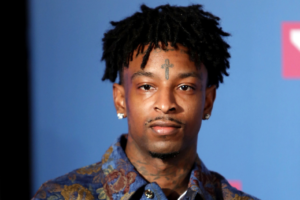
Katie Got Bandz on Sexyy Red Bringing Her Out in Chicago: A Story of Faith, Growth, and Full-Circle Legacy

katie

In hip-hop, reinvention isn’t optional — it’s survival. And few artists embody that truth like Katie Got Bandz, one of Chicago’s pioneering voices in the drill movement.

After years of silence, Katie has reemerged — not with a label deal, not with a viral gimmick, but with something far more powerful: clarity, faith, and purpose.

When Sexyy Red brought her out on stage in Chicago, it wasn’t just a surprise guest moment. It was a full-circle celebration — the new wave honoring the foundation that made it possible.


A Rebirth in Real Time

Katie Got Bandz has been through the highs and lows of fame. She first rose to prominence in the early 2010s as one of the first female voices in Chicago’s drill scene, earning respect in a genre dominated by men. Her street authenticity, sharp delivery, and unfiltered energy made her a local legend.

But behind the success, Katie faced the struggles that come with early fame — industry politics, personal battles, and self-discovery.

Now, she’s back with a renewed mindset. Her latest project, “Sorry for the Cake,” dropped with no promo, no team, and no label backing — just faith.

“I stepped out on faith. No team. No promo. Just me and God,” she said. “I fasted. I got baptized again. I been detoxing, in the gym, spending time by myself. It’s peaceful. I’m learning who I am again.”

This isn’t the same Katie that fans remember — it’s an evolved artist, one who’s reconnected with herself spiritually, mentally, and creatively.


From Chaos to Clarity

What’s striking about this new chapter is how self-aware she’s become. Katie speaks openly about her mistakes and the lessons that shaped her growth.

“I wish I had my own entertainment lawyer. I wish I let my mama help me more back then. I thought I knew everything,” she admits. “But when it got real — who had my back? My mama.”

That level of reflection is rare in a world that often glorifies chaos. But Katie’s story shows that redemption is possible — that it’s never too late to rewrite your narrative.

She’s not chasing trends or clout. She’s chasing peace and purpose, which might just be the most powerful comeback move of all.


The Full-Circle Moment — Sexyy Red’s Tribute

Halloween night in Chicago was one of those moments that remind fans what hip-hop is really about — connection and respect.

Sexyy Red, one of the hottest new names in rap, paused mid-performance to bring out Katie Got Bandz — the very artist who helped pave the way for women like her in drill music.

The crowd erupted. It wasn’t just excitement — it was recognition.

“She was performing in Chicago — I wasn’t even planning to perform,” Katie recalled. “They called me a few hours before the show. Luckily, my hair was done, my makeup was ready. And when I walked out that stage… it felt good. Cuz I influenced her too.”

That moment represented more than a co-sign — it was a bridge between generations. The student acknowledging the teacher. The past meeting the present.


Women Uplifting Women in Hip-Hop

For years, women in rap have battled not just for recognition but for space. The industry often pits them against each other — but this moment between Sexyy Red and Katie Got Bandz flipped that script.

It showed what happens when women uplift each other instead of compete, when respect outweighs rivalry, and when legacy meets loyalty.

Katie’s influence on the Chicago drill scene can’t be overstated — she opened doors for artists to be authentic, aggressive, and feminine all at once. Now, seeing her influence celebrated on a national stage proves that legends don’t fade — they evolve.

katie


The Mindset Shift

Katie’s transformation isn’t just musical; it’s personal. She’s talked about how she’s learned to treat her craft with discipline and dedication, approaching the studio like work — not a party.

“I’m more hungry right now. I eat a giraffe,” she joked. “I don’t care if it take a hundred takes — I’m locked in.”

It’s a hunger rooted in wisdom — the kind that comes after the storm. She’s sober, focused, and driven by faith.

“When you keep God first, everything else gonna follow,” she says. “I’m just staying ready now… so I don’t ever have to get ready.”


A Queen Reborn

What makes Katie Got Bandz’s return so special isn’t just the music — it’s the message. She represents resilience, reflection, and rebirth.

She’s a reminder that you can fall, heal, and still rise higher than before. That being underestimated can sometimes be your greatest blessing.

From drill to discipline, from chaos to clarity, Katie Got Bandz is redefining what strength looks like in hip-hop — and inspiring a new generation to do the same.


Conclusion

Katie’s journey proves that longevity in hip-hop isn’t just about hits — it’s about growth.

When Sexyy Red brought her out in Chicago, it wasn’t just a performance — it was a message. A salute to a pioneer. A reminder that real impact lasts forever.

With her renewed faith, sharpened focus, and fearless honesty, Katie Got Bandz isn’t just making a comeback — she’s leading a cultural rebirth.

And this time? She’s doing it her way.

👉 Stay connected for the latest hip hop and streaming news at The Urban Spotlight Homepage

👉 For more background on Floyd Mayweather’s career and empire, check out his Wikipedia page

25
westside

Westside Gunn Kicked Out of WWE Event for Ignoring Their Orders

westside

[Soft background music fades in — slow, dramatic piano keys over a steady, low beat.]

Hip-hop and wrestling have collided in wild ways before, but this one takes the cake. Westside Gunn, the Griselda legend, recently got kicked out of a WWE event, and the story is as much about culture as it is about rules, respect, and the intersection of music and media.

This isn’t just a headline. It’s a lesson in influence, intellectual property, and creative expression — all wrapped into one chaotic Monday Night Raw.


The Incident

Here’s the context: Westside Gunn has long incorporated wrestling imagery into his music — Jeff Hardy, classic WWE moments, and the over-the-top aesthetic that only someone fully immersed in both hip-hop and wrestling could pull off.

WWE, however, reportedly said, “Stop using our references,” and Gunn didn’t comply.

The result? Westside Gunn was escorted out of Monday Night Raw, losing a $5,000 front-row experience, including travel and hotels — all because he refused to erase the wrestling references from his art.

It’s a wild story, but it’s also a reminder of how big corporations enforce boundaries, even when cultural homage is involved.


Hip-Hop Meets Intellectual Property

Let’s break this down. Can a company really stop someone from referencing their content in music?

Technically, no. Hip-hop thrives on sampling, references, and flipping pre-existing media into new cultural statements. From Wu-Tang Clan sampling martial arts films to Griselda’s cinematic storytelling, this is the DNA of the genre.

Westside Gunn didn’t just copy WWE; he transformed it, merging it with his Griselda aesthetic to create something unique. The fact that WWE even noticed him? That’s proof he’s operating at a legendary level.


Respect and Cultural Homage

Gunn tried to handle it with respect. He didn’t want drama or conflict — he wanted to pay homage to something he’s loved since childhood. Fans remember his viral antics, like spending $50k on sweets at his own show. Gunn isn’t just spending money; he’s investing in culture.

And while WWE saw it as a liability, Gunn saw it as a cultural bridge, connecting hip-hop and wrestling in ways few artists attempt. He’s the curator of a cross-genre movement, keeping the icons alive in modern music.


Business vs. Culture

Business is business. WWE has to protect its brand, and corporations will flex when they feel someone is encroaching. But Gunn’s response? Entrepreneurial and strategic.

“If they don’t support me,” he said, “I’m gonna push my own company, Fourth Rope, and keep building culture on my terms.”

This mindset separates legends from the rest. Ice Cube faced similar pushback crossing corporate lines, and now Gunn is following the same path — blending artistry with business savvy while navigating institutional boundaries.


Loyalty and Long-Term Vision

Westside Gunn didn’t fold. He stayed loyal to wrestling culture, supported AEW, launched his own initiatives, and continued pushing the narrative of what it means to bridge hip-hop with wrestling.

Being kicked out doesn’t diminish him — it amplifies his relevance and impact. Every obstacle becomes a platform for innovation. Gunn is curating a culture where art, homage, and entrepreneurship intersect, and WWE noticing him is just another sign that he’s doing something right.

westside


Why This Matters

This isn’t just a story about getting kicked out of a live show. It’s about creativity meeting boundaries, culture colliding with corporate power, and an artist owning his lane despite pushback.

Westside Gunn reminds us that hip-hop isn’t just music — it’s storytelling, cultural preservation, and innovation. By referencing WWE, he’s keeping the history alive while giving fans something new to engage with.


Conclusion — Culture Always Wins

Westside Gunn may have lost his front-row spot, but he’s winning the larger game.

Hip-hop, wrestling, entrepreneurship, and culture aren’t mutually exclusive. Innovation draws attention — sometimes positive, sometimes messy — and Gunn proves that paying homage to what you love is worth the risk.

[Outro music fades in — mellow yet triumphant]
Host (closing tone): Westside Gunn got the boot, but the culture keeps moving. From the streets to the ring, from music to wrestling, true visionaries always find a way to make their mark. Stay creative, stay fearless, and keep building — the legends always rise.

👉 Stay connected for the latest hip hop and streaming news at The Urban Spotlight Homepage

👉 For more background on Floyd Mayweather’s career and empire, check out his Wikipedia page

28
adam22

Adam22 Covers 6ix9ine Reunion, NLE Choppa vs YoungBoy, Big U’s Son, and Blueface’s Release

adam22

[Soft background music fades in — low, pulsating bass over a slow, tense beat.]

Yo, what’s up, everybody? Adam22 is back, and today’s episode dives deep into the chaos, drama, and culture shaping the streets and social media. From Adam & 6ix9ine reuniting, to NLE Choppa clashing with YoungBoy, to Big U’s son tragically killed, and even Blueface stepping out on his first day free — the stories are wild, emotional, and everything in between.

For viewers, this isn’t just entertainment — it’s a window into modern urban life, celebrity culture, and street politics, all delivered unfiltered by one of hip-hop’s most iconic hosts.


The Energy in the Studio

Adam’s vibe this week? Unpredictable, electric, like a reversible basketball jersey — shifting between summer league casual and full-season intensity.

Joining him are regulars Lushuno, Munchie B, and Anne Hefe, who, let’s be honest, is more focused on the checks than anything else. But the energy is infectious. The banter mixes humor, tension, and insight — and the audience gets a real feel for how media, street culture, and celebrity collide.

The crew breaks down everything from serious news to offbeat moments. Classic Flaco makes a return update: 35–40 lbs lost, working out relentlessly, sipping Mountain Dew between sets, and pushing himself in full battle mode. It’s these personal journeys that humanize the wild world Adam covers.


Culture, Dating, and Social Shifts

Adam doesn’t stop at street drama — he digs into modern social culture.

The dating scene today? It’s a whole new world. Young men aren’t chasing women like the old days. Streams, ketamine, coding, video games — the energy is different. Women are claiming their space, making moves, and even OnlyFans post-high school has become a reality for some.

Nick Fuentes-style commentary aside, Adam points out the truth: leverage matters now, in dating and business alike. Respect and love still exist, but chemistry, intelligence, and connection often outweigh tradition. Interracial relationships, unconventional pairings, and unconventional paths? That’s all part of the evolution.


The Wild Side: Chaos on the Streets

And then, of course, there’s the chaos.

From Dodger parade incidents, freeway seizures, and raggly hospitals getting slammed by paramedics — Adam shows that life in the urban landscape is unpredictable, dangerous, and sometimes hilarious. These moments remind viewers that behind viral clips and headlines, reality is raw and unfiltered.

It’s this balance between the absurd and the serious that keeps the No Jumper Show relevant. Every story, every incident, reflects the tension between culture, survival, and entertainment.


Adam & 6ix9ine Reunite

Now to the headlines. Adam and 6ix9ine are back together, sparking immediate attention.

Their reunion isn’t just about music or media presence — it’s about collisions of street credibility, loyalty, and public perception. Fans reacted instantly on social media, flooding TikTok, Instagram, and X with clips, memes, and debates about whether this reunion signifies a realignment of energy in the hip-hop world.

This story exemplifies how celebrity dynamics and street politics are deeply intertwined, and Adam22 is perfectly positioned to document it.


NLE Choppa vs YoungBoy: Clash of Generations

Next up, NLE Choppa and YoungBoy — a feud that bridges generational energy, lyrical competition, and online influence.

Adam breaks down the origins, social media spikes, and cultural relevance of their tension. This isn’t just beef; it’s a reflection of how modern hip-hop fans engage with artists, from TikTok debates to meme culture. VladTV-style coverage merges with Adam22’s first-hand commentary, creating a narrative that’s part reporting, part storytelling.


Tragedy: Big U’s Son Killed

Amid the drama and entertainment, real-life tragedy strikes. Big U’s son was killed, a heartbreaking reminder of the costs and realities of street life. Adam handles it with the respect it deserves, balancing shock, grief, and reflection.

This moment contrasts sharply with the lighter topics, underscoring the spectrum of life Adam22 covers — from viral stunts to devastating real-world consequences.


Blueface’s First Day Free

And finally, Blueface stepping out of prison. Fans are watching closely: What’s his first move? How will he re-enter the culture, music, and streets? Adam22 captures the excitement, anticipation, and speculation surrounding Blueface’s freedom.

Social media erupted with support, curiosity, and memes. Adam notes the intense scrutiny every move faces, especially from a digital-first audience that’s invested in celebrity narratives and street authenticity alike.


Why No Jumper Stands Out

What makes No Jumper essential is its blend of street-level reporting, celebrity insight, and cultural analysis. Every episode navigates:

  • Viral internet culture

  • Real-world street dynamics

  • Music industry updates

  • Human stories of loss, triumph, and personal growth

Adam22 doesn’t just report the news — he interprets it, connecting audiences to stories in a way no other platform can.


Conclusion — Capturing the Pulse of Culture

From the reunion of Adam & 6ix9ine, to NLE Choppa vs YoungBoy, the tragedy of Big U’s son, and the return of Blueface, this episode is a masterclass in modern urban storytelling.

The streets, the screens, the culture, and the chaos all intersect on No Jumper, giving viewers a front-row seat to the stories that matter, the drama that captivates, and the raw humanity behind every headline.

Stay tuned. The stories don’t stop. The culture keeps evolving. And Adam22? He’s always at the center of it all.

[Outro music fades in — reflective yet upbeat]
Host (closing tone): From the streets to the screens, from personal stories to public chaos, this is the culture, the conversation, and the reality of our times. Stay ready — because next week? Who knows what’s coming.

👉 Stay connected for the latest hip hop and streaming news at The Urban Spotlight Homepage

👉 For more background on Floyd Mayweather’s career and empire, check out his Wikipedia page

28
joyner

VladTV Sues Joyner Lucas, Travis Scott & Pusha T Beef Escalates

vladtv

[Soft background music fades in — deep bass over a slow, tense beat.]

VladTV, one of the most influential platforms in hip-hop media, is back in the spotlight — and this time, the drama involves some of the biggest names in music: Joyner Lucas, Travis Scott, and Pusha T. Legal action, heated beefs, viral moments — the streets and social media are buzzing like never before.

For fans, this isn’t just news — it’s a cultural moment, a collision of street authenticity, celebrity power, and media mastery, all under one lens.


The Sway Factor — Legendary Media Presence

Before diving into lawsuits and beefs, let’s recognize one of hip-hop’s foundational media legends: Sway.

Sway isn’t just a podcaster. From MTV to the Wake Up Show, he’s built a reputation on preparation, authenticity, and an energy that commands respect. His intros are sharp and award-show-ready, yet somehow feel spontaneous. Few can match that combination of effortless charisma and strategic preparation.

Other personalities like Shannon Sharpe, Big Boy, and countless YouTubers have their own lanes. But Sway’s ability to prepare and deliver while staying genuine puts him on a tier that very few in media ever reach. It’s no wonder VladTV draws inspiration from his style — blending entertainment, insight, and street-level reporting seamlessly.


The Lawsuit and Escalating Beef

Now, let’s get into the heart of the story. VladTV has filed legal action — and it involves Joyner Lucas, Travis Scott, and Pusha T. While full court documents are still emerging, sources say it’s connected to alleged defamation, copyright disputes, and viral content disputes.

For the fans, the specifics may feel secondary. The spectacle, the personalities, and the escalating drama are what dominate social media feeds. Every clip, reaction, and headline spreads like wildfire, and VladTV is front and center capturing every moment.

This lawsuit isn’t just about paper and courtroom arguments — it’s about influence, reputation, and power in the hip-hop world. When you mix these personalities, the result is inevitable: viral chaos, fan debates, and endless discussion online.


Social Media Eruption — Fans Reacting in Real-Time

When the news dropped, social media exploded. Clips of VladTV coverage flooded TikTok, Instagram, X, and YouTube. Fans spamming emojis, speculating about who would win, and debating who “really got the upper hand” became instant viral content.

Memes, threads, and reaction videos added layers of humor, commentary, and tension. Some called it “the collab of chaos”, while others insisted it was proof that modern hip-hop cannot exist without online commentary and social media amplification.

Viral energy aside, VladTV ensures that fans get the full story, showing both the legal angles and the cultural implications. It’s a blend of journalism, entertainment, and street storytelling.


Celebrity Media Meets Street Culture

What makes VladTV unique is its ability to bridge celebrity culture with street authenticity.

Yes, it’s about lawsuits and legal drama. But it’s also about capturing the reactions, the feuds, the history, and the context behind each story. VladTV dives into:

  • Celebrity conflicts that started online or in interviews

  • Historical rivalries that inform current actions

  • The way hip-hop fans interpret these stories across generations

In this case, Joyner Lucas vs. Pusha T carries decades of lyrical competition and social media commentary. Adding Travis Scott to the mix escalates the stakes — because every action is analyzed, memed, and debated globally. VladTV doesn’t just report — it documents history in real-time.


The Role of Media Legends in Amplifying the Story

Figures like Sway, and personalities VladTV often references, amplify the reach and impact of these moments. Their interviews, analysis, and signature commentary give context to audiences that might not be immersed in street-level culture.

VladTV’s approach is about depth. Beyond the drama, it explores:

  • Why certain rivalries matter in hip-hop culture

  • How legal disputes intersect with personal history and public perception

  • The subtle layers of influence in rap beefs

This is why the VladTV platform continues to dominate: it combines raw entertainment, cultural insight, and viral moments into one package.


Athleticism, Celebrity Culture, and Human Stories

The platform also pulls in other elements of contemporary culture. Whether it’s athletes enhancing performance, viral street moments, or personal stories of struggle and recovery, VladTV covers it all.

For example:

  • Professional athletes are optimizing performance with supplements, training, and recovery techniques

  • Social media posts capture unexpected chaos, from minor disputes to viral videos of everyday life

  • Human stories, like surgeries, injuries, and life hacks, connect audiences to celebrities on a personal level

These narratives make VladTV more than just a gossip outlet — it’s a hub for entertainment, insight, and culture.


The Cultural Significance of Viral Moments

Viral moments, especially when involving stars like Joyner Lucas, Travis Scott, and Pusha T, are more than just entertainment. They shape public perception, influence streaming numbers, and impact brand deals.

VladTV’s coverage ensures that fans understand:

  • Who holds influence in hip-hop culture

  • How the streets view celebrity disputes

  • The ways viral content can affect reputation and legacy

From humorous memes to serious debates, every moment is an essential thread in the larger tapestry of hip-hop culture.


Why VladTV Remains a Cultural Authority

What separates VladTV from other media outlets is its authenticity and range.

From legal battles to celebrity drama, from viral street chaos to human-interest stories, VladTV documents the real spectrum of urban life. It doesn’t just report — it interprets, contextualizes, and humanizes.

Fans return for this raw, unfiltered approach, trusting that VladTV gives them both the story and the culture behind it.


Conclusion — The Legacy Continues

The lawsuit and beef involving Joyner Lucas, Travis Scott, and Pusha T is a reminder: hip-hop culture is dynamic, unpredictable, and larger than life. VladTV captures it all — from legal proceedings to viral moments, from media legends like Sway to fans debating in real-time.

This isn’t just reporting — it’s a historical archive of culture, power, and entertainment.

And for anyone watching: stay tuned. VladTV continues to push boundaries, expose truths, and deliver the stories the world can’t stop talking about.

The streets are watching. Fans are watching. And VladTV? It’s standing at the center of it all.

👉 Stay connected for the latest hip hop and streaming news at The Urban Spotlight Homepage

👉 For more background on Floyd Mayweather’s career and empire, check out his Wikipedia page

29
jreal

JReal Da Realest – From the Hoover Streets to Healing

jreal

[Soft background music fades in — slow piano keys over a low, steady beat.]

In South Central Los Angeles, some names echo in the streets. Others echo in survival stories.
And for JReal Da Realest, his name carries both — a reflection of struggle, endurance, and ultimately, transformation.

This is more than a story of music. It’s a story of pain, perseverance, and purpose.


A Childhood Marked by Absence

Born into chaos, JReal’s early life was far from ordinary.
A mother who left him when he was just three months old.
A father consumed by alcoholism, absent and unreliable.
And a baby left on a neighbor’s doorstep — literally.

Miss Barbara, a kind soul, took him in.
Not out of duty, but out of love.
She didn’t know that this baby — small, vulnerable, and alone — would one day turn that early loss into poetry, art, and survival.

But life didn’t pause for music or purpose.
Before he ever stepped into a studio, JReal was navigating a system stacked against him.
Foster homes. Group homes. Shifting neighborhoods.
Englewood. Crenshaw. San Bernardino. South Central.

He never had a place to call his own.
He learned early that survival was a full-time job.


The Streets Become a Classroom

By the mid-90s, the streets around 51st and 52nd Louis H Street became JReal’s real education.
He didn’t choose the Hoover set because of clout or protection.
It was simply where he was — and in that world, he had to live by its rules.

Violence came early.
Respect, he thought, could only be earned in blood.

At sixteen, JReal got shot five times.

“I thought if I died, they’d finally respect me. But all I got was a .357 to the stomach.”

That was his first hard lesson: the validation he craved was the same thing trying to destroy him.


The Long Shadow of Silence

Pain didn’t just come from guns or gang codes.
It came from absence. From questions that had no answers.

Years later, as a man and father, JReal searched for the one person who could explain why.
Why did his mother leave?
Why had no one come for him?

It cost him $27 on an old “find people” website — and it changed everything.

When he found her, he didn’t approach with anger.
He approached with forgiveness.

“I told her, I forgive you. Because if I don’t fix this, my daughter will inherit the same pain I’ve been carrying.”

And that’s what true growth looks like — release over revenge, love over resentment.

Over the next decade, he rebuilt a bond with his mother.
They cried, prayed, and tried to fill twenty years of silence with ten years of love.
And even after she passed, the mission remained alive — carried in his art, in his lyrics, and in his example.


From the 50s to the World Stage

Today, JReal Da Realest is more than a rapper. He’s a storyteller, a man who’s lived every line he spits.

He’s collaborated with legends like Schoolboy Q and Nocturnal.
He’s recorded tracks in South London, Poland, and South Africa.

His music isn’t just sound — it’s legacy, survival, and truth packed into verses.

Behind every bar lies a boy once lost, a man who learned to forgive, and a father determined to break cycles of trauma.

jreal


Lessons From the Streets

When JReal speaks of the streets, it’s not glorification — it’s warning.
He knows the fire first-hand, the price of chasing respect through violence.

“You can’t lead a family if you can’t lead yourself out your own problems.”

His words are hard-earned wisdom, born from scars and choices that could have ended him.

It’s this honesty, this transparency, that makes JReal essential today.
In a world where pain often overshadows purpose, he shows both can coexist — that healing and hustle can live in the same body.


Redemption, Forgiveness, and Legacy

JReal’s story is proof:
Your past doesn’t define you.
The streets don’t have to own you.
And broken beginnings can still lead to meaningful endings.

He survived foster homes, gang violence, abandonment, and loss.
He transformed that trauma into a message that resonates beyond LA streets, beyond music, beyond fame.

Every verse, every beat, every stage is a reclamation of life — and a reminder that resilience wins.


In the end, JReal Da Realest isn’t just surviving. He’s thriving.
He’s a father, a son, an artist, and a living testament to what happens when pain meets purpose.
And for anyone listening, watching, or reading:
Your story isn’t over. You can rise. You can forgive. You can heal.

👉 Stay connected for the latest hip hop and streaming news at The Urban Spotlight Homepage


30
baton

The Hoovers Ain’t Gone Touch Boosie — Street Politics, Baton Rouge Loyalty, and Federal Reality

baton


In the world of street politics — where loyalty, history, and reputation collide — few names stir up as much conversation as Boosie BadAzz.
He’s not just a rapper. He’s a symbol.
A walking example of survival, independence, and the unfiltered reality of the South.

But this time, it’s not about a diss track or a viral live session.
It’s about a claim — a street-level rumor that Boosie owes $52,000 to the Hoovers out of Los Angeles.
And stepping into the center of that storm is Sherwood Lamar, better known online as Uncle Bang — a Baton Rouge OG with deep roots, sharp words, and an unshakable code.


“Welcome to the Bang Section”

Uncle Bang opens his latest segment with that trademark calm energy that hits like slow fire:

“Welcome to the Bang Section. You rockin’ with your host — Uncle Bang.
Out with the old, in with the new. I’ma keep it real today.”

You can tell from his tone — this one’s personal.
Because Boosie isn’t just another rapper to him. He’s family, even through the fallout.

Bang says it plainly:

“Once a friend, always a friend. Even if we don’t rock no more, I ain’t tryna hurt you… unless you try to hurt me.”

That right there? That’s Baton Rouge loyalty.
A different kind of street code — one built on pride, respect, and unspoken rules that outsiders rarely understand.


The Rumor and the Reality

The internet loves to stir the pot — and this time, the pot was boiling.
According to chatter, Boosie supposedly owed an OG Hoover named Gumby about fifty-two thousand dollars over a canceled show and messy business dealings.

But Uncle Bang? He cuts through the noise:

“They say Boosie was supposed to perform, and behind the scenes, some things got messy. Now they say he owe money.”

Then he drops the first reality check:

“Boosie ain’t no gang dude. We ain’t have gangs in Baton Rouge growin’ up. That’s not our cloth. He ain’t built off that.”

And that’s real talk. Baton Rouge never had the gang infrastructure that places like L.A. or Chicago did. Their politics weren’t about colors — they were about blocks, family, and pride.


Respect, Not Fear

Then the energy shifts.
Uncle Bang turns his message directly toward OG Gumby — not with disrespect, but with measured acknowledgment.

“I don’t know you, OG. I don’t go against gangs. I don’t go with ‘em either. But I know what y’all about. I heard you like that.”

That right there is what separates real OGs from internet talkers — respect without submission.
Bang understands the Hoover reputation. But he also understands something even deeper — federal politics.

And then he says the line that had the entire street world talking:

“The feds ain’t run by the Crips, homie. The feds run by the Louisiana car… and the DC car.”

To the average listener, that might sound cryptic.
But inside the prison hierarchy, those words carry weight.

The Louisiana car is unity — men from the same state sticking together behind bars, no matter what city or affiliation they came from.

So when Bang says,

“Ain’t nobody touching Boosie in the feds. Louisiana gon’ stand behind him. That’s a reflection on all of us.”

That’s not ego.
That’s federal fact.


Brotherhood and Contradiction

What makes Uncle Bang’s message so powerful is the duality in it.
He admits his own flaws — his frustration, his disagreements, even his public criticism of Boosie.

“I said some bad stuff about Boosie before… but that’s me. I can say that. You can’t.”

That’s real brotherhood — the kind that comes with both love and conflict.
You can check your own, but outsiders? Stay out of it.

It’s complicated. It’s emotional. It’s human.
The same man who says “Still f**k Boosie” in anger also says “Still free Boosie” in the same breath.

Because deep down, he respects what Boosie represents — not just the artist, but the man from Baton Rouge who made it out and never forgot where he came from.

“Boosie ain’t perfect. He do some wild stuff. But he take care of them kids. He a legend from our state.”


Beyond Money — It’s About Message

When the conversation circles back to that supposed $52,000, Uncle Bang doesn’t hesitate:

“Should Boosie pay that? Nah. We don’t stand down in Baton Rouge.”

He laughs — but there’s no joke in his voice.
This isn’t about dollars. It’s about dignity.

Because for Baton Rouge, it’s not just a financial dispute.
It’s a statement of identity — that their people don’t fold to outside pressure, especially from someone claiming street authority outside their territory.

“This ain’t about who tougher. It’s about who solid.”

baton


The Warning — and the Wisdom

As the clip goes on, the tone shifts again.
The laughter fades.
Uncle Bang gets serious — almost prophetic.

“The Louisiana car not gonna let y’all touch Boosie. Believe that.
And if I hear different — I’ll make some calls.”

He’s retired from the streets now, but still close enough to feel the pulse.
Still connected enough to know what’s happening before it hits social media.

“I’m like a fire hydrant — close enough to see it all.”

That one line says it all.
He’s watching.
The city’s watching.
And everyone knows the code.


Respect Over Everything

In the world of street loyalty and federal lines, money comes and goes — but respect is the only real currency that lasts.

Uncle Bang may not agree with every move Boosie makes, but he’ll always defend his name when outsiders start talking reckless.

Because in the South — especially in Baton Rouge — loyalty runs deeper than logic.

So when Uncle Bang says,

“The Hoovers ain’t gone touch Boosie,”

it’s not just a threat.
It’s a statement of pride, backed by unity, respect, and decades of street history.

Boosie might be controversial. He might be outspoken.
But one thing’s for sure — in the world that built him,
he’s protected, respected, and untouchable.

👉 Stay connected for the latest hip hop and streaming news at The Urban Spotlight Homepage

👉 For more background on Floyd Mayweather’s career and empire, check out his Wikipedia page

26
wes

Fitness Influencer Wes Watson Tells His Life Story: From Prison to Purpose

wes

Every now and then, a story comes along that sounds like a movie — raw, wild, and almost too powerful to be true.
But this one? This one is true.

Today, we’re talking about Wes Watson — a man who went from running the streets of California as a teenage drug dealer… to serving 10 years behind bars, to becoming one of the most intense, disciplined, and inspiring fitness influencers in the world.

This is not just a story of transformation — it’s a story of redemption, mindset, and the power of taking complete control over your life.


Early Days: The Hustler Mindset

Wes grew up in Oceanside, California — a city where sunshine met street chaos. Behind the palm trees and beach parties was a darker rhythm — fast life, fast money, and faster consequences.

In the ‘90s, Southern California’s youth culture was wild. People partied hard — weed, alcohol, coke, pills — anything to keep the night alive. By age 11, Wes had already tried weed. By 14, he was hanging around older hustlers and dealers.

He didn’t want to be broke.
He didn’t want to be normal.
He wanted more.

And he had a hustler’s mind early. As Wes would later say:

“If you’ve got an expense — turn it into income.”

What started as selling small amounts of weed just to smoke for free quickly became something much bigger. By high school, Wes was moving serious weight. Pulling into the school parking lot in an Escalade on 23s, smoke in the air, strap on his lap — Wes wasn’t living like a teenager. He was living like a king.

Two cars. Stacks of cash. Street reputation.
He thought he had it all figured out.

But fast money burns fast too.


The Fall: From Fast Life to Rock Bottom

As his business grew, so did the stakes. He started moving hundreds of pounds at a time — getting fronted supply from Canada, flipping it fast, and living large.

But when you play in the big leagues, mistakes carry real consequences. The lifestyle got darker. The drugs that he sold started taking control of him. Weed turned into meth, pills, and harder substances.

Addiction doesn’t ask permission. It takes everything.

By his mid-twenties, Wes was lost — consumed by ego, greed, and self-destruction. Then came the breaking point. A deal went wrong. Someone owed him money — a lot of it. The situation turned violent.

Months later, U.S. Marshals showed up at his door.

And just like that — everything changed.

wes


Ten Years Behind Bars

Wes Watson was sentenced to ten years in a California state penitentiary.

Ten years — not just of punishment, but of transformation.

Inside those walls, Wes hit rock bottom. But instead of letting it destroy him, he used it as his foundation.

He made a decision — no more excuses.
He woke up every day before sunrise. He trained relentlessly.
He read books, studied philosophy, and rewired his mindset.

Wes used prison like a classroom — for discipline, structure, and self-mastery.

He stopped blaming the world. He took responsibility for everything.
And from that, he built a new man — mentally, physically, and spiritually unbreakable.


The Rebirth: From Cell to Success

When Wes finally walked out those prison gates, he didn’t walk out the same man who went in.

He walked out with a mission.

Fast forward to today — Wes Watson is a multi-millionaire fitness coach, author, speaker, and mindset mentor. His brand, GP Penitentiary Life, has inspired millions across YouTube, Instagram, and podcasts around the world.

His message is raw, unapologetic, and powerful:

“Discipline equals freedom.”
“Comfort is the enemy.”
“Every choice you make builds or breaks you.”

He doesn’t sugarcoat. He doesn’t play victim. He teaches people that the same energy that can destroy you — can also rebuild you, if you harness it.

From prison cells to penthouses.
From addiction to purpose.
From chaos to clarity.

Wes Watson’s story proves that your past doesn’t define you — your choices do.


The Message: Turn Pain into Power

At its core, Wes’s journey is about transformation — not of muscle, but of mindset.

He shows that no matter where you come from or how dark your story gets, you can rewrite it. The same discipline that got him through solitary confinement is the same discipline that builds his success today.

He’s living proof that rock bottom can become the solid ground you rebuild your life on.

“It’s not about what happens to you,” Wes says.
“It’s about what you do next.”

So if you’re reading this — feeling stuck, lost, or broken — remember:
Your lowest point could be the start of your greatest comeback.

All it takes is one decision.
To rise.
To change.
To never quit.

👉 Stay connected for the latest hip hop and streaming news at The Urban Spotlight Homepage

👉 For more background on Floyd Mayweather’s career and empire, check out his Wikipedia page

30
max

How Max B Survived 16 Years on Murder Charges Without Snitching

max

The streets are buzzing — Max B is back. After 16 years behind bars, the Silver Surfer of Harlem has finally walked out, and the story behind his incarceration is one for the history books. This isn’t just a tale of time served; it’s a story of loyalty, resilience, strategic thinking, and survival in the cutthroat world of hip-hop and street life.


The Rise of the Silver Surfer

Back in the mid-2000s, Max B — born Charly Wingate — was steadily building his movement: The Wave. His music, style, and persona began resonating with fans, especially in New York. Max B wasn’t just another rapper; he was a visionary, influencing the next generation with his unique “wavy” sound that blended melodic flows, hooks, and street authenticity.

By 2006, Max B’s star was rising fast. The Wave movement wasn’t just music — it was a culture, a lifestyle, and a philosophy. Fans embraced it, and the streets recognized him as someone to watch. But as success grew, so did exposure to the risks of street life.


The Incident That Changed Everything

Everything took a turn during a robbery at a Holiday Inn in Fort Lee, New Jersey. A shooting occurred, and Max B — although he did not pull the trigger — found himself charged with murder. The streets that once celebrated him suddenly watched as the law closed in.

What made this case particularly notorious? Max B refused to snitch. Despite the pressure, potential deals, and threats, he stayed true to his principles. That loyalty to the streets, even under extreme legal pressure, elevated him to legendary status.


Life Behind Bars: The Wave Didn’t Stop

Many would have given up, but Max B had a plan. Prison didn’t silence him. He kept releasing music, dropping mixtapes like Public Domain, Million-Dollar Baby Radio, and Public Domain 2: Rise of the Silver Surfer, keeping the Wave alive and proving that physical confinement couldn’t hold back creativity or influence.

Even behind bars, his music resonated. Max B’s signature melodic flow influenced younger artists — many of whom credit him for shaping modern trap and melodic rap sounds. While most would crumble under such pressure, Max stayed loyal, stayed creative, and maintained his reputation.

max


Drama and Disputes: The Jim Jones Chapter

While incarcerated, Max B faced additional challenges, particularly disputes over credit and respect. Notably, he had a long-standing beef with Jim Jones, claiming he wrote verses for hits like We Fly High but received little recognition.

Despite the tension, Max B never publicly snitched or sold out anyone — another testament to his integrity. While many artists in his position might have sought revenge or leverage to reduce time served, he let his work and legacy speak for him.


The Legal Battles and Strategic Moves

Max B’s release was not simple. Years of appeals, legal battles, and navigating complex court systems finally culminated in a breakthrough: a conflict of interest in his original case opened the door to a plea deal.

After 16 years of perseverance, Max B’s name, reputation, and unwavering loyalty finally aligned with a second chance at life and freedom.

Social media went wild. Harlem celebrated. Fans across the globe expressed their excitement. For those who followed the Wave from the beginning, it was a moment of vindication, a celebration of integrity prevailing against a system designed to break you.


Max B’s Legacy and Influence

Max B isn’t just a rapper who survived prison; he is a cultural force. His influence on modern melodic rap, trap, and internet-era hip-hop is undeniable. Artists like French Montana, A Boogie, and many others have openly credited him for shaping the sound that dominates streaming platforms today.

Now that he’s free, the potential for collaborations is immense. Could we see him team up with legends like Nas, Jay-Z, or 2 Chainz? Could he revive Wave in New York’s rap scene, which has evolved dramatically since his incarceration? With Max B’s strategic mindset, street credibility, and music acumen, anything is possible.


The Cultural Impact of Max B’s Journey

Max B’s story is more than music or crime. It’s a lesson in resilience, loyalty, and maintaining integrity under pressure. While many fold under legal battles and street life, Max B’s legacy survived 16 years in prison without ever snitching. That kind of loyalty and vision is rare — and it cemented him as a true icon in hip-hop culture.

His release isn’t just a homecoming; it’s a cultural moment. Fans and artists alike recognize that Max B’s return marks a new era for the Wave movement. Social media exploded with celebratory posts, viral clips, and tributes to his perseverance. For many, it’s a reminder that true talent, loyalty, and resilience will always outlast temporary setbacks.


The Future for the Silver Surfer

With freedom in hand, Max B is poised to reclaim his life, music, and movement. He has the credibility, the experience, and the strategic mind to make power moves in the music industry that others can only dream of.

Freedom isn’t just stepping out of prison — it’s stepping back into life on your own terms. And Max B? He’s about to make waves nobody saw coming.

Harlem celebrates. The streets are watching. And for the Wave? The best is yet to come.

👉 Stay connected for the latest hip hop and streaming news at The Urban Spotlight Homepage

👉 For more background on Floyd Mayweather’s career and empire, check out his Wikipedia page

26
6ix9ine

Adam Asks 6ix9ine Why He Joined the Bloods in 2017

When it comes to stories where street life meets hip-hop, few are as infamous — or misunderstood — as 6ix9ine’s connection to the Nine Trey Bloods in 2017.

In a recent sit-down with Adam22, the rapper finally opened up about how it all went down — and the story is more complicated than most headlines suggest. It’s not just clout or tough-guy image; it’s about family, survival, and the chaos of the streets.


The Summer of 2017: Stress, Family, and Career Pressure

The summer of 2017 was a high-pressure moment for 6ix9ine. His mother was sick, his personal life was in turmoil, and his music career was at a crossroads.

Feeling desperate, he reached out to Solomon Sounds on Instagram, hoping to get a second chance in the industry. Solomon responded immediately:

“Yo, meet me at Starbucks in Soho right now.”

6ix9ine left Belleview Hospital, where his mom was receiving care, and walked roughly 40 blocks to Soho, navigating the city streets with Tribe, Drew, and Linda by his side. Imagine juggling family stress, career anxiety, and walking through Manhattan — all in one day.

That moment set the stage for what was about to come.


The Introduction to Chris Heigore and Management Deals

Once at Starbucks, Solomon’s best friend, Chris Heigore, stepped in. He took 6ix9ine’s number, talked business, and signed him to a management deal. Suddenly, 6ix9ine’s music grind had structure — studio sessions, video shoots, and networking.

Every studio session booked by Chris had Seiko Billy present. On the first day of the “Gumbo” video shoot, Seiko Billy introduced 6ix9ine to Shotti, a Nine Trey Bloods member. That was 6ix9ine’s first real gang connection.

But 6ix9ine stresses something critical: being around gang members didn’t automatically make him “tough.”


The Risk Factor: Life in the Streets vs. Safety

Adam asked the question everyone wanted answered:

“Did you know what you were getting into?”

6ix9ine admitted that he did — but he also explained the mindset. He could have stayed safe, invested in full-time security, or avoided the streets entirely. But that would have been boring to him. He thrived on movement, energy, and the adrenaline of street life.

“If I had played it safe, I wouldn’t be the 6ix9ine you know today,” he said.

This wasn’t about clout or image. It was about testing himself, staying active, and moving in a world where danger was part of the deal.


The Struggles Behind the Gang Life

6ix9ine also painted a reality check: most gang members aren’t living luxurious lifestyles. Many were sleeping on rugs, struggling to survive, and barely making ends meet.

“Being in a gang doesn’t make you rich or untouchable,” he said.

It’s the connections and momentum — the network, reputation, and access to opportunity — that pull people in. And for a young rapper trying to break into the industry, that network can sometimes be the difference between obscurity and fame.


The Cost of Being Involved

He was transparent about the risks: being connected to the Nine Trey Bloods brought legal trouble, close calls, and heightened attention from law enforcement. It wasn’t glamorous — it was survival in high-stakes conditions.

For fans watching, this conversation offered a rare behind-the-scenes look into why 6ix9ine made the choices he did. It wasn’t about flexing or “looking scary.” It was opportunity, risk, and navigating the streets while chasing music dreams.

Adam and 6ix9ine both emphasized the takeaway: joining a gang is complicated, dangerous, and far from a shortcut to respect. It’s a gamble — one that can shape your life forever.


Family and Loyalty in the Mix

6ix9ine also spoke about family loyalty, saying his choices were influenced by his mom’s health and the desire to provide for her. Every decision — from walking through the city to getting into studio sessions with gang-affiliated associates — was weighed against personal stakes.

“I had to move fast, do my thing, and keep my family in mind,” he said.

This context makes the story more human than headlines often portray. It’s not just about street cred or violence; it’s about a young man juggling music ambitions with personal responsibility under pressure.


Conclusion: Survival, Streets, and Music

The story of 6ix9ine and the Nine Trey Bloods in 2017 is a cautionary tale and a history lesson rolled into one. From family pressure to street connections, from studio deals to risky associations, it’s a chapter that shaped the rapper we know today.

Adam and 6ix9ine’s conversation shows that behind every viral story is a human reality — choices made under pressure, calculated risks, and the constant tension between survival and ambition.

For fans and followers of hip-hop culture, it’s a reminder that street stories often have layers most people never see, and that even the wildest headlines often start with very human motivations.

👉 Stay connected for the latest hip hop and streaming news at The Urban Spotlight Homepage

👉 For more background on Floyd Mayweather’s career and empire, check out his Wikipedia page

25
vlad

Adam Breaks Down Why Cowboy Knocked Out Lil Wicked from 60s

Adam Breaks Down Why Cowboy Knocked Out Lil Wicked from 60s

When real-life street tension collides with internet virality, you already know — Los Angeles takes center stage.
And this time, it’s all about Cowboy and Lil Wicked from the 60s, with Adam22 breaking it down in pure No Jumper fashion: unfiltered, entertaining, and just chaotic enough to trend.


The Knockout That Shook the Timeline

It started with a simple clip — Cowboy standing by what looked like a Brinks truck, face-to-face with a younger dude, Lil Wicked.

Seconds later — boom. Cowboy swung, and Lil Wicked hit the pavement.

Within minutes, the video was everywhere. TikTok. Twitter. YouTube. You name it.
Comments poured in faster than punches, and social media turned the clip into instant meme fuel.

But before diving into the chaos, you have to understand the backstory — because this moment didn’t come out of nowhere.


Cowboy, Adam22, and a Complicated History

Cowboy isn’t a stranger to the No Jumper universe.
He’d sat down with Adam22 years ago in a powerful interview that moved both fans and Adam himself. The two shared mutual respect — until things took a turn.

That turn came when Adam started working more closely with Brick Baby, another LA figure with deep ties to the same neighborhood politics.
Now, Brick Baby and Cowboy? They haven’t seen eye to eye since Cowboy took the stand in the Nipsey Hussle trial — a move that divided opinions across the city.

So when Adam invited Brick Baby onto No Jumper, Cowboy saw it as a betrayal.
The tension’s been simmering ever since.

Fast forward to today, and Cowboy’s name is back in headlines — this time not for an interview, but for a knockout seen around the world.


Adam’s Play-by-Play Breakdown

On his live stream, Adam22 wasted no time replaying the viral footage — frame by frame, angle by angle.
In typical Adam fashion, he gave a full sports-commentary-style breakdown, mixing sharp wit with social media humor.

“The fit? Crazy,” Adam joked. “The jeans? Too tight. The whole outfit? Giving SDJ.”

The No Jumper chat was in hysterics, spamming laughing emojis and memes while Adam kept rewinding the hit like it was a highlight reel on ESPN.

But beneath all the jokes, Adam acknowledged the deeper layers of the moment — that this wasn’t just a random scuffle, but another entry in LA’s long-running story of respect, pride, and old-school code.


The Real Story Behind the Punch

According to reports and street talk, Lil Wicked had been throwing shade at Cowboy online — claiming his name wasn’t “good in the 60s” anymore.
He was trying to test a veteran’s reputation, maybe chasing some clout.

But when they crossed paths in person, Cowboy made sure that “test” ended fast.
One swing — and Lil Wicked was out cold.

It was quick, brutal, and — thanks to the cameras — immortalized forever.

adam22


The Internet Turns It Into a Moment

Of course, once the clip hit the web, it became a full-blown circus.
Slow-mo edits, anime sound effects, dramatic replays — the internet did what it always does: turn violence into viral content.

Some fans called it “the real-life Boondocks moment,” referencing the way Cowboy’s punch froze Lil Wicked mid-motion like a cartoon scene.
Even Adam couldn’t hold back laughter, saying it looked straight out of an animated skit.

But behind the humor was irony — Cowboy’s been here before.


Cowboy’s Ongoing Reputation

Not long ago, another viral story surfaced about Cowboy allegedly catching Loose Cannon Lackin’ before federal agents got involved.
And now, fans online are joking that Cowboy’s stacking a “highlight reel” — another addition to his growing legacy of street confrontations caught on camera.

The difference this time? Adam’s platform amplified it even more.

As soon as the clip dropped, No Jumper’s audience dissected it like detectives — breaking down body language, street politics, and even outfit choices.

By the end of Adam’s stream, the comments were divided:
Some praised Cowboy for defending his name.
Others said he was too old to be fighting in parking lots.
And a few just thanked Adam for turning a tense situation into top-tier internet comedy.


From the Streets to the Stream

What makes this moment deeper than just a knockout is how fast street reality turns into digital entertainment.
Every punch becomes a viral clip.
Every beef becomes a content opportunity.

And sitting right at the crossroads is Adam22 — the cultural commentator who’s turned chaos into content gold.

As one fan commented during the live stream:

“Only Adam can make a street fight sound like a Pay-Per-View event.”

And it’s true. This is the new media era — where neighborhood beefs hit the trending page before the dust even settles.


Conclusion

Cowboy’s knockout reminded everyone that the OGs still have hands — and that respect in LA still carries weight.
But Adam’s reaction proved something even bigger: in 2025, nothing stays in the streets once the cameras are rolling.

Between the laughs, the lessons, and the viral moments, this story isn’t just about one punch — it’s about how quickly real life turns into content in the digital age.

Because when the internet’s watching, every move gets replayed.

Stay connected for the latest hip hop and streaming news at The Urban Spotlight Homepage

For more background on Floyd Mayweather’s career and empire, check out his Wikipedia page

Nike Air Max Dn8 – Affiliate Link
25

DON’T MISS A BEAT

Be the first to know when our Urban Hotties is released.

We don’t spam! Read our privacy policy for more info.

© Copyright – 2021 The Urban Spotlight –  All Rights Reserved. Privacy Policy   Terms of Service | Find us On