
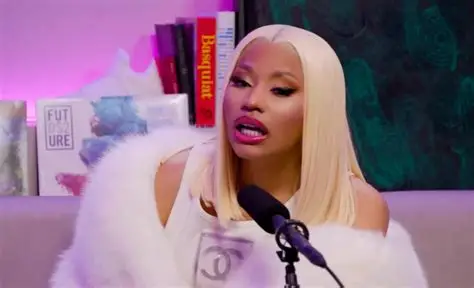
Nicki Minaj’s Grammy History Triggers Explosive Ritual Allegations
/0 Comments/in Blog /by Sourabh SolankiFew artists in modern music can ignite conversation as instantly — or as intensely — as Nicki Minaj. When Nicki speaks, the internet listens, dissects, debates, and often divides itself in the process. That reality was on full display once again after recent comments about the Grammy Awards resurfaced long-standing frustrations and ignited a wave of online speculation, including controversial claims hinting at hidden rituals and secret practices within the awards institution.
What began as commentary about recognition and history quickly expanded into a cultural clash that now stretches far beyond music. Supporters say Nicki is speaking her truth after years of being overlooked. Critics argue the conversation has veered into reckless speculation. Either way, award season has once again become a battleground — and the discourse refuses to fade.
Nicki and the Grammys: A Complicated, Emotional History
To understand why this moment exploded the way it did, you have to understand Nicki Minaj’s history with the Grammys. From the beginning of her career, Nicki has been a dominant force in hip-hop and pop culture. Her influence reshaped female rap, expanded mainstream expectations, and created a blueprint countless artists followed.
Yet despite chart dominance, cultural impact, and record-breaking success, many fans believe Nicki’s Grammy recognition has never matched her influence. Over the years, snubs, losses, and controversial category placements have fueled resentment — not just from Nicki herself, but from a fanbase that sees her as foundational to modern music.
Every Grammy season reopens those wounds.
So when nicki revisited her Grammy history publicly, it wasn’t a new complaint — it was a familiar frustration resurfacing in a moment already charged with emotion.
The Comments That Reignited the Firestorm
Nicki’s recent remarks didn’t come in the form of a long speech or official statement. They came as commentary — reflective, pointed, and open to interpretation. That ambiguity is exactly what allowed the internet to take the conversation in unexpected directions.
Almost immediately, fans began analyzing her words, searching for deeper meaning. Some interpreted her comments as frustration with the voting process. Others saw them as a broader critique of the music industry’s power structures.
Then came the shift.
Online speculation began framing Nicki’s frustration through a darker lens — one that suggested hidden rituals, secret gatekeeping, and unseen forces influencing Grammy outcomes. While nicki herself did not explicitly claim the existence of rituals, the idea took on a life of its own through social media interpretation.
And once that door opened, it couldn’t be closed.
How “Ritual” Allegations Took Over the Narrative
It’s important to be clear: the ritual allegations are online speculation, not proven facts. They grew organically through fan interpretation, conspiracy-minded commentary, and long-standing distrust of major institutions.
Why did these ideas spread so fast?
Because award shows already face skepticism. Over the years, the Grammys have been criticized for lack of transparency, inconsistent voting, genre bias, and perceived favoritism. Each controversy chips away at trust, making audiences more receptive to alternative explanations — even extreme ones.
Nicki’s comments landed in that climate.
The word ritual became shorthand for something larger: power, control, and exclusion. Whether people believed it literally or symbolically, the term captured frustration with systems that feel opaque and unaccountable.
Supporters: “Nicki Is Finally Saying What Others Won’t”
For Nicki’s supporters, the reaction was immediate and fierce. They argued that her words reflect years of being dismissed despite undeniable influence. To them, the ritual conversation isn’t about ceremonies or secret rooms — it’s about systemic bias and unspoken rules that determine who gets rewarded.
Many fans pointed out:
-
Nicki’s impact on female rap is undeniable
-
Her commercial success rivals Grammy favorites
-
Recognition hasn’t matched influence
In that context, supporters say nicki questioning the system isn’t reckless — it’s overdue.
They view her comments as a challenge to an institution that often lags behind culture rather than reflecting it.
Critics Push Back: “This Is Reckless Speculation”
On the other side, critics expressed concern that the conversation crossed a line. While many agree the Grammys deserve criticism, they argue that framing frustration through ritual language fuels misinformation and distracts from legitimate critiques.
Their concern isn’t about defending the Grammys — it’s about keeping discourse grounded.
Critics argue:
-
Award processes can be flawed without being conspiratorial
-
Vague statements invite dangerous interpretations
-
Structural bias deserves discussion without sensationalism
To them, the ritual narrative overshadows real conversations about reform, transparency, and representation.
Why These Allegations Keep Resurfacing Every Year
This isn’t the first time ritual-like language has appeared around award shows. Similar claims surface almost every year, especially when beloved artists are snubbed.
Why?
Because awards symbolize validation.
When fans feel their favorite artists are ignored, they search for explanations. Sometimes those explanations are institutional. Sometimes they’re emotional. And sometimes, they become conspiratorial.
Nicki’s influence magnifies this effect. When nicki speaks, millions listen — and millions interpret.
The Grammys as a Symbol, Not Just a Show
At this point, the Grammys represent more than trophies. They symbolize:
-
Industry approval
-
Cultural legitimacy
-
Historical record
When artists like nicki feel excluded from that record, the frustration isn’t just personal — it’s cultural. Fans don’t just want awards; they want acknowledgment of impact.
That’s why Grammy discourse always escalates. It’s never just about music.
Social Media: Where Interpretation Becomes Reality
Social media accelerated this controversy at lightning speed. Short clips, screenshots, reaction videos, and threads transformed nuanced commentary into simplified narratives.
Some creators framed Nicki’s words as symbolic truth. Others treated ritual allegations literally. Algorithms rewarded the most extreme takes, pushing nuance to the margins.
Once the narrative reached that stage, it stopped being about what nicki said — and became about what people believed she meant.
Nicki’s Silence and Its Effect
Notably, Nicki did not clarify or walk back the interpretations. That silence became part of the story.
For supporters, silence meant confidence.
For critics, it meant irresponsibility.
But in internet culture, silence often fuels speculation more than statements ever could.
Beyond Nicki: A Larger Industry Problem
This controversy isn’t just about nicki. It reflects a growing distrust of institutions across entertainment, politics, and media. Audiences no longer accept authority at face value.
Award shows, once seen as definitive, are now viewed as subjective, political, and inconsistent. Nicki’s comments didn’t create that distrust — they exposed it.
The Cost of Ambiguity in the Digital Age
Ambiguity is powerful — but dangerous.
Nicki’s words were open-ended, which allowed fans to project meaning. That projection turned into belief for some, outrage for others, and endless debate for everyone.
In the digital age, artists don’t control narratives — audiences do.
Is This About Rituals — Or Recognition?
Strip away the sensational language, and the core issue remains unchanged: recognition.
Fans want their icons acknowledged. Artists want their influence respected. Institutions struggle to keep up with evolving culture.
Nicki Minaj sits at the center of that tension.
Final Thoughts: Nicki, the Grammys, and an Unfinished Conversation
Whether you see this moment as truth-telling or reckless speculation, one thing is undeniable: nicki once again dominated the cultural conversation without releasing a single song.
Her Grammy history, frustrations, and influence turned award season into a cultural battleground — one that exposes deeper questions about power, validation, and belief.
The ritual allegations may fade.
The debates may quiet down.
But the distrust, the frustration, and the demand for accountability will return — just like they do every Grammy season.
As long as artists like Nicki Minaj continue to challenge institutions, these conversations won’t end. Because awards aren’t just about music anymore.
They’re about who gets remembered — and who decides.
👉 Stay connected with the latest updates on this story and more hip-hop news at The Urban Spotlight Homepage.






Leave a Reply
Want to join the discussion?Feel free to contribute!